How to Transplant Eastern silver aster?
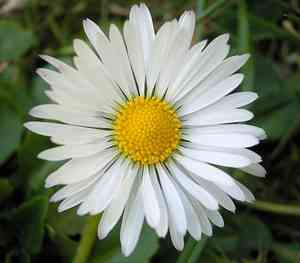
Eastern silver aster flourishes when relocated from late spring to early summer, benefiting from prime growing conditions. For best results, select a bright, adequately drained location for its new home to guarantee robust development and successful rooting.
Essential Preparations Before Relocating Eastern Silver Aster
Optimal Period for Relocating Eastern Silver Aster?
Moving eastern silver aster in late spring to early summer ensures prime root development before the intense heat of midsummer. This timing allows the perennial to firmly establish itself, benefiting from favorable growing conditions and avoiding transplant shock. Consequently, eastern silver aster can flourish with robust growth and resilience for upcoming seasons.
Required Spacing Between Eastern Silver Aster Specimens?
For optimal development, position eastern silver aster plants 18-24 inches (45-60 cm) apart. This provides ample room for expansion without overcrowding.
Ideal Soil Mixture for Eastern Silver Aster Relocation?
Prepare soil that drains well, is sandy, and slightly acidic. Incorporate a balanced slow-release fertilizer to give eastern silver aster a strong start.
Preferred New Location for Your Eastern Silver Aster?
Select a site that receives full sun, meaning at least 6 hours of direct sunlight daily. Eastern silver aster flourishes in bright locations!
Equipment Needed Before Relocating Eastern Silver Aster?
Gardening Gloves
To safeguard your hands while handling soil and plants.
Shovel or Spade
For excavating the new planting site and lifting the plant.
Garden Fork
To loosen the soil surrounding the plant slated for relocation.
Watering Can or Hose
For hydrating the plant before and after its move.
Compost or Organic Matter
To enrich the soil at the new planting spot.
Mulch
To aid in retaining soil moisture and safeguarding the plant's root system.
How to Extract Eastern Silver Aster from the Ground?
How to Extract Eastern Silver Aster from the Ground?
From Ground: First, moisten the eastern silver aster plant to dampen the soil. Next, dig a wide trench around the plant using a shovel or spade, ensuring the plant's root ball remains intact. Carefully work the spade beneath the root ball to lift the plant from its original position.From Pot: Thoroughly water the eastern silver aster plant a few hours prior to relocation. Gently tilt the pot sideways and slide the plant out, taking care not to harm the roots. If the plant is root-bound, carefully loosen the roots with your fingers.From Seedling Tray: Lightly water the eastern silver aster seedlings to facilitate removal. Use a small garden fork or your fingers to carefully lift the seedlings by their root ball, ensuring you handle them by the leaves, not the stems.
Step-by-Step Guide for Relocating Eastern Silver Aster
Prepare the New Planting Site
Excavate a hole in the new planting area that is twice as wide and equally deep as the eastern silver aster's root ball. Blend compost or organic matter into the excavated soil.
Remove the Plant from Its Original Spot
Follow the appropriate method from the removal process section based on whether the plant is in the ground, a container, or a seedling tray.
Transfer the Plant
Position the eastern silver aster in the new hole at the same depth it was growing previously. Backfill with the amended soil, gently firming it around the roots to eliminate air pockets.
Water the Plant
Thoroughly water the eastern silver aster to help settle the soil and establish contact between the roots and the new soil.
Apply Mulch
Spread a 2-3 inch layer of mulch around the base of the eastern silver aster, keeping it a few inches away from the stem to prevent rot. Mulch aids in moisture retention and protects the plant's roots.
Post-Relocation Care for Eastern Silver Aster
Watering
Maintain consistent moisture in the soil around the eastern silver aster, avoiding sogginess, for the initial weeks after relocation to encourage strong root development.
Pruning
Remove any damaged or dead foliage to lessen plant stress and promote new growth.
Protection
If the weather is unexpectedly harsh, provide temporary shade or wind protection until the eastern silver aster adapts to its new environment.
Addressing Common Issues with Eastern Silver Aster Relocation.
When is the optimal time to relocate eastern silver aster?
Late spring to early summer is ideal for relocating eastern silver aster for best growth.
What spacing should I maintain between eastern silver aster plants?
Keep 18-24 inches (45-60 cm) between eastern silver aster plants to foster healthy development.
What type of soil is best for relocating eastern silver aster?
Utilize well-draining, fertile soil to encourage the successful establishment of eastern silver aster.
How deep should I plant eastern silver aster?
Plant eastern silver aster at its previous growing depth to avoid stressing the roots.
How frequently should I water eastern silver aster after relocation?
Water eastern silver aster thoroughly post-relocation and keep the soil consistently moist for the initial weeks.
Is it necessary to trim eastern silver aster before relocation?
Trimming any damaged or excessively long roots helps eastern silver aster establish more quickly in its new spot.
What if eastern silver aster shows signs of transplant shock?
Provide extra water, shade, and refrain from fertilizing until eastern silver aster recovers from transplant shock.
Should I fertilize eastern silver aster immediately after relocation?
Avoid fertilizing eastern silver aster right after relocation; wait until it exhibits signs of new growth.
How much sunlight does eastern silver aster require after relocation?
Eastern silver aster thrives in full sun to partial shade, so ensure it receives adequate light post-relocation.
Can I relocate eastern silver aster during its flowering stage?
Avoid relocating eastern silver aster while it's blooming, as this can cause stress and impede growth.



