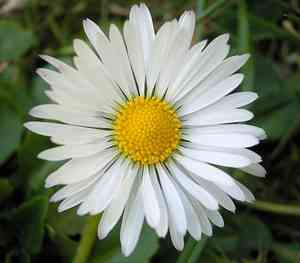
Eastern silver aster(Symphyotrichum concolor)

Eastern silver aster (Symphyotrichum concolor)

Also known as: Eastern Silver Aster, Eastern Silvery Aster

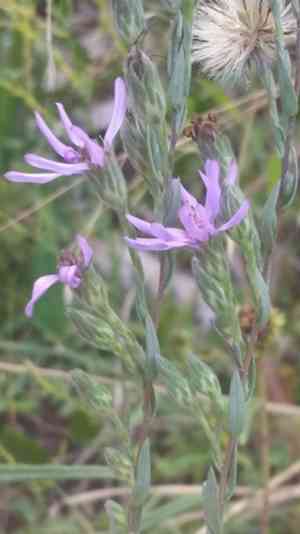
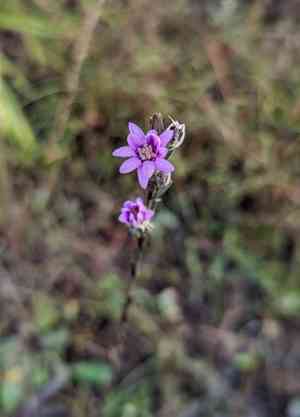
The eastern silver aster (Symphyotrichum concolor) is distinguished by its small, daisy-like flowers featuring purple to lavender petals and yellow centers. Its silvery, hairy stems and lance-shaped leaves provide a unique sheen. This perennial plant flourishes in well-drained sandy soils, often found in open woods, prairies, and along roadsides. It favors full sun to partial shade and showcases a robust fibrous root system, which aids in its resilience and ability to spread across suitable environments. It typically blooms from late summer to fall and is native to the eastern United States, spanning from New York to Florida and westward to Texas.

Attributes of Eastern silver aster

Lifespan
Perennial
Plant Type
Herb
Plant Height
90 cm
Spread
60 cm
Leaf Color
Green Silver Gray
Flower Size
0.5 to 1 inch
Flower Color
Purple

ForwardPlant - Identify plants with a snap

Identify and diagnose plants, get toxicity alerts, and explore safety guides for all types of fungi.

Try for Free

Images of Eastern silver aster

Eastern silver aster(Symphyotrichum concolor)

Quickly Identify Eastern silver aster

1
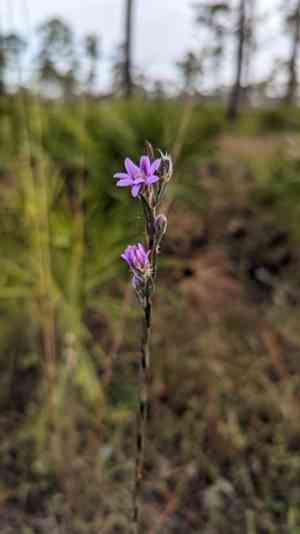
Daisy-like flowers with narrow, lavender to violet ray florets and yellow disc florets.
2
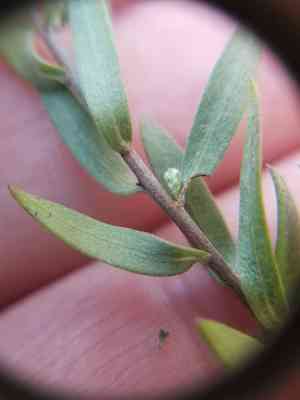
Linear leaves, 1-4 inches (2.5-10 cm) long, clasping stem with fine hairs.
3
Slender stem, green to reddish, up to 3 feet (90 cm) tall, with branched pattern.
4
Fruit is a small achene with feathery or bristly pappus, less than 0.1 inches (2.5 mm).
5
Smooth-textured achenes clustered in light brown to straw-yellow seed heads.

Scientific Classification of Eastern silver aster

Phylum
Vascular plants
Class
Dicotyledons
Order
Asterales
Family
Daisy
Genus
Asters
Species
Eastern silver aster

Planting and Growing of Eastern silver aster

Care Difficulty
Easy
Watering Schedule
Every 2 days
Sunlight Requirements
Full sun
Sunshine Duration
6-10 hours
Ideal Temperature
60-75℉
Soil Type
Potting Mix, Peat Mix
Soil pH
6.5-7.5
Fertilizer Type
Balanced
Pruning Season
Spring, Summer
Pruning Area
Branches, Leaves
Pruning Frequency
2 times a year
Repotting Season
Spring
Pot Type
Plastic, Ceramic

water icon How to Water Eastern silver aster?

For Symphyotrichum concolor, aim to provide about 500 ml of water each time. Ensure the soil is moist but not constantly soaked, allowing it to dry slightly between waterings. This mimics its natural habitat, avoiding root rot while maintaining optimal hydration.
What are the symptoms of an underwatered Eastern silver aster? ›
What should I do if my Eastern silver aster is not getting enough water? ›
What are the symptoms of an overwatered Eastern silver aster? ›
How to save an overwatered Eastern silver aster? ›

sunlight icon What Are the Sunlight Requirements for Eastern silver aster?

Sunlight Requirements: Full sun, Partial sun
Duration of light: 4 to 6 hours
Symphyotrichum concolor prefers full sun for most of the day. Optimal light exposure encourages vigorous blooming and maintains structural integrity, leading to a resilient, aesthetically pleasing plant.
What is the ideal light condition for Symphyotrichum concolor? ›
What are the solutions to provide ideal lighting? ›
What benefits does this ideal light condition provide? ›

temperature icon What Is the Ideal Temperature Range for Eastern silver aster?

Ideal Temperature: 60 ~ 75℉
Symphyotrichum concolor, commonly known as Eastern Silvery Aster, thrives within an ideal temperature range between 60°F and 75°F. This range allows optimal growth and flowering, as these temperatures simulate the plant's natural habitat conditions. Maintaining consistent temperatures within this range ensures healthy physiological processes and promotes vibrant blooming.

soil icon What Soil is Best for Eastern silver aster?

Soil type: Sandy soil, Loam, Sandy loam
Soil PH: 6.5 ~ 7.5
Symphyotrichum concolor thrives in well-drained soil, preventing root rot and ensuring healthy plant growth. Good drainage facilitates root oxygenation and nutrient absorption, essential for vibrant blooms. While Symphyotrichum concolor isn't particularly demanding, moderate nutrient levels in the soil promote robust growth and enhance flowering. Balanced nutrition supports the plant's overall vigor and resilience to pests. Soil with adequate moisture retention but not overly saturated is ideal for Symphyotrichum concolor. This balance ensures the plant has continuous access to water, minimizing stress and promoting sustained flowering.

fertilize icon How to Fertilize Eastern silver aster?

Fertilizer type: Balanced
Symphyotrichum concolor benefits from a balanced fertilizer approach. Apply a liquid fertilizer at half the recommended label strength for flowering plants during the growing season to ensure it receives adequate nutrients without overburdening the soil.

prune icon How to Prune Eastern silver aster?

Pruning Time: Spring, Autumn
Start by identifying dead, damaged, or leggy stems. These are the targets for removal, as they consume resources without contributing to the plant's overall health or aesthetics. Look for any stems that are crossing and causing entanglement. Make cuts just above a leaf node or outward-facing bud. This encourages new growth in the desired direction and helps maintain an attractive shape. Avoid cutting too close to buds, as this can hinder their development. Thin out the interior branches to allow light and air to penetrate the plant. This reduces the risk of fungal infections and promotes healthy blooming. While shaping, ensure the plant retains a natural appearance rather than an overly uniform shape. After pruning, water the plant well and keep an eye out for any signs of stress. Add mulch around the base to retain moisture and protect the roots. Check for new growth and adjust care routines as the plant responds to pruning. More About Pruning Techniques→

propagate icon How to Propagate Eastern silver aster plant?

Propagate Time: Early spring, Late spring, Early autumn
1
Collect seeds from mature flowers and clean them thoroughly. Use seed trays with a well-draining potting mix, and sow the seeds about 1/4 inch deep. Keep them moist but not waterlogged until germination.
2
Cut healthy stems that are 4-6 inches long using sterilized pruning shears. Remove the lower leaves, dip the cut ends in rooting hormone, and plant them in a moist potting mix. Place the cuttings in a warm, humid environment.
3
Choose a mature Symphyotrichum concolor and carefully dig up the whole plant. Divide the roots into smaller sections, ensuring each division has at least one healthy stem. Replant divisions into prepared soil and water thoroughly.
More About Propagating Techniques→

repot icon How to Repot Eastern silver aster plant?

Repotting frequency: Every 2-3 years
1
Repotting Symphyotrichum concolor should occur when you notice roots growing out of the drainage holes or the soil becoming compacted. These signs indicate that the root system has outgrown its current pot and needs more space to thrive.
2
Select a pot that is one size larger than the current one. This ensures that the plant has enough space to grow without being overwhelmed by excess soil. A pot with drainage holes is crucial to prevent waterlogging, which can lead to root rot.
3
Use a well-draining potting mix to ensure aeration and prevent water retention. This type of soil mix helps maintain optimal moisture levels, promoting healthy root growth and preventing root rot, a common issue with poor drainage.

ForwardPlant - Identify plants with a snap

Find the best spots for them to optimize their health, simply using your phone.

Try for Free