How to Transplant Pride of big pine?
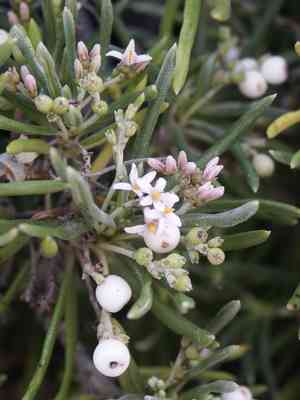
Pride of big pine flourishes optimally when relocated as late winter shifts into early spring, due to its requirement for gradual adjustment. Select a bright, adequately drained spot; contemplate moderate irrigation to aid its seamless establishment.
What Preparations are Needed Before Transplanting Pride Of Big Pine?
What is the Ideal Time for Transplanting Pride Of Big Pine?
Moving pride of big pine during early spring or the colder period from early to late winter promotes strong root growth as the plant emerges from dormancy. These times minimize stress from extreme temperatures, boosting survival rates and establishing a solid base for vigorous development. This timing optimizes establishment before summer's intense heat.
How Much Space Should You Leave Between Pride Of Big Pine Plants?
For optimal development, provide pride of big pine ample room by placing each plant 12-18 inches (30-45 cm) apart. This ensures they have sufficient space to expand and access nutrients effectively.
What is the Best Soil Mix for Pride Of Big Pine Transplanting?
Prepare soil that drains well, preferably sandy or loamy. Enhance the soil with a balanced base fertilizer to help pride of big pine flourish. Incorporate a slow-release granular fertilizer before planting to supply essential nutrients.
Where Should You Relocate Your Pride Of Big Pine?
Pride of big pine thrives in sunlight! Select a sunny location where it can receive full exposure, approximately 6-8 hours of direct sunlight daily. This guarantees optimal growth and flowering.
What Equipments Should You Prepare Before Transplantation Pride Of Big Pine?
Gardening Gloves
To safeguard your hands while handling soil and the plant.
Shovel or Spade
For excavating the planting hole and digging around the plant for removal.
Garden Trowel
Useful for smaller, more precise digging tasks.
Watering Can or Hose
To thoroughly hydrate the plant and its new spot.
Compost or Organic Matter
To enrich the soil at the new planting site.
Mulch
To maintain soil moisture and inhibit weed growth around the plant.
How Do You Remove Pride Of Big Pine from the Soil?
How Do You Remove Pride Of Big Pine from the Soil?
From Ground: First, moisten the pride of big pine plant to dampen the soil. Then, dig a wide trench around the plant using a shovel or spade, ensuring the plant's root ball remains intact. Carefully work the spade beneath the root ball to lift the plant from its original spot.From Pot: Begin by gently tilting the pot on its side and tapping the bottom to loosen the soil. Slowly slide the pride of big pine plant out of the pot, keeping the root ball whole. If the plant is root-bound, gently separate the roots to encourage outward growth.From Seedling Tray: Use a garden trowel to carefully lift the seedling, taking care to keep as much of the root system intact as possible. If seedlings are close, be extra cautious not to harm nearby plants.
Step-by-Step Guide for Transplanting Pride Of Big Pine
Preparation
Water the pride of big pine thoroughly the day prior to transplanting to help lessen transplant shock. Prepare the new planting hole in advance, ensuring it is large enough to comfortably accommodate the root ball.
Removal
Carefully extract the pride of big pine from its original location following the appropriate removal method discussed above.
Transplanting
Place the pride of big pine in the prepared planting hole, ensuring it is positioned at the same depth as it was in its initial location. Fill the hole with soil, pressing gently to remove air pockets. Water the plant immediately after transplanting to help settle the soil.
Add Mulch
Apply a layer of mulch around the base of the plant to retain moisture and suppress weeds.
How Do You Care For Pride Of Big Pine After Transplanting?
Watering
Keep the soil around the pride of big pine consistently moist, but not waterlogged, for the initial few weeks after transplanting to help establish strong roots.
Observation
Regularly inspect the plant for signs of stress, such as wilting or yellowing foliage, and adjust care as needed.
Support
If the pride of big pine is tall or top-heavy, consider using a stake or plant support to help it remain upright while the roots establish.
Troubleshooting Common Issues with Pride Of Big Pine Transplantation.
When is the best time to transplant pride of big pine?
Early spring or from early winter to late winter offers the most favorable conditions.
How far apart should I space pride of big pine when transplanting?
Ensure a distance of 12-18 inches (30-45 cm) between each plant for healthy development.
What soil type is ideal for pride of big pine?
A well-drained, sandy or loamy soil is most suitable for transplanting pride of big pine.
How deep should I dig the hole for pride of big pine?
Excavate a hole twice as wide and as deep as the root ball of pride of big pine.
What should I do if pride of big pine wilts after transplanting?
Water it thoroughly and provide partial shade until it recovers.
How much water does pride of big pine need post-transplanting?
Water deeply once or twice weekly, ensuring the soil stays moist but not saturated.
Should I fertilize pride of big pine immediately after transplanting?
Avoid immediate fertilization. Wait 4-6 weeks for roots to establish first.
Why are leaves of pride of big pine turning yellow after transplant?
Yellowing may indicate transplant shock. Ensure proper watering and avoid initial over-fertilization.
Can I transplant pride of big pine in the summer?
Ideally, avoid summer. Early spring or early to late winter is less stressful for pride of big pine.
How can I minimize transplant shock for pride of big pine?
Water consistently, prevent root damage, and provide adequate spacing and mulch to reduce shock.



