How to Propagate Pride of big pine?
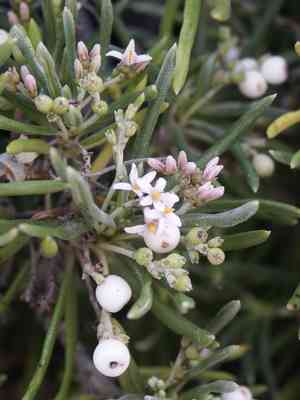
Big pine's pride is a distinctive coastal variety that can be successfully multiplied via cuttings. For optimal growth, confirm that the cutting originates from a robust, established specimen. Diligently regulate the hydration level and supply ample light to encourage root formation. Frequent misting can assist in preserving the cuttings' moisture, especially in arid conditions. Employ a porous, sandy substrate blend to prevent waterlogging, which could result in root decay.
When Is the Optimal Time to Propagate Pride Of Big Pine?
Propagation Method
Cutting
Propagation Period
Autumn,Winter
What Equipment Is Used in Pride Of Big Pine Propagation?
Sharp Pruning Shears
These are crucial for making precise cuts from pride of big pine. Sharp blades ensure the cut is clean, minimizing tissue damage that could hinder rooting. This precision is vital for preventing pathogen introduction and encouraging quicker healing and root formation.
Rooting Hormone Powder or Gel
This product encourages root development after the cutting process. Applying a rooting hormone to the base of cuttings enhances the likelihood of successful root growth, which is especially important for pride of big pine to ensure vigorous development and establishment.
Sterile Potting Mix
A clean, well-draining growing medium, such as a blend of peat, perlite, and vermiculite, is perfect for pride of big pine. The mix's sterility helps ward off disease and fungal attacks while the plant's new roots are forming, which is critical for the delicate state of fresh cuttings.
Humidity Dome or Plastic Wrap
Maintaining high ambient humidity around the cutting is essential for preventing moisture loss until new roots can absorb water effectively. This tool helps create a microenvironment with increased moisture, mimicking the humid conditions pride of big pine prefers during the initial rooting phase.
Heat Mat
Providing a gentle heat source beneath the rooting medium can significantly boost the rooting process for pride of big pine. The warmth supports metabolic activities in the cut stem, aiding in faster root initiation and growth. This is particularly important in cooler climates or during colder months.
How to Propagate Pride Of Big Pine?
Propagation Difficulty
Moderately Difficult
How to Care for Your Newly Propagated Pride Of Big Pine?
How to Care for Your Newly Propagated Pride Of Big Pine?
Once pride of big pine has established roots and new growth, remove any humidity cover and gradually introduce the plant to less humid conditions. Continue to water regularly, but avoid overwatering to prevent root rot. Pride of big pine thrives in full to partial sunlight, so slowly expose it to more direct light. Fertilize lightly during the growing season with a balanced fertilizer to support healthy development.
Common Errors to Avoid When Propagating Pride Of Big Pine
Overwatering
Excessive watering can lead to root rot, which is harmful to pride of big pine's health. This species thrives in well-draining soils, and too much moisture can reduce oxygen availability to the roots, causing decay.
Using non-sterile tools
Propagating pride of big pine with unsterilized tools can introduce pathogens, leading to disease outbreaks. This issue can significantly impede growth and potentially kill the propagules.
Deep planting
Planting pride of big pine's cuttings or seeds too deeply can hinder proper germination and root emergence. This can stunt the plant's growth or cause the propagules to rot before they even begin to grow.
Advice For Propagating Pride Of Big Pine
Appropriate soil choice
Utilize a well-draining, sandy soil mix to encourage effective root development for pride of big pine. This prevents waterlogging and improves aeration, crucial factors for the plant's root health.
Moisture management
Maintain consistent but moderate watering to keep pride of big pine's soil moist but not saturated. Ensuring the soil is damp (not waterlogged) will significantly impact the success rate of propagation.
Shallow planting
Place pride of big pine's cuttings or seeds superficially in the soil. This maximizes exposure to essential air and light, which are vital for stimulating growth and preventing rot.



