How to Transplant Foxtail prickle grass?
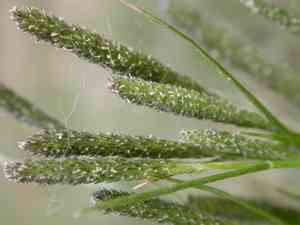
Foxtail prickle grass flourishes when relocated between early and late spring, or during the initial part of winter, owing to favorable soil warmth. Choose a bright, adequately drained spot for optimal outcomes. Verify that the ground is damp, yet not oversaturated, throughout the transplanting process.
What Preparations are Needed Before Transplanting Foxtail Prickle Grass?
What is the Ideal Time for Transplanting Foxtail Prickle Grass?
The best period for relocating foxtail prickle grass, an annual, spans from early to late spring or early winter. This timing provides suitable soil temperatures and moisture levels, promoting robust root development. Moving the plant during these seasons also allows foxtail prickle grass to maximize its growth cycle, flowering and producing seeds effectively within the growing period.
How Much Space Should You Leave Between Foxtail Prickle Grass Plants?
Position your foxtail prickle grass plants 12-18 inches (30-45 cm) apart. This spacing ensures ample room for growth without crowding, facilitating good air circulation and healthier plants.
What is the Best Soil Mix for Foxtail Prickle Grass Transplanting?
Prepare well-draining soil enriched with compost or a balanced base fertilizer. Foxtail prickle grass prefers slightly sandy or loamy soil, which guarantees proper water drainage and nutrient availability.
Where Should You Relocate Your Foxtail Prickle Grass?
Select a sunny location as foxtail prickle grass thrives in full sunlight. Aim for a spot that receives at least 6-8 hours of daily sun to support vigorous growth.
What Equipments Should You Prepare Before Transplantation Foxtail Prickle Grass?
Gardening Gloves
To safeguard your hands while handling soil and plants.
Shovel or Spade
For excavating the plant from its original spot.
Trowel
For precise and small-scale digging tasks.
Watering Can or Hose
To hydrate the plant before and after its relocation.
Wheelbarrow (optional)
To move the plant and soil efficiently.
How Do You Remove Foxtail Prickle Grass from the Soil?
How Do You Remove Foxtail Prickle Grass from the Soil?
From Ground: First, moisten the foxtail prickle grass plant by watering the soil. Next, dig a wide trench around the plant using a shovel or spade, ensuring the plant's root ball remains intact. Carefully work the spade beneath the root ball to lift the plant from its initial position.From Pot: Water the soil in the pot thoroughly. Gently tap the pot's sides to loosen the soil, then invert the pot, holding the plant carefully by its base. Tap the pot's bottom to release the root ball. Carefully extract the plant.From Seedling Tray: Water the seedling tray until the soil is damp. Use a small tool like a trowel or even a spoon to gently lift the seedlings from the tray without disturbing their roots.
Step-by-Step Guide for Transplanting Foxtail Prickle Grass
Site Selection
Choose a spot with suitable conditions for your foxtail prickle grass plant to flourish.
Prepare the Site
Dig a hole that is twice as wide and the same depth as the root ball of your foxtail prickle grass plant. This will provide ample space for the roots to spread and grow.
Add Organic Material
If needed, incorporate some compost or other organic matter into the excavated soil to enhance its fertility and structure.
Place the Plant
Position the foxtail prickle grass plant in the center of the hole. Ensure that the top of the root ball is level with the surrounding ground.
Backfill the Hole
Gently refill the hole with the excavated soil, pressing it down firmly but gently to eliminate air pockets.
Water the Plant
Thoroughly water the plant after placing it in its new location. Ensure the soil settles properly around the root ball.
How Do You Care For Foxtail Prickle Grass After Transplanting?
Watering
Keep the soil around the foxtail prickle grass consistently moist, but not waterlogged, for the initial weeks post-transplant to aid in strong root establishment.
Mulching
Apply a layer of mulch around the plant's base to retain moisture and regulate soil temperature.
Monitoring
Regularly inspect the plant for indications of stress or disease, such as wilting or yellowing leaves, and address any issues promptly.
Support
If the foxtail prickle grass plant appears unstable, stake it or provide some support until it develops stronger roots.
Troubleshooting Common Issues with Foxtail Prickle Grass Transplantation.
When is the best time to transplant foxtail prickle grass?
Relocating foxtail prickle grass is ideal from early spring to late spring or early winter.
How much space should I leave between foxtail prickle grasss?
Space foxtail prickle grass plants 12-18 inches (30-45 cm) apart for optimal growth.
What type of soil suits foxtail prickle grass best?
Foxtail prickle grass thrives in well-draining soil with a slightly acidic to neutral pH.
How do I prepare the soil for transplanting foxtail prickle grass?
Ensure the soil is loose and free from large clumps for easy root penetration.
Should I water foxtail prickle grass immediately after transplanting?
Yes, water foxtail prickle grass thoroughly after transplanting to help settle the soil around the roots.
How deep should I plant foxtail prickle grass?
Plant foxtail prickle grass at the same depth it was growing originally to avoid stress.
How do I handle foxtail prickle grass's roots during transplanting?
Be gentle to avoid damaging the roots; any breakage can hinder growth.
What is the ideal climate for transplanting foxtail prickle grass?
Foxtail prickle grass prefers cool to moderately warm temperatures, ideal for spring or early winter.
Should I fertilize foxtail prickle grass after transplanting?
Use a balanced fertilizer sparingly after transplanting to support initial growth.
How often should I water foxtail prickle grass after transplanting?
Water regularly until established but ensure soil is not waterlogged to prevent root rot.



