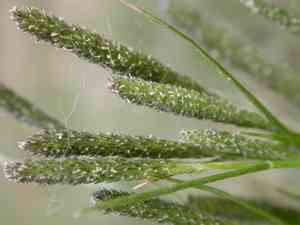
Foxtail prickle grass (Sporobolus alopecuroides)
Also known as: Foxtail Sporobolus, Drop seed grass
Fountain Grass (Pennisetum alopecuroides) is an elegant grass that grows in tufted clumps with slender, arching leaves. It thrives in open, sunny areas and exhibits a unique, fountain-like shape. Throughout the seasons, it produces delicate flower spikes on thin stems that turn golden in the fall, adding seasonal beauty to the landscape.
In This Article
Attributes of Foxtail prickle grass
Lifespan
Annual
Plant Type
Grass
Plant Height
30 - 100 cm
Spread
Varies, generally narrow
Leaf Color
Green
Flower Size
Panicles up to 15 cm long
Flower Color
Brown or purplish
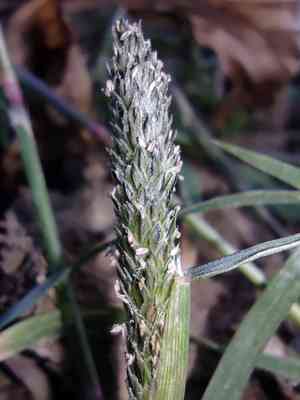
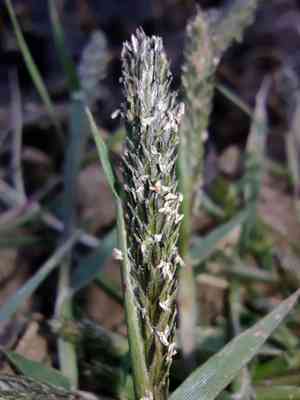
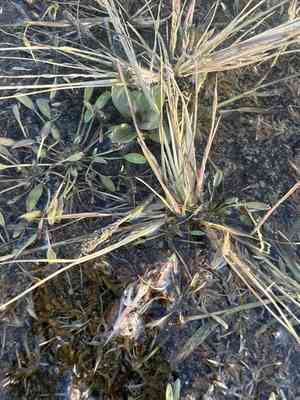
Images of Foxtail prickle grass
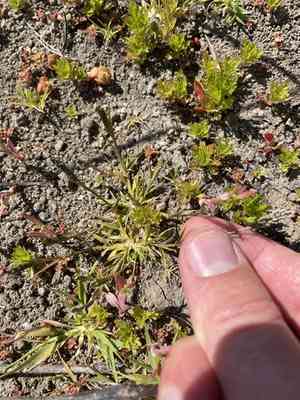
Quickly Identify Foxtail prickle grass
1
This grass can be identified by its dense, foxtail-like panicles and erect, slender stems. The leaves are narrow and often have a rough texture.
Scientific Classification of Foxtail prickle grass
Phylum
Vascular plants
Class
Monocotyledons
Order
Poales
Family
Grass
Genus
Dropseeds
Species
Foxtail prickle grass
Planting and Growing of Foxtail prickle grass
Care Difficulty
Easy
Watering Schedule
Every 2 days
Sunlight Requirements
Full sun
Sunshine Duration
6-10 hours
Ideal Temperature
65-75℉
Soil Type
Potting Mix, Peat Mix
Soil pH
6.5-7.5
Fertilizer Type
Balanced
Pruning Season
Spring, Summer
Pruning Area
Branches, Leaves
Pruning Frequency
2 times a year
Repotting Season
Spring
Pot Type
Plastic, Ceramic
 How to Water Foxtail prickle grass?
For Sporobolus alopecuroides, water deeply to ensure the soil is thoroughly moistened, but avoid waterlogging. Use approximately 500 ml per watering session, ensuring it seeps through the root zone without pooling on the surface.
What are the symptoms of an underwatered Foxtail prickle grass?
›
What should I do if my Foxtail prickle grass is not getting enough water?
›
What are the symptoms of an overwatered Foxtail prickle grass?
›
How to save an overwatered Foxtail prickle grass?
›
 What Are the Sunlight Requirements for Foxtail prickle grass?
Sporobolus alopecuroides thrives in an environment that provides full sun to partial sun exposure. Ideal light conditions ensure robust photosynthesis, vibrant green foliage, and resistance to environmental stressors.
How much light does Sporobolus alopecuroides prefer?
›
What is the solution to achieving ideal light conditions for Sporobolus alopecuroides?
›
What benefits come from Sporobolus alopecuroides receiving ideal light?
›
 What Is the Ideal Temperature Range for Foxtail prickle grass?
The ideal temperature range for growing Sporobolus alopecuroides is between 65°F and 75°F. Within these temperatures, the plant can effectively perform photosynthesis and maintain healthy growth patterns. This range is optimal for enzyme activity, helping the plant to absorb nutrients efficiently.
 What Soil is Best for Foxtail prickle grass?
Sporobolus alopecuroides thrives in well-draining soils to prevent waterlogging, which could otherwise rot its roots. This type of soil ensures that water reaches the roots, while excess moisture can drain away, promoting healthy growth and preventing fungal infections. Rich organic matter in the soil provides essential nutrients that support the robust growth of Sporobolus alopecuroides. This nutrient abundance contributes to vibrant foliage and strong root development, ensuring the plant can withstand environmental stresses more effectively. The soil should retain adequate moisture without becoming soggy. Sufficient moisture retention helps the plant access water during dry spells, ensuring consistent hydration availability vital for Sporobolus alopecuroides' optimal health and growth.
 How to Fertilize Foxtail prickle grass?
For Sporobolus alopecuroides, fertilizer should be applied sparingly, as it's adapted to nutrient-poor soils. Use a balanced liquid fertilizer, diluted to half strength, approximately 1-2 tablespoons per gallon, to avoid nutrient burn.
 How to Prune Foxtail prickle grass?
Begin by removing any dead or damaged leaves and stalks, cutting them close to the base. Trim back about one-third of the plant’s height if necessary to encourage bushier growth. Be mindful to preserve the natural aesthetics of the grass while ensuring good air circulation. Familiarize yourself with the growth habits of Sporobolus alopecuroides. It tends to spread in clumps, so ensure you are pruning to allow even growth across all parts of the plant. This encourages a tidy and uniform appearance throughout the growing season.
More About Pruning Techniques→
 How to Propagate Foxtail prickle grass plant?
1
Start by soaking the Sporobolus alopecuroides seeds overnight in warm water to soften the seed coat. This will help to increase the germination rate. After soaking, dry them off using a clean paper towel before placing them in the seed tray.
2
Sow the seeds thinly across the surface of the tray filled with a mix of peat and sand. Cover them lightly with a thin layer of soil. Ensure the seeds are not buried too deeply to allow easy sprouting.
3
Carefully dig up mature clumps of Sporobolus alopecuroides, ensuring the roots are not damaged. Gently separate the plant into smaller sections using your hands or a clean knife, ensuring each section has some roots attached.
 How to Repot Foxtail prickle grass plant?
1
Repotting Sporobolus alopecuroides needs signaling. When roots emerge from drainage holes or growth slows, it's time. A pot-bound plant struggles to thrive.
2
Select a container slightly larger than the current one, with ample drainage holes. A well-chosen pot supports healthy growth, preventing waterlogging and root rot.
3
Opt for a well-draining sandy loam. This type of soil promotes aeration and prevents water retention, crucial for Sporobolus alopecuroides to flourish.



