How to Transplant West indian pinkroot?
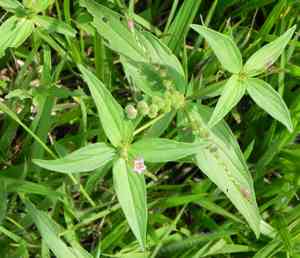
The optimal period for relocating west indian pinkroot is during the revitalizing warmth of mid to late spring, which guarantees vigorous development. Select a luminous, well-draining location and amend the earth for superior outcomes. Careful manipulation aids in successful integration.
Preparations Required Before Relocating West Indian Pinkroot?
Optimal Period for Transplanting West Indian Pinkroot?
The prime window for relocating west indian pinkroot is during the gentle warmth of late spring. This timeframe provides mild temperatures and consistent weather, allowing roots to establish without harsh environmental stress. Moving west indian pinkroot then benefits from timely rainfall and soft sunlight, promoting vigorous development. It's the season when natural cycles support new beginnings, making it ideal for west indian pinkroot to thrive.
Recommended Spacing Between West Indian Pinkroot Plants?
Allow ample room for your west indian pinkroot to expand! Aim to position them approximately 12-18 inches apart (30-46 cm). This spacing enables their roots to spread and leaves to absorb sunlight without crowding adjacent plants.
Ideal Soil Blend for West Indian Pinkroot Transplantation?
For flourishing west indian pinkroot, combine nutrient-rich, well-draining soil with a mild, all-purpose fertilizer to provide a nourishing start. Loosen the soil to a depth of about 12 inches (30 cm) to accommodate their new roots!
Preferred Location for Relocating Your West Indian Pinkroot?
Select a sunny location for your west indian pinkroot where they can receive at least 6 hours of daily sunlight. Some afternoon shade is acceptable to shield them during the hottest part of the day â a balanced environment helps them flourish!
Equipment to Prepare Before Transplanting West Indian Pinkroot?
Gardening Gloves
To safeguard your hands while handling soil and plants.
Hand Trowel
For excavating and carefully lifting the plant's root ball.
Watering Can or Hose
To hydrate the plant both before and after the relocation process.
Garden Spade or Shovel
For digging the new planting hole and extracting the plant if it's in the ground.
Pruning Shears
To trim any dead or excessive growth prior to transplanting.
Measuring Tape
To ensure correct spacing between plants during transplantation.
Bucket or Tub
To transport the plant and contain soil when removing it from containers or trays.
How to Extract West Indian Pinkroot from the Soil?
How to Extract West Indian Pinkroot from the Soil?
From Ground: First, water the west indian pinkroot plant to soften the surrounding soil. Use a shovel or spade to carefully dig a wide circle around the plant, ensuring the root ball remains intact. Slide the spade underneath the root ball to lift the west indian pinkroot plant from its current spot.From Pot: Hydrate the plant to make the soil moist and pliable. Tilt the pot sideways and tap its sides and bottom to loosen the soil. Gently pull out the west indian pinkroot carefully by its base, ensuring the root ball is supported.From Seedling Tray: Water the seedlings to prevent the soil from being dry. Use a hand trowel or a similar tool to carefully separate individual west indian pinkroot seedlings. Handle them by their leaves rather than their stems to prevent damage.
Step-by-Step Guide for Transplanting West Indian Pinkroot
Watering
Ensure the west indian pinkroot has been thoroughly watered several hours before transplanting to guarantee adequate soil and root moisture.
Hole Preparation
Excavate a hole in the ground that is twice as wide and equally deep as the root ball of the west indian pinkroot.
Root Separation
If the roots of west indian pinkroot are tightly packed or circling, gently untangle them with your fingers to encourage outward growth.
Plant Positioning
Place the west indian pinkroot in the center of the hole, making sure the top of the root ball is level with the surrounding soil surface.
Backfilling
Carefully refill the hole with the excavated soil, lightly firming it around the plant to eliminate air pockets.
Watering After Planting
Immediately water the west indian pinkroot thoroughly to settle the soil around the roots and remove any remaining air gaps.
Post-Transplantation Care for West Indian Pinkroot
Monitoring
Regularly check the west indian pinkroot for indications of stress, such as wilting or discolored leaves, and address any issues promptly.
Watering
Maintain consistent moisture in the soil around the west indian pinkroot, avoiding waterlogging, for the initial weeks after transplanting to promote root establishment.
Mulching
Apply a layer of organic mulch around the base of the west indian pinkroot, keeping it away from the stem, to help retain soil moisture and regulate temperature.
Support
If west indian pinkroot is a taller variety or appears unstable, provide stake support to keep it upright and protect it from strong winds.
Pruning
Remove any damaged or dead foliage to direct the west indian pinkroot's energy towards developing new growth and roots.
Resolving Common Issues with West Indian Pinkroot Transplantation.
When is the best time to transplant west indian pinkroot?
Aim to relocate west indian pinkroot during the pleasant period of mid to late spring, when temperatures are mild.
How far apart should I plant west indian pinkroot?
Space west indian pinkroot approximately 12-18 inches (30-45 cm) apart to provide each plant ample room to flourish.
What is the ideal soil for transplanting west indian pinkroot?
Utilize well-drained soil, rich in organic matter, to welcome west indian pinkroot into its new home.
How much should I water west indian pinkroot after transplanting?
Water generously immediately after transplant to aid root settling, then adjust to moderate as west indian pinkroot establishes.
Should I fertilize west indian pinkroot after transplanting?
Wait a few weeks before feeding west indian pinkroot; allow roots to first acclimate to their new environment.
What sun exposure does west indian pinkroot need post-transplant?
Position west indian pinkroot in a location where it can receive full to partial sunlight daily.
How do I prepare the ground before transplanting west indian pinkroot?
Cultivate the soil and enrich it with compost before introducing west indian pinkroot to its new territory.
What are the signs of transplant shock in west indian pinkroot?
If west indian pinkroot droops or its leaves yellow after transplant, it may be experiencing relocation stress.
How can I protect west indian pinkroot from pests after transplanting?
Maintain a watchful eye for unwanted visitors and treat west indian pinkroot with organic pest control if necessary.
Can west indian pinkroot withstand frost after transplanting?
Shield west indian pinkroot with mulch or a frost cloth if there's an unexpected cold snap post-transplant.



