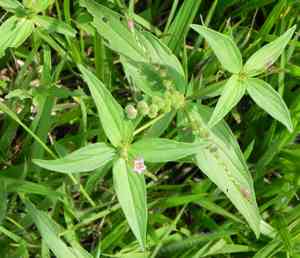
West indian pinkroot (Spigelia anthelmia)
Also known as: West indian-pink, Carolina pink
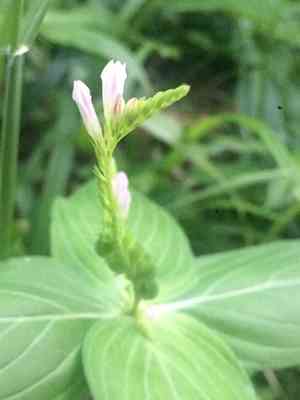
Gardeners often incorporate West Indian pinkroot into their ornamental gardens due to its eye-catching flowers, which showcase vibrant red exteriors and creamy interiors, blooming in mid-summer. Despite its toxic nature, its aesthetic appeal makes it a popular choice. In the wild, this plant is typically found in areas like wastelands, rice fields, and riverbanks, thriving at altitudes up to 600 meters.
In This Article
Attributes of West indian pinkroot
Lifespan
Annual, Perennial
Plant Type
Herb
Plant Height
15 cm to 30 cm
Spread
Not well-defined due to the plant\'s herbaceous nature
Leaf Color
Green
Flower Size
2.5 cm
Flower Color
Purple White Pink
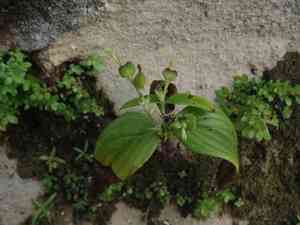
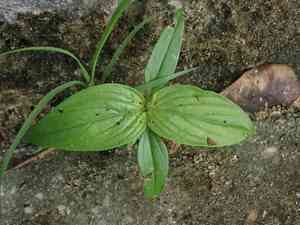
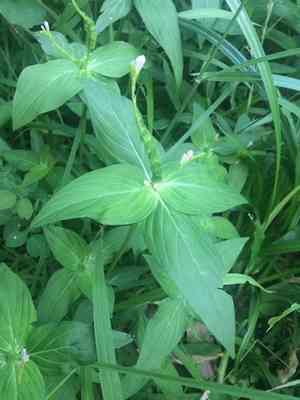
Images of West indian pinkroot
Quickly Identify West indian pinkroot
1
Spigelia anthelmia can be identified by its opposite leaves, small green flowers with a tubular shape, and seed capsules that split open when ripe. The plant typically grows in a branching habit and can be found in moist, shaded areas.
Scientific Classification of West indian pinkroot
Phylum
Vascular plants
Class
Dicotyledons
Order
Gentianales
Family
Logania
Genus
Pinkroots
Species
West indian pinkroot
Planting and Growing of West indian pinkroot
Care Difficulty
Moderate
Watering Schedule
Every 4 days
Sunlight Requirements
Full sun
Sunshine Duration
4-8 hours
Ideal Temperature
70-85℉
Soil Type
Potting Mix, Peat Mix
Soil pH
6.5-7.5
Fertilizer Type
Balanced
Pruning Season
Spring, Summer
Pruning Area
Branches, Leaves
Pruning Frequency
2 times a year
Repotting Season
Spring
Pot Type
Plastic, Terracotta
 How to Water West indian pinkroot?
The amount of water for Spigelia anthelmia should be enough to keep the soil evenly moist. Water until you see excess beginning to drain from the bottom of the pot. This ensures the deeper roots receive moisture without drowning the plant.
What are the symptoms of an underwatered West indian pinkroot?
›
What should I do if my West indian pinkroot is not getting enough water?
›
What are the symptoms of an overwatered West indian pinkroot?
›
How to save an overwatered West indian pinkroot?
›
 What Are the Sunlight Requirements for West indian pinkroot?
Spigelia anthelmia thrives best in areas with full to partial sun. Ideal light ensures optimal growth, robust health, and enhances flowering while reducing disease susceptibility.
More About Sunlight Requirements Techniques→
What type of sunlight is best for Spigelia anthelmia?
›
How can I ensure my Spigelia anthelmia receives ideal light conditions?
›
What benefits does ideal lighting bring to Spigelia anthelmia?
›
 What Is the Ideal Temperature Range for West indian pinkroot?
The ideal temperature range for Spigelia anthelmia is between 70°F and 85°F. Maintaining this range ensures optimal growth conditions, as it mimics the plant's native tropical climate. At these temperatures, the plant is able to efficiently carry out photosynthesis and other metabolic processes necessary for robust growth.
 What Soil is Best for West indian pinkroot?
Spigelia anthelmia requires well-drained soil to prevent root rot. Well-draining soil ensures that excess water doesn't accumulate, which is vital for healthy root development and overall plant vitality. This attribute helps in sustaining plant growth and prevents diseases associated with waterlogged conditions. This plant thrives in nutrient-rich soil that supports its dynamic growth patterns. The presence of essential nutrients ensures robust foliage and a healthy flowering cycle, ultimately enhancing the plant's aesthetic appeal. Nutrient abundance also improves resilience against pests and diseases. Maintaining moderate moisture levels is key to cultivating Spigelia anthelmia. Consistent moisture, without excessive wetness, supports balanced growth and enhances the plant's natural resilience. This moisture regulation is critical for preventing wilting during dry spells and avoiding root decay from overwatering.
 How to Fertilize West indian pinkroot?
For Spigelia anthelmia, it is recommended to use a balanced, water-soluble fertilizer diluted to half-strength. Typically, 1/4 cup of this diluted solution should be applied, making sure to distribute it evenly around the base of the plant to ensure proper nutrient absorption without risking fertilizer burn.
 How to Prune West indian pinkroot?
Begin by using clean, sharp scissors or pruning shears. Identify any dead or diseased stems and remove them at their base to prevent further damage to the plant. Trim overgrown shoots to maintain a manageable size and encourage a bushier shape. Make cuts at a 45-degree angle just above a leaf node to ensure healthy regrowth. Regular pruning promotes not only aesthetic appeal but also vigorous growth and increased flowering.
More About Pruning Techniques→
 How to Propagate West indian pinkroot plant?
1
Harvest seeds from mature Spigelia anthelmia plants once the seed pods have fully dried. This ensures a higher germination rate as mature seeds are more viable. Store them in a cool, dry place until ready to plant.
2
Sow the Spigelia anthelmia seeds evenly on the surface of moist potting mix in a seed tray, gently pressing them into the soil without covering them deeply. Light exposure is necessary for germination as these seeds are light-sensitive.
3
Keep the soil consistently moist but not waterlogged by using a spray bottle to mist the soil surface. Maintain a warm environment around 20-25°C (68-77°F) to promote germination, often placing the tray in indirect sunlight.
 How to Repot West indian pinkroot plant?
1
Spigelia anthelmia shows it's time for repotting when you see roots outgrowing the current pot's drainage holes, or if the plant appears stunted. Spring or summer are the best times since the plant is actively growing and can quickly adapt to the new environment.
2
Select a pot that is one size larger than the current one, offering ample drainage to prevent waterlogging. A terracotta pot is ideal as it allows excess moisture to evaporate, reducing the risk of root rot, enhancing the plant’s overall health.
3
Choose a soil mix that is light and well-draining, typically a blend intended for tropical plants. This ensures that water can move freely through the soil, preventing water retention that could harm the roots, thus promoting healthy growth.
Toxicity
Ingestion
WARNING
The judgment on toxicity and danger is for reference only. We DO NOT GUARANTEE any accuracy of such judgment. Therefore, you SHALL NOT rely on such judgment. It is IMPORTANT TO SEEK PROFESSIONAL ADVICE in advance when necessary.



