How to Transplant Caliche globemallow?
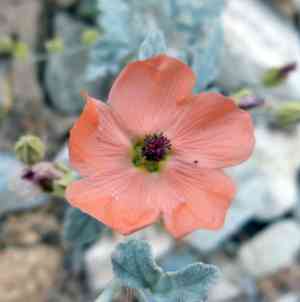
The ideal period for relocating caliche globemallow is during the revitalizing early spring, as the plant exhibits vigorous development. Select a bright, adequately drained spot to foster peak growth. Implement transplanting advice like careful irrigation to promote root integration.
What Preparations are Needed Before Transplanting Caliche Globemallow?
What is the Ideal Time for Transplanting Caliche Globemallow?
The best season for relocating caliche globemallow is early spring, when the ground is workable and temperatures are mild. Moving it during this period encourages strong root development and lessens transplant stress. Early-season relocation takes advantage of spring rains and allows ample time for the plant to adjust before summer heat.
How Much Space Should You Leave Between Caliche Globemallow Plants?
When transplanting caliche globemallow, position each plant 12-24 inches (30-60 cm) apart. This ensures sufficient room for growth and prevents excessive competition for nutrients and sunlight. Measure and mark the spacing in your garden beforehand for easier placement.
What is the Best Soil Mix for Caliche Globemallow Transplanting?
Prepare well-draining soil enriched with compost or organic matter to support caliche globemallow's development. Incorporating a balanced base fertilizer can supply essential nutrients. Aim for loose, aerated soil to foster robust root growth. Avoid dense clay or overly sandy soils.
Where Should You Relocate Your Caliche Globemallow?
Select a location that receives full sun for caliche globemallow. Ideally, it should get at least 6 to 8 hours of direct sunlight daily. This will ensure the plant flourishes and produces vibrant blooms. Also, consider nearby plants to prevent shading.
What Equipments Should You Prepare Before Transplantation Caliche Globemallow?
Gardening Gloves
To safeguard your hands while handling soil and plants.
Shovel or Spade
For excavating a hole in the ground and loosening soil around the plant.
Trowel
Useful for more precise digging and working in confined areas.
Watering Can
For hydrating the plant before and after relocation.
Organic Mulch
To aid in moisture retention and temperature regulation around the plant.
Stakes and Ties
May be necessary to support the plant post-transplant, especially if it's tall or top-heavy.
How Do You Remove Caliche Globemallow from the Soil?
How Do You Remove Caliche Globemallow from the Soil?
From Ground: First, moisten the caliche globemallow plant to dampen the soil. Then, dig a wide trench around the plant using a shovel or spade, ensuring the plant's root ball remains intact. Carefully work the spade beneath the root ball to lift the plant from its original spot.From Pot: Water the caliche globemallow plant thoroughly to help it slide out of the pot. Tap the sides and bottom of the pot to loosen the plant. Tilt the pot sideways and gently ease the plant out, supporting its base and roots.From Seedling Tray: Water the caliche globemallow seedling, then gently push the bottom of each compartment to release the seedling. Handle seedlings by their leaves, not stems, to prevent damage.
Step-by-Step Guide for Transplanting Caliche Globemallow
Prepare Planting Hole
Dig a hole twice the width and the same depth as the caliche globemallow's root ball. Loosen the soil at the sides and bottom of the hole to encourage root penetration.
Place Plant in Hole
Position the caliche globemallow in the hole so the top of the root ball is level with the surrounding soil. Ensure the plant is upright and centered.
Backfill Soil
Gently fill the hole with soil, pressing down lightly to eliminate air pockets. Water the soil halfway through filling to help it settle.
Stake if Necessary
If the caliche globemallow is tall or top-heavy, place stakes around the plant and tie it gently to provide support until the roots establish.
Apply Mulch
Spread a 2-3 inch layer of organic mulch around the base of the caliche globemallow to help retain moisture and regulate temperature.
How Do You Care For Caliche Globemallow After Transplanting?
Watering
Keep the soil around the caliche globemallow consistently moist, but not waterlogged, for the initial weeks after transplanting to aid in strong root establishment.
Mulching
Maintain the mulch layer around the plant, but keep it a few inches away from the stem to prevent rot.
Monitoring
Regularly inspect the caliche globemallow for signs of stress such as wilting or yellowing leaves and address any issues promptly.
Fertilizing
Avoid fertilizing immediately after transplanting, as the roots need time to establish. Wait a few weeks before applying a balanced, slow-release fertilizer.
Troubleshooting Common Issues with Caliche Globemallow Transplantation.
When is the best time to transplant caliche globemallow?
The optimal time to transplant caliche globemallow is early spring when the plant is just beginning to emerge.
How far apart should I space caliche globemallow plants?
Caliche globemallow plants should be spaced 12-24 inches (30-60 cm) apart for ideal growth.
What type of soil is ideal for caliche globemallow?
Caliche globemallow thrives in well-draining soil with a sandy or gravelly texture.
How do I prepare the soil for transplanting caliche globemallow?
Prepare the soil by loosening it to a depth of 12 inches (30 cm) and incorporating compost.
How do I minimize transplant shock in caliche globemallow?
Water the plant thoroughly before and after transplanting to lessen transplant shock.
Should I prune caliche globemallow before transplanting?
Pruning isn't essential, but removing damaged or dead leaves can help the plant settle in better.
What's the ideal temperature for transplanting caliche globemallow?
Transplant caliche globemallow when temperatures are between 50-70°F (10-21°C).
Do I need to fertilize caliche globemallow after transplanting?
Fertilizing isnât immediately necessary, but a balanced, slow-release fertilizer can encourage healthy growth.
How deep should I plant caliche globemallow when transplanting?
Plant caliche globemallow at the same depth it was growing before to prevent stress.
How do I care for caliche globemallow after transplanting?
Water regularly, ensure soil drainage, and protect from harsh weather to help caliche globemallow establish roots.



