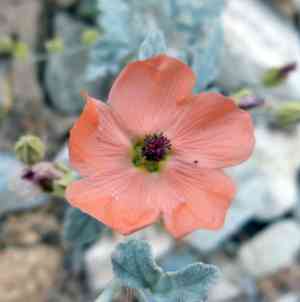
Caliche globemallow (Sphaeralcea laxa)
Also known as: None
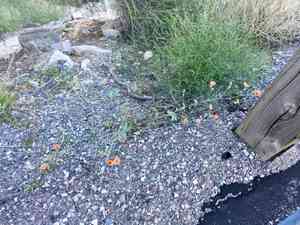
Desert globemallow, a hardy perennial, features velvety, heart-shaped leaves and clusters of delicate, five-petalled flowers. Its mallow-like blooms, varying from soft orange to pinkish shades, sway on slender stems among sparse greenery. Native to arid environments, desert globemallow flourishes in well-drained soils and full sunlight, capturing the resilient essence of wild, open terrains.
In This Article
Attributes of Caliche globemallow
Lifespan
Perennial
Plant Type
Shrub
Plant Height
0.3 to 1 meter
Spread
0.5 to 1 meter
Leaf Color
Gray-green
Flower Size
2 to 4 centimeters
Flower Color
Orange to reddish
Images of Caliche globemallow
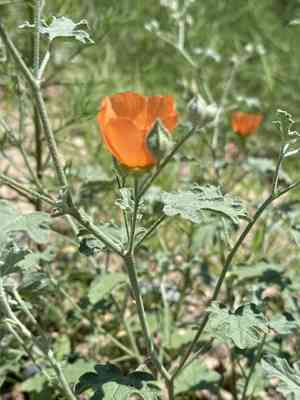
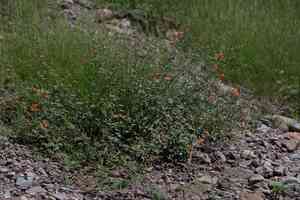
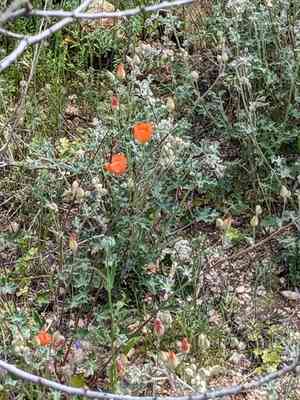
Quickly Identify Caliche globemallow
1
Identifying Sphaeralcea laxa involves looking for its lobed leaves and distinctive bright orange to reddish flowers. The plant typically grows in dry, arid environments and has a somewhat bushy appearance.
Scientific Classification of Caliche globemallow
Phylum
Vascular plants
Class
Dicotyledons
Order
Malvales
Family
Mallow
Genus
Globe mallows
Species
Caliche globemallow
Planting and Growing of Caliche globemallow
Care Difficulty
Easy
Watering Schedule
Every 2 days
Sunlight Requirements
Full sun
Sunshine Duration
4-6 hours
Ideal Temperature
60-75℉
Soil Type
Potting Mix, Peat Mix
Soil pH
6.5-7.5
Fertilizer Type
Balanced
Pruning Season
Spring, Summer
Pruning Area
Branches, Leaves
Pruning Frequency
2 times a year
Repotting Season
Spring
Pot Type
Plastic, Ceramic
 How to Water Caliche globemallow?
Sphaeralcea laxa prefers its soil to remain slightly moist without being waterlogged. When watering, pour approximately 300 ml of water until the soil feels damp to the touch, but not soggy. It's important to allow the top inch of the soil to dry out completely between waterings, ensuring the roots have access to both air and moisture.
What are the symptoms of an underwatered Caliche globemallow?
›
What should I do if my Caliche globemallow is not getting enough water?
›
What are the symptoms of an overwatered Caliche globemallow?
›
How to save an overwatered Caliche globemallow?
›
 What Are the Sunlight Requirements for Caliche globemallow?
Sphaeralcea laxa thrives best under full to partial sun conditions. Adequate light aids in maximizing flowering and maintaining robust health, enhancing its aesthetic appeal and resilience against adverse conditions.
Is Full Sunlight Necessary?
›
Solution for Achieving Ideal Sunlight
›
Benefits of Ideal Light Conditions
›
 What Is the Ideal Temperature Range for Caliche globemallow?
The ideal temperature range for Sphaeralcea laxa is between 60°F and 75°F. Maintaining temperatures within this range ensures optimal growth and flowering. At these temperatures, the plant's metabolic processes perform efficiently, supporting healthy root development and overall vigor.
 What Soil is Best for Caliche globemallow?
Sphaeralcea laxa loves well-drained soils as it prevents root rot and maintains plant vitality. It enables the roots to access oxygen and nutrients efficiently, crucial for vibrant growth. This plant thrives in soils with moderate fertility, avoiding over-fertilization that can lead to excessive foliage at the expense of flowers. Balanced nutrients support both foliage and floral development. Aerated soils allow the roots of Sphaeralcea laxa to thrive by facilitating air exchange and preventing compaction. This supports robust root health, essential for nutrient uptake and growth.
 How to Fertilize Caliche globemallow?
For Sphaeralcea laxa, it is essential to use a balanced fertilizer with an equal proportion of nitrogen, phosphorus, and potassium. During the growing season, apply at a rate of about 1/2 teaspoon per gallon of water for liquid feed and 1 tablespoon per square foot for granular fertilizers.
 How to Prune Caliche globemallow?
Begin by examining your Sphaeralcea laxa for any dead or damaged stems, which should be trimmed back to the base. Use sharp, clean pruners to make clean cuts, which helps the plant heal quickly. Gently shape the plant by removing any excessively long stems to maintain a compact and appealing form. Aim to keep the plant open and airy to improve air circulation, thereby minimizing potential disease issues. To encourage more blooms, focus on deadheading spent flowers regularly throughout the growing season. Cut the flower stalks back to the nearest set of healthy leaves. This redirects the plant's energy from seed production back to producing more vibrant blooms, ensuring a prolonged display of flowers.
More About Pruning Techniques→
 How to Propagate Caliche globemallow plant?
1
Begin by filling a seed tray with a mix of garden soil and compost. Sow the seeds evenly across the surface and lightly cover them with soil. Water gently to keep the soil moist but not waterlogged. Place the tray in a warm, bright area away from direct sunlight.
2
Select healthy stems and use pruners to take cuttings about 4-6 inches long. Remove any leaves on the lower half and dip the cut end in rooting hormone. Plant the cuttings into a pot filled with a moist potting mix.
3
Keep the soil consistently moist but avoid over-watering. Ensure that the plants receive indirect sunlight during the rooting period. Monitor temperature and humidity to support healthy development and prevent mold or draught.
 How to Repot Caliche globemallow plant?
1
Sphaeralcea laxa should be repotted when growth slows or roots outgrow the current pot, typically every 2-3 years. Look for signs such as roots circling inside the pot or water draining too quickly.
2
Choose a pot slightly larger than the current one, with good drainage holes. This ensures plenty of room for root growth and prevents water from stagnating, which can lead to root rot.
3
Ideal soil is a well-draining loamy mix, retaining enough moisture for nutrient absorption while preventing waterlogging. Be sure to use a mix suitable for desert plants to encourage optimal growth.
Learn More About Caliche globemallow Diseases
Anthracnose
Bacterial Leaf Spot
Bacterial Wilt
Black Spot
Chemical Injury
Crown Gall
Cyst Nematode
Damping-off
Downy Mildew
Drought Stress
Fusarium Wilt
Gray Mold
Leaf Curl
Leaf Spot
Mosaic
Nutrient Deficiency
Nutrient Toxicity
Powdery Mildew
Root Rot
Root-knot Nematode
Rusts
Sooty Mold
Spider Mites
Temperature Stress
Thrips Damage
White Mold



