How to Transplant Broadfruit bur-reed?
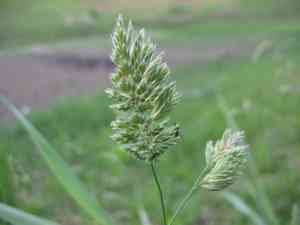
For best outcomes, transplant broadfruit bur-reed during its vigorous growth phase, spanning from late spring through mid-summer, to ensure a smooth establishment. Select a location offering full sun to partial shade with damp earth, and although not strictly necessary, a controlled-release nutrient supplement can aid in its adjustment.
What Preparations are Needed Before Transplanting Broadfruit Bur-reed?
What is the Ideal Time for Transplanting Broadfruit Bur-reed?
The optimal period for relocating broadfruit bur-reed extends from the garden's late spring revival through the peak of midsummer. During this time, robust growth conditions facilitate rapid and firm root establishment, benefiting from the extended, warm days ahead. Moving broadfruit bur-reed within this lush interval allows it to thrive, capitalizing on the season's ample light and heat to vigorously establish itself. A helpful hint: introduce this perennial to its new home when growth is active, and observe its flourishing in the early season's warmth!
How Much Space Should You Leave Between Broadfruit Bur-reed Plants?
Hello, aspiring gardener! You'll want to provide your broadfruit bur-reeds ample room to thrive. Position them approximately 18-24 inches (45-60 cm) apart. This spacing ensures they have sufficient area for root expansion and robust development!
What is the Best Soil Mix for Broadfruit Bur-reed Transplanting?
For thriving broadfruit bur-reeds, enrich your soil with abundant organic matter. They flourish in rich, loamy soil. If available, incorporate compost or aged manure before planting to give your broadfruit bur-reeds an added boost. A general-purpose fertilizer will also contribute to their successful start!
Where Should You Relocate Your Broadfruit Bur-reed?
Your broadfruit bur-reeds will appreciate a location in your garden that receives full sun to partial shade. Ensure the chosen spot gets at least 4-6 hours of sunlight daily. This will promote healthy growth and the beautiful blooms you anticipate from your broadfruit bur-reeds!
What Equipments Should You Prepare Before Transplantation Broadfruit Bur-reed?
Gardening Gloves
To safeguard your hands while handling soil and plants.
Spade or Garden Shovel
For excavating the plant and preparing a new planting site.
Watering Can or Hose
To hydrate the plant before and after the relocation process.
Wheelbarrow or Garden Cart
For moving the broadfruit bur-reed plant and soil as needed.
Pruning Shears
To remove any dead or excess growth prior to transplanting.
Root Pruning Saw or Knife (if applicable)
For cutting through dense root masses if the plant is root-bound.
How Do You Remove Broadfruit Bur-reed from the Soil?
How Do You Remove Broadfruit Bur-reed from the Soil?
From Ground: First, moisten the broadfruit bur-reed plant's soil to facilitate digging. Carefully excavate a wide circle around the plant using your spade or garden shovel, aiming to preserve as much of the root ball as possible. Angle your tool beneath the plant to gently lift the root ball from the ground.From Pot: Hydrate your broadfruit bur-reed plant to ensure the soil is damp. Turn the pot on its side and gently tap the base to dislodge the plant. Support the plant at its base as you slide it out, ensuring the root ball remains intact.From Seedling Tray: Water the seedlings to ensure moist soil, making removal easier. Use a spoon or a dibber to gently lift the seedling from its tray by the base, taking care not to harm the roots.
Step-by-Step Guide for Transplanting Broadfruit Bur-reed
Preparation
Prepare the broadfruit bur-reed plant for relocation by thoroughly watering it the day before the move. This ensures the plant is hydrated and the soil remains cohesive.
Digging the Hole
Excavate a hole at the new planting site for the broadfruit bur-reed, making it twice as wide and roughly the same depth as the root ball to allow ample space for root expansion.
Roots Inspection
Examine the root ball for any indications of disease or circling roots, and trim if necessary using pruning shears or a pruning saw. Exercise caution to prevent unnecessary root damage.
Placing the Plant
Carefully lower the broadfruit bur-reed into the hole, ensuring it is level with the ground. Avoid planting too deeply, as this can lead to stem rot.
Backfilling Soil
Refill the hole with the excavated soil around the root ball, gently tamping it down to eliminate air pockets without excessive compaction.
Watering
Generously water the transplanted broadfruit bur-reed to settle the soil and remove any remaining air pockets. This will also help the roots connect with the surrounding soil.
Mulching
Apply a layer of mulch around the broadfruit bur-reed, keeping it clear of the plant's stem to protect roots from temperature extremes and reduce moisture loss.
How Do You Care For Broadfruit Bur-reed After Transplanting?
Initial Watering
Ensure the broadfruit bur-reed receives ample water immediately after transplanting. For the initial few weeks, maintain consistently moist soil to aid in root establishment.
Mulch Maintenance
Maintain a layer of mulch around the broadfruit bur-reed to conserve moisture and inhibit weed growth. Be careful to keep it away from the stem to prevent rot.
Monitoring Growth
Observe the broadfruit bur-reed's growth and watch for any signs of stress. This might appear as wilting leaves or discolored foliage.
Pest Control
Monitor the broadfruit bur-reed for any indications of pests or diseases. Early detection and treatment are crucial for the plant's post-transplant success.
Gradual Sun Exposure
If the broadfruit bur-reed was previously in a shaded spot, gradually increase its exposure to sunlight to prevent shock, unless it is a shade-loving variety.
Troubleshooting Common Issues with Broadfruit Bur-reed Transplantation.
How do I know when it's the best time to transplant broadfruit bur-reed?
The optimal period for relocating broadfruit bur-reed is from late spring to mid-summer when growth is vigorous.
What's the ideal distance apart for broadfruit bur-reed when transplanting?
Space broadfruit bur-reed approximately 18-24 inches (45-60 cm) apart to allow sufficient room for growth.
Can broadfruit bur-reed be transplanted during the blooming phase?
It's best to avoid relocating broadfruit bur-reed while it's blooming; this could stress the plant and diminish its vitality.
Why is my broadfruit bur-reed wilting after transplanting?
Wilting may be due to transplant shock. Ensure adequate watering, and keep it out of direct sun for a few days.
Should I amend the soil when transplanting broadfruit bur-reed?
Yes, enriching the soil with compost or well-rotted manure can provide broadfruit bur-reed with a strong start.
How much should I water broadfruit bur-reed after transplanting?
Water generously immediately after transplanting, then maintain consistent moisture, especially during the initial weeks.
What's the ideal depth for transplanting broadfruit bur-reed?
The root ball should be positioned at the same depth in its new location as it was in its original spot.
How do I minimize root damage when transplanting broadfruit bur-reed?
Carefully dig around the root ball and lift gently. Keep as much soil around the roots as possible.
My broadfruit bur-reed looks droopy a week after transplanting. What should I do?
Ensure broadfruit bur-reed is receiving enough water and that the soil drains well. It may also require some time to acclimate.
Can I add fertilizer immediately after transplanting broadfruit bur-reed?
It's advisable to wait a few weeks. Allow broadfruit bur-reed to settle before applying a mild, balanced fertilizer.



