How to Transplant Rocky mountain goldenrod?
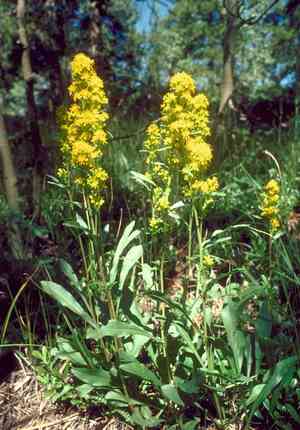
Rocky mountain goldenrod flourishes most effectively when relocated in the middle to latter part of spring's flowering season, as temperatures are more moderate. Select a bright spot with soil that drains efficiently. Guarantee steady hydration after transplanting to aid in root development.
What Preparations are Needed Before Transplanting Rocky Mountain Goldenrod?
What is the Ideal Time for Transplanting Rocky Mountain Goldenrod?
The best period for relocating rocky mountain goldenrod is from mid to late spring, when the ground warms and frost danger has passed. This timing allows the plant to establish roots prior to summer heat. Transplanting then ensures robust growth and flowering in the next season, boosting the plant's resilience and overall health.
How Much Space Should You Leave Between Rocky Mountain Goldenrod Plants?
When relocating rocky mountain goldenrod, ensure a spacing of 12-18 inches (30-45 cm) between plants. This provides ample room for each plant to develop and flourish without becoming overcrowded.
What is the Best Soil Mix for Rocky Mountain Goldenrod Transplanting?
For rocky mountain goldenrod, prepare soil that drains well and is rich in organic matter. A blend of garden soil and compost works effectively. Incorporate a balanced, slow-release base fertilizer to give your plants a strong start.
Where Should You Relocate Your Rocky Mountain Goldenrod?
Choose a sunny location for rocky mountain goldenrod; it thrives with at least 6-8 hours of direct sunlight daily. A bright spot will encourage abundant blooms.
What Equipments Should You Prepare Before Transplantation Rocky Mountain Goldenrod?
Gardening Gloves
To safeguard your hands while handling soil and the plant.
Trowel
For excavating holes and working the soil around the plant.
Shovel
To dig a larger hole if necessary and assist in removing the plant from the ground.
Watering Can
To hydrate the rocky mountain goldenrod plant before and after relocation.
Garden Fork
To loosen the soil surrounding the plant and aid in its extraction.
Pruners
To trim any dead or damaged roots during the relocation process.
Mulch
To help maintain soil moisture and temperature around the newly relocated rocky mountain goldenrod.
Stakes and Ties
To offer support and keep the plant upright if required.
How Do You Remove Rocky Mountain Goldenrod from the Soil?
How Do You Remove Rocky Mountain Goldenrod from the Soil?
From Ground: First, moisten the rocky mountain goldenrod plant to dampen the soil. Then, excavate a wide trench around the plant using a shovel or spade, ensuring the plant's root ball remains intact. Carefully work the spade beneath the root ball to lift the plant from its original spot.From Pot: Gently tap the sides of the pot to loosen the soil. Tilt the pot slightly, holding the base of the rocky mountain goldenrod stem, and carefully slide the plant out, ensuring the roots are undamaged.From Seedling Tray: Water the seedlings thoroughly to loosen the soil. Use a small trowel or your fingers to gently lift the rocky mountain goldenrod seedlings from the tray, keeping as much of the root ball intact as possible.
Step-by-Step Guide for Transplanting Rocky Mountain Goldenrod
Prepare Planting Site
Before extracting the plant from its initial spot, prepare the new planting area by digging a hole twice as wide and the same depth as the rocky mountain goldenrod's root ball. This provides ample space for root expansion.
Condition the Soil
Incorporate organic matter, such as compost, into the soil removed from the planting hole to enrich it. This will supply nutrients for the rocky mountain goldenrod as it establishes itself in its new location.
Transplant Timing
Relocate on an overcast day or during early morning/evening to minimize transplant shock. Avoid moving the plant during the hottest part of the day.
Place Plant in Hole
Carefully position the rocky mountain goldenrod plant into the hole, ensuring it sits at the same depth as it was in its original spot. Gently spread out the roots if they are clustered.
Backfill and Firm
Gradually refill the hole with the enriched soil, gently pressing it down to eliminate any air pockets. Be careful not to compact the soil excessively, as this can impede root growth.
Watering
Thoroughly water the rocky mountain goldenrod after planting, ensuring the soil is uniformly moist around the root zone. This helps settle the soil and reduces transplant shock.
Mulching
Apply a layer of mulch around the plant's base to help retain moisture and regulate soil temperature. Keep the mulch a few inches away from the stem to prevent rot.
How Do You Care For Rocky Mountain Goldenrod After Transplanting?
Watering
Keep the soil around the rocky mountain goldenrod consistently moist, but not waterlogged, for the initial weeks after relocation to aid in establishing strong roots.
Weeding
Regularly remove any weeds around the rocky mountain goldenrod to lessen competition for nutrients and water.
Protection
Shield the newly relocated rocky mountain goldenrod from harsh conditions like strong winds or heavy rains by providing temporary support such as stakes or a small windscreen.
Monitoring
Observe the rocky mountain goldenrod for any indications of stress or transplant shock, such as wilting or yellowing leaves, and take corrective measures if needed.
Troubleshooting Common Issues with Rocky Mountain Goldenrod Transplantation.
When is the best time to transplant rocky mountain goldenrod?
The ideal period to relocate rocky mountain goldenrod is mid to late spring for optimal development.
How far apart should rocky mountain goldenrod be spaced?
Space rocky mountain goldenrod plants 12-18 inches (30-45 cm) apart to ensure healthy growth.
What soil type is best for transplanting rocky mountain goldenrod?
Rocky mountain goldenrod thrives in well-drained, sandy or loamy soils for optimal results.
Should I water rocky mountain goldenrod immediately after transplanting?
Yes, thoroughly water rocky mountain goldenrod right after relocation to help establish roots.
How deep should I plant rocky mountain goldenrod?
Plant rocky mountain goldenrod at the same depth it was growing previously to avoid stress.
What should I do if rocky mountain goldenrod shows signs of transplant shock?
Ensure adequate watering, add mulch, and provide some shade to help rocky mountain goldenrod recover.
Can rocky mountain goldenrod be transplanted during hot summer months?
Avoid relocating rocky mountain goldenrod during hot summer months to prevent root stress and dehydration.
How can I improve soil quality before transplanting rocky mountain goldenrod?
Amend soil with organic compost to enhance fertility and drainage for rocky mountain goldenrod.
Is it necessary to trim rocky mountain goldenrod before transplanting?
Slightly trimming rocky mountain goldenrod can reduce water loss and stress during relocation.
How much sunlight does rocky mountain goldenrod need after transplanting?
Rocky mountain goldenrod prefers full sun but can tolerate partial shade; ensure it receives at least 6 hours daily.



