How to Prune Rocky mountain goldenrod?
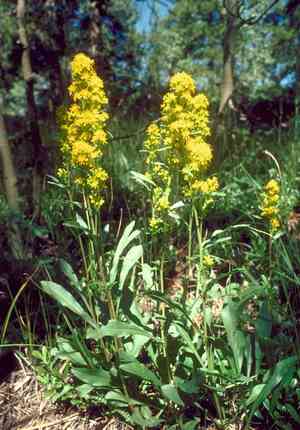
Solidago multiradiata is a resilient perennial recognized for its vibrant yellow blossoms. To sustain its vitality, trim it in late winter or early spring prior to the appearance of new shoots. Eliminate any deceased or compromised stalks and snip off faded flower stems to foster vigorous development. Trimming improves air movement, lowering the chance of illness and encouraging more abundant flowers. Consistent removal of mature stems revitalizes the plant, guaranteeing prolific blooming throughout the growing period. Always employ sanitized, sharp implements for optimal outcomes.
What Are the Benefits of Pruning Rocky Mountain Goldenrod?
What Are the Benefits of Pruning Rocky Mountain Goldenrod?
Pruning rocky mountain goldenrod is beneficial as it encourages robust development and helps maintain its form. Trimming fosters healthy growth, manages height and spread, and lowers disease risk, ensuring a strong and attractive display.
What Is the Best Time for Pruning Rocky Mountain Goldenrod?
What Is the Best Time for Pruning Rocky Mountain Goldenrod?
Trimming rocky mountain goldenrod in late winter or early spring ensures the plant remains dormant, which lessens stress and promotes vigorous growth once the active season begins. These periods align with the end of the plant's dormancy and precede its growth phase, allowing for the removal of dead or diseased wood without impacting flowering. Pruning at this time also helps rocky mountain goldenrod keep a pleasant shape and stimulates strong new growth, leading to more abundant summer blooms.
What Tools Do I Need to Prune Rocky Mountain Goldenrod?
Bypass Pruners
Perfect for making clean cuts on living stems and minor deadwood, minimizing harm to rocky mountain goldenrod.
Pruning Shears
Useful for detailed trimming and shaping of small branches and foliage of rocky mountain goldenrod.
Hand Shears
Excellent for precise pruning and maintaining the overall shape of rocky mountain goldenrod, especially for intricate tasks.
Loppers
Helpful for cutting thicker stems or branches that are too tough for hand pruners but may still be found within the growth structure of rocky mountain goldenrod.
Gloves
Crucial for protection against sharp tools and potential skin reactions from plant sap.
How to Prune Rocky Mountain Goldenrod
Inspection
Examine rocky mountain goldenrod for any visible signs of diseased or withered leaves. Look for discoloration, spots, or other irregularities.
Sterilization
Sanitize your pruning shears with rubbing alcohol to prevent disease transmission. This step is vital for maintaining the health of rocky mountain goldenrod.
Removal Diseased Leaves
Carefully cut away any diseased leaves, making the cut just above the healthy part of the stem. Dispose of the diseased leaves away from your garden to avoid contamination.
Removal Withered Leaves
Trim off withered leaves by cutting close to the base of the leaf stalk. Ensure you are only removing dead and not healthy leaves to avoid unnecessary stress to rocky mountain goldenrod.
Disposal and Cleaning
Collect all pruned material and dispose of it properly. Clean your pruning tools again with rubbing alcohol to prepare them for the next use.
Common Pruning Mistakes with Rocky Mountain Goldenrod
Over-pruning
Removing too much foliage or stems can stress rocky mountain goldenrod, reducing its ability to photosynthesize effectively and potentially hindering growth.
Improper cuts
Making jagged or uneven cuts can create entry points for pests and diseases. Clean, smooth cuts are essential.
Timing errors
Pruning at the wrong time, even if the exact season isn't specified, can disrupt the plant's growth cycle and affect blooming.
Ignoring deadheading
Failing to remove spent blooms can result in fewer flowers and might even lead to the plant becoming leggy or overgrown.
Common Pruning Tips for Rocky Mountain Goldenrod
Use sharp tools
Always use clean, sharp pruning shears to make smooth and precise cuts, minimizing damage to rocky mountain goldenrod.
Focus on dead or damaged stems
Prioritize removing any dead, diseased, or damaged stems to promote healthy growth and prevent the spread of diseases.
Moderation is key
Prune sparingly to maintain the plant's natural shape and ensure you don't over-stress rocky mountain goldenrod.
Deadhead regularly
Remove spent blooms to encourage more flowering and to keep the plant looking tidy and vigorous.
Angle your cuts
Make angled cuts just above a bud facing outward to promote new growth and prevent water from accumulating on the cut surface.



