How to Transplant Western Horsenettle?
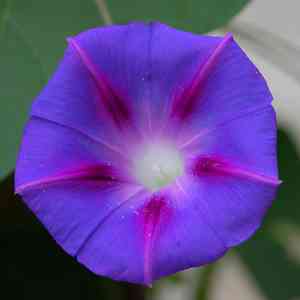
For western Horsenettle, the ideal period for relocation is from the pleasant warmth of late spring into the initial weeks of summer, facilitating robust root development. Choose a bright spot with soil that drains effectively to guarantee the prosperity of western Horsenettle. A helpful suggestion: western Horsenettle flourishes with ample room, so be liberal when picking its new site.
What Preparations are Needed Before Transplanting Western Horsenettle?
What is the Ideal Time for Transplanting Western Horsenettle?
The best period to move western Horsenettle is at the start of vigorous growthâfrom late spring to early summer. This timing utilizes the plant's natural growth cycle, giving it the best chance to settle into its new spot. Relocating western Horsenettle during this window provides the warmth and increased daylight western Horsenettle needs for root and leaf development, while ensuring the soil has thawed and become rich after winter. A friendly reminder: nurturing western Horsenettle in this season helps it flourish, making your garden thrive.
How Much Space Should You Leave Between Western Horsenettle Plants?
Your lovely western Horsenettle appreciates some personal space! Aim to position each transplant approximately 18-24 inches (45-60 cm) apart. This will provide each plant ample room to grow and reach its full potential!
What is the Best Soil Mix for Western Horsenettle Transplanting?
For your western Horsenettle, you'll want to prepare the soil to be well-draining. A loamy soil type is perfect. Before transplanting, enrich the earth with a balanced fertilizer, such as a 10-10-10 blend, to give your western Horsenettle a nutrient-rich environment.
Where Should You Relocate Your Western Horsenettle?
Sunshine is a friend to western Horsenettle! Select a location in your garden that receives full sunlight for at least 6 to 8 hours daily. This will ensure your western Horsenettle gets the necessary energy from the sun's rays to flourish.
What Equipments Should You Prepare Before Transplantation Western Horsenettle?
Gardening Gloves
To safeguard your hands while working with the soil and western Horsenettle.
Shovel or Spade
To excavate the western Horsenettle with its root ball from the ground or a container.
Trowel
For minor adjustments and digging the hole in the new spot.
Watering Can
To hydrate the western Horsenettle before and after transplanting to lessen shock.
Wheelbarrow or Garden Cart
To move the western Horsenettle from its original location to the new site without causing damage.
Pruning Shears
To trim any damaged roots or foliage prior to transplanting.
Stake or Plant Support
To offer support for western Horsenettle if needed after transplanting.
How Do You Remove Western Horsenettle from the Soil?
How Do You Remove Western Horsenettle from the Soil?
From Ground: First, water the western Horsenettle to moisten the soil. Use a shovel or spade to dig a wide trench around the plant, ensuring you maintain the integrity of the root ball. Carefully work the tool beneath the root ball to gently lift the plant out.From Pot: Water the western Horsenettle and tap the sides of the pot to loosen the soil. Tilt the pot sideways and carefully slide the plant out while supporting the base of the stem with your hand.From Seedling Tray: Water the seedlings. Use a trowel or your fingers to gently lift the western Horsenettle from the tray, making sure to keep as much soil around the roots as possible.
Step-by-Step Guide for Transplanting Western Horsenettle
Preparation
Gather all necessary tools and get the new planting site ready for western Horsenettle.
Watering Before Removal
Water the western Horsenettle thoroughly one day prior to transplanting to minimize stress and make the soil easier to manage.
Digging Up western Horsenettle
Using a shovel or spade, carefully dig around the western Horsenettle to extract the root ball with minimal root damage. For pots or seedling trays, gently remove the western Horsenettle, preserving the root structure.
Transporting
Carry the western Horsenettle to the new planting location using a wheelbarrow or garden cart, avoiding any rough handling that could harm the plant.
Placing in New Location
Dig a hole in the prepared area that is twice as wide as the root ball of the western Horsenettle. Position the western Horsenettle into the hole, ensuring it's at the same depth it was growing in its original location.
Backfilling Soil
Carefully fill in around the root ball with soil, eliminating any air pockets by gently firming the soil.
Staking if Necessary
If western Horsenettle is tall or top-heavy, provide support with stakes or plant supports to prevent the plant from toppling over.
Watering After Transplanting
Water the western Horsenettle generously after planting to help settle the soil around the roots and aid in recovery from transplant shock.
How Do You Care For Western Horsenettle After Transplanting?
Settling In
Allow western Horsenettle to acclimate to its new location without disturbance, and avoid stepping on the soil around the roots.
Monitoring
Regularly inspect the western Horsenettle for signs of transplant shock, such as wilted or discolored leaves, and take appropriate action.
Supporting
If a stake or support was utilized, ensure it is secure and does not rub or cut into the western Horsenettle's stem.
Follow-up Watering
Continue to water the western Horsenettle adequately based on weather conditions and soil moisture levels to establish a strong new root system without overwatering.
Troubleshooting Common Issues with Western Horsenettle Transplantation.
What's the best time to transplant western Horsenettle?
The optimal period for transplanting western Horsenettle is during late spring through early summer, when the soil is warm.
How far apart should I space western Horsenettle when transplanting?
Space your western Horsenettle approximately 18-24 inches (45-60 cm) apart to ensure proper growth and air circulation.
What soil conditions favor western Horsenettle after transplanting?
Aim for well-draining soil with a neutral to slightly acidic pH for optimal results with western Horsenettle.
How should I water western Horsenettle after transplanting?
Water western Horsenettle generously immediately after transplanting, then maintain moderate moisture as it establishes.
How much sunlight does western Horsenettle require after transplanting?
Plant western Horsenettle in a location where it can receive full sunlight to partial shade daily.
Should I fertilize western Horsenettle when transplanting?
Yes, incorporate a balanced slow-release fertilizer into the soil to promote robust root development.
How deep should the hole be for transplanting western Horsenettle?
Dig a hole as deep as the root ball and twice as wide to accommodate western Horsenettle's root system.
What's the ideal temperature for transplanting western Horsenettle?
Plant western Horsenettle when the temperature is consistently above 50°F (10°C) to prevent cold stress.
How do I handle western Horsenettle's roots during transplanting?
Handle the roots of western Horsenettle with care, avoiding damage, to ensure the plant can thrive in its new location.
Can western Horsenettle be transplanted on overcast days?
Yes, overcast, cool days can be perfect for transplanting western Horsenettle to reduce transplant shock.



