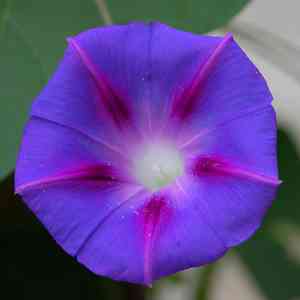
Western Horsenettle (Solanum dimidiatum)
Also known as: Robust Horsenettle
Buffalobur (Solanum rostratum) is a flowering plant species native to the central United States. Also known as Torrey's nightshade and Kansas thistle, this species is classified as a noxious weed in California.
In This Article
Attributes of Western Horsenettle
Lifespan
Perennial
Plant Type
Herb
Plant Height
80 cm
Spread
50 cm to 2.5 m
Leaf Color
Green Blue
Flower Size
1.9 cm to 4 cm
Flower Color
Purple
Images of Western Horsenettle
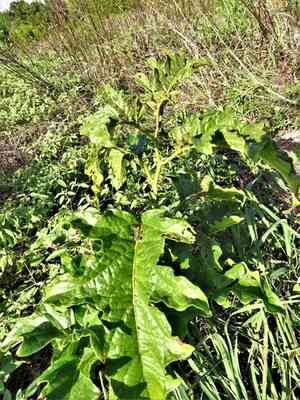
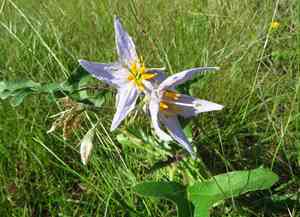
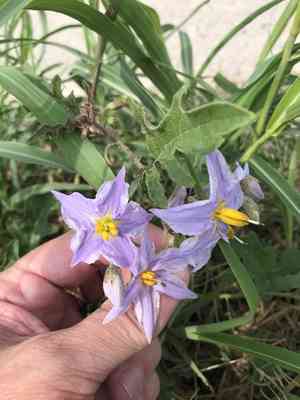
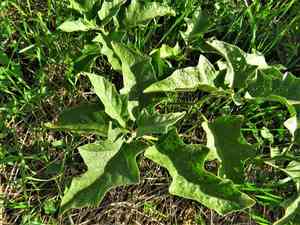
Quickly Identify Western Horsenettle
1
Solanum dimidiatum can be identified by its purple flowers with five lobes and a yellow center, prickly stems, and ovate to lanceolate leaves. The plant also produces small, spherical yellow to green berries.
Scientific Classification of Western Horsenettle
Phylum
Vascular plants
Class
Dicotyledons
Order
Solanales
Family
Nightshade
Genus
Nightshades
Species
Western Horsenettle
Planting and Growing of Western Horsenettle
Care Difficulty
Hard
Watering Schedule
Every 2 days
Sunlight Requirements
Full sun
Sunshine Duration
6-12 hours
Ideal Temperature
70-85℉
Soil Type
Potting Mix, Peat Mix
Soil pH
6.5-7.5
Fertilizer Type
Balanced
Pruning Season
Spring, Summer
Pruning Area
Branches, Leaves
Pruning Frequency
2 times a year
Repotting Season
Spring
Pot Type
Terracotta, Plastic
 How to Water Western Horsenettle?
For Solanum dimidiatum, it's essential to water the plant thoroughly yet infrequently. The goal is to ensure that the soil is moistened evenly to a depth of about 6 inches without waterlogging. Each watering session should involve about 500 milliliters per plant, ensuring the water reaches the deeper roots.
What are the symptoms of an underwatered Western Horsenettle?
›
What should I do if my Western Horsenettle is not getting enough water?
›
What are the symptoms of an overwatered Western Horsenettle?
›
How to save an overwatered Western Horsenettle?
›
 What Are the Sunlight Requirements for Western Horsenettle?
Solanum dimidiatum thrives in full to partial sun, benefiting from six to eight hours of light. Adequate light ensures robust growth, enhanced flowering, and strong foliage development, optimizing its natural resilience and vitality.
More About Sunlight Requirements Techniques→
Optimal Sun Exposure
›
Utilizing Partial Sunlight
›
Monitoring Light Intensity
›
 What Is the Ideal Temperature Range for Western Horsenettle?
The optimal temperature range for growing Solanum dimidiatum should ideally be between 70°F and 85°F. Within this range, the plant can thrive, photosynthesize efficiently, and grow healthily. These temperatures mimic the plant's natural habitat, ensuring stable growth and minimal stress.
 What Soil is Best for Western Horsenettle?
Solanum dimidiatum thrives in well-drained soil, which prevents root rot and enables adequate oxygen to reach the roots. This promotes vigorous growth and robust health for the plant. This plant prefers soil with moderate organic matter, ensuring nutrients are available without over-saturation that can inhibit respiration and growth due to excess decomposition. Maintaining a soil pH between 6.5 and 7.5 is crucial, as it allows the plant to efficiently absorb essential nutrients, supporting optimal growth and flowering.
 How to Fertilize Western Horsenettle?
For Solanum dimidiatum, using a balanced liquid fertilizer at a concentration of 1/2 of the recommended dose is ideal when applied bi-weekly. This ensures that the plant receives enough nutrients without the risk of over-fertilization. For slow-release granular fertilizers, use about 30 grams per plant, spread evenly around the base, not closer than 5 inches to the stem, to encourage healthy growth throughout the year.
 How to Prune Western Horsenettle?
To prune Solanum dimidiatum, start by removing any dead or diseased stems at their base. Use clean, sharp pruning shears to cut back the long, leggy stems. Aim to remove about a third of the plant's current growth to encourage denser foliage. Focus on creating an open structure to allow sunlight and air to penetrate through the branches. If your Solanum dimidiatum has grown extensively, more drastic pruning may be necessary. Cut back the outer stems to shape the plant while maintaining a natural form. Ensure you are not cutting too close to the root to avoid stressing the plant, and always trim slightly above a node to promote new shoot growth.
More About Pruning Techniques→
 How to Propagate Western Horsenettle plant?
1
Identify mature fruits on the plant and extract the seeds. Allow the seeds to dry in a cool, dark place for a few days before planting to ensure they are ready for germination.
2
Select a healthy stem from the plant, cut a section around 10-15 cm long just below a node, and remove the lower leaves. Dip the end in rooting hormone to stimulate root growth before planting.
3
Scatter the seeds evenly on a seed tray filled with moistened potting mix. Cover them lightly with additional mix and maintain consistent moisture by lightly watering.
 How to Repot Western Horsenettle plant?
1
Repot your Solanum dimidiatum when it becomes root-bound. This is typically indicated by roots emerging from the drainage holes of its current pot or reduced growth. A visible sign of cramped roots is always a cue that your plant seeks more space to stretch out and thrive.
2
Select a pot that is one size larger than the current one and offers good drainage. Terracotta pots are great as they are porous, preventing waterlogging and providing a stable environment for root growth. This fosters healthy root development, allowing your plant to flourish.
3
Opt for a sandy loam soil that promotes drainage while still retaining adequate moisture. A well-draining mixture reduces the risk of root rot and supplies essential nutrients, ensuring your Solanum dimidiatum has the best chance to enjoy a healthy, productive lifecycle.
Toxicity
Ingestion
WARNING
The judgment on toxicity and danger is for reference only. We DO NOT GUARANTEE any accuracy of such judgment. Therefore, you SHALL NOT rely on such judgment. It is IMPORTANT TO SEEK PROFESSIONAL ADVICE in advance when necessary.



