How to Transplant Tall hedge mustard?
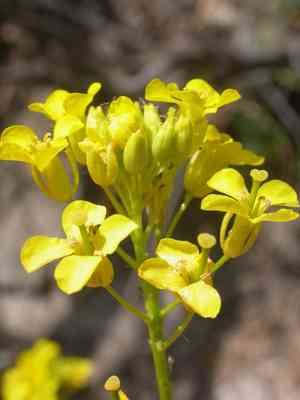
The optimal period for relocating tall hedge mustard spans from the initial signs of spring's thaw until the height of its blossoming. This plant flourishes in sun-drenched, adequately drained areas, and benefits from a gentle and attentive placement into its new environment.
Necessary Preparations Before Moving Tall Hedge Mustard
Optimal Timing for Relocating Tall Hedge Mustard?
The best time to move your tall hedge mustard outdoors spans from the start of spring's warmth until just before summer. This period offers the mild temperatures and extended daylight hours that tall hedge mustard prefers, ensuring a smooth transition and strong establishment in your garden. Placing tall hedge mustard in its new spot during this window allows it to fully utilize the growing season, developing a sturdy root system before summer's heat arrives.
Required Spacing Between Tall Hedge Mustard Plants?
Initially, space your young tall hedge mustard plants 4-6 inches (10-15 cm) apart. This provides ample room for their growth and development without competing for nutrients or sunlight.
Ideal Soil Blend for Tall Hedge Mustard Transplantation?
Prepare a rich, well-draining soil, fortified with a balanced, slow-release fertilizer to give your tall hedge mustard a strong beginning. A mixture of compost and garden soil will provide a robust foundation for their prosperity.
Where to Replant Your Tall Hedge Mustard?
Select a sunny location for your tall hedge mustard that receives at least 6 hours of direct sunlight daily. They thrive in bright conditions and will grow best with abundant sunshine!
Equipment Needed Before Transplanting Tall Hedge Mustard
Gardening Gloves
To safeguard your hands while handling soil and plants.
Shovel or Garden Spade
For excavating the plant from its original spot and preparing the new planting hole.
Watering Can or Hose
To hydrate the tall hedge mustard both before and after relocation.
Pruning Shears
To trim away any damaged roots or foliage.
Wheelbarrow or Planting Tray
To move the tall hedge mustard from one place to another without causing harm.
Garden Fork
To help loosen the soil around the plant's root ball.
Mulch
To aid in retaining soil moisture post-transplantation.
Measuring Tape
To accurately space out the transplanting locations.
How to Extract Tall Hedge Mustard from the Soil?
How to Extract Tall Hedge Mustard from the Soil?
From Ground: Start by watering the tall hedge mustard to soften the soil. Use a shovel or spade to dig a wide circle around the plant, being careful not to harm the roots. Drive the shovel deep beneath the root ball to free the plant from the soil and gently lift it out.From Pot: Ensure the soil is damp to facilitate removal. Gently tap the pot's sides to loosen the root ball. Tilt the pot sideways and carefully slide the tall hedge mustard out, supporting the stem's base with your hand.From Seedling Tray: Water the seedlings to help the roots slide out more easily. Use a small tool or your finger to gently push the tall hedge mustard up from the bottom of the cell while supporting the seedling.
Step-by-Step Guide for Relocating Tall Hedge Mustard
Transport Preparation
Move the tall hedge mustard to a shaded area initially to prevent excessive stress before transplanting.
Hole Digging
At the new site, dig a hole that is twice as wide and roughly the same depth as the tall hedge mustard's root ball.
Root Inspection
Before placing the tall hedge mustard in the new hole, inspect and trim any damaged or circling roots.
Placement
Position the tall hedge mustard in the center of the hole at the same depth it was originally growing. Ensure it is upright and straight.
Backfilling
Gently refill the hole with soil, carefully firming around the base to eliminate any air pockets.
Watering
Thoroughly water the tall hedge mustard to settle the soil and hydrate the roots. Use a gentle flow to avoid washing away the soil.
Mulching
Spread a layer of mulch around the base of the tall hedge mustard, keeping a small gap around the stem to prevent potential rot.
Post-Transplantation Care for Tall Hedge Mustard
Initial Care
Monitor your tall hedge mustard closely for the first few weeks, maintaining consistent soil moisture and providing shade if extreme temperatures are anticipated.
Monitoring
Regularly check the plant for indications of stress, such as wilting or discolored leaves, and address any issues promptly.
Trimming
If needed, lightly prune any damaged or diseased foliage to encourage healthy growth.
Support
If the tall hedge mustard appears unstable, use a stake or plant ties to offer temporary support until it develops a strong root system.
Resolving Common Issues with Tall Hedge Mustard Transplantation.
When is the best time to transplant tall hedge mustard?
The optimal period for transplanting tall hedge mustard is from early to late spring, when the soil is workable and warm.
What spacing should I use when transplanting tall hedge mustard?
Allow tall hedge mustard ample room by spacing them 4-6 inches (10-15 cm) apart, providing sufficient space for foliage expansion.
Why is my tall hedge mustard wilting after being transplanted?
Wilting after transplanting may indicate shock. Ensure careful handling, adequate watering, and protection from intense sun for a few days.
How should I water tall hedge mustard after transplanting?
Water tall hedge mustard generously immediately after transplanting to settle the soil and aid root recovery, then maintain consistent moisture.
What soil conditions are best for transplanting tall hedge mustard?
Transplant tall hedge mustard into well-draining soil rich in organic matter to foster vigorous growth and healthy roots.
Can I transplant tall hedge mustard on a hot, sunny day?
It's advisable to transplant tall hedge mustard on an overcast day or in the late afternoon to avoid immediate sun exposure and reduce stress.
How deep should I plant tall hedge mustard seedlings?
The root ball of tall hedge mustard should sit slightly below the soil's surface, in a hole just deep enough to accommodate it.
What to do if tall hedge mustard leaves turn yellow after transplant?
Yellowing may signal overwatering or a nutrient deficiency. Check soil moisture levels and consider applying a balanced fertilizer.
How do I prepare the soil for tall hedge mustard before transplanting?
Loosen the soil to a depth of at least 8-10 inches (20-25 cm), and mix in compost to enrich it before transplanting tall hedge mustard.
Should I prune tall hedge mustard during transplanting?
Pruning is generally not required during transplanting. Focus on minimizing root disturbance and ensuring proper planting depth for tall hedge mustard.



