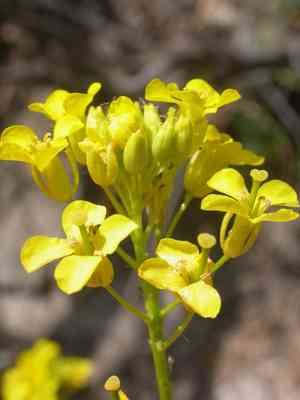
Tall hedge mustard (Sisymbrium loeselii)
Also known as: Lösel tumble mustard
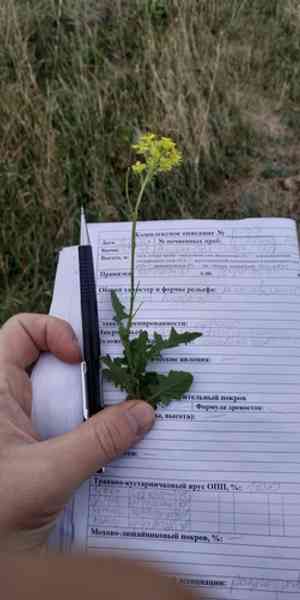
Tall hedge mustard (Sisymbrium loeselii), originally from Eurasia, is now a widespread weed commonly found along roadsides and in disturbed areas globally. It can thrive in both semi-shade and full sun, producing clusters of small, yellow flowers. The plant's fruit is a narrow, curved pod. Additionally, tall hedge mustard releases chemicals that can suppress the germination of seeds from other plant species, giving it a competitive edge.
In This Article
Attributes of Tall hedge mustard
Lifespan
Annual, Biennial
Plant Type
Herb
Plant Height
1.1 m
Spread
25 cm
Leaf Color
Green
Flower Size
8 mm
Flower Color
Yellow
Images of Tall hedge mustard
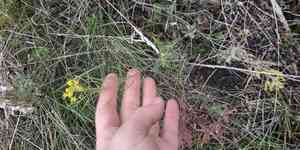
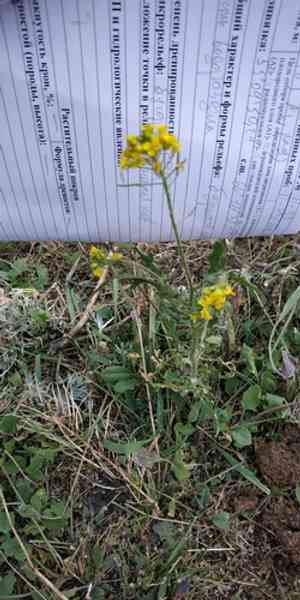
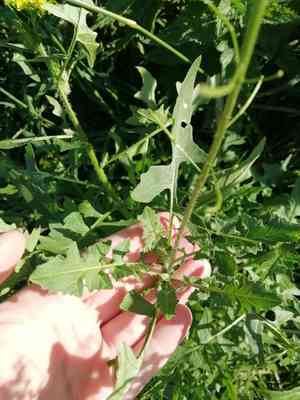
Quickly Identify Tall hedge mustard
1
Look for a tall herb with yellow flowers and slender, branching stems. Leaves are deeply lobed or divided. The plant may resemble other mustard family plants, so careful observation of leaf shape and flower structure is necessary for correct identification.
Scientific Classification of Tall hedge mustard
Phylum
Vascular plants
Class
Dicotyledons
Order
Brassicales
Family
Cruciferae
Genus
Hedge mustard
Species
Tall hedge mustard
Planting and Growing of Tall hedge mustard
Care Difficulty
Easy
Watering Schedule
Every 2 days
Sunlight Requirements
Full sun
Sunshine Duration
4-6 hours
Ideal Temperature
60-75℉
Soil Type
Potting Mix, Peat Mix
Soil pH
6.5-7.5
Fertilizer Type
Balanced
Pruning Season
Spring, Summer
Pruning Area
Branches, Leaves
Pruning Frequency
2 times a year
Repotting Season
Spring
Pot Type
Plastic, Ceramic
 How to Water Tall hedge mustard?
For Sisymbrium loeselii, it's crucial to follow the principle of ensuring the soil is moist but not waterlogged. Each watering session should involve around 250 ml of water, enough to allow for some drainage while keeping the roots sufficiently hydrated. It's best to water in the mornings, allowing any excess to evaporate throughout the day.
What are the symptoms of an underwatered Tall hedge mustard?
›
What should I do if my Tall hedge mustard is not getting enough water?
›
What are the symptoms of an overwatered Tall hedge mustard?
›
How to save an overwatered Tall hedge mustard?
›
 What Are the Sunlight Requirements for Tall hedge mustard?
Sisymbrium loeselii ideally requires full sun or partial sun conditions. Optimal light exposure promotes vigorous growth, improved flowering, and enhanced resilience against diseases and environmental stress.
What is the ideal amount of sunlight for Sisymbrium loeselii?
›
How can I achieve the ideal sunlight for Sisymbrium loeselii?
›
What benefits does Sisymbrium loeselii gain from ideal sunlight?
›
 What Is the Ideal Temperature Range for Tall hedge mustard?
For Sisymbrium loeselii, the ideal temperature range for optimal growth is between 60°F and 75°F. This range allows the plant to effectively undergo photosynthesis while maintaining its metabolic activities at optimal levels. The moderate temperature range prevents stress and supports healthy development.
 What Soil is Best for Tall hedge mustard?
Sisymbrium loeselii thrives in well-drained soil, which prevents waterlogging and root rot. This condition ensures healthy root aeration, providing the plant with essential nutrients and optimal growth conditions. This plant prefers soil with moderate nutrient levels, allowing for balanced growth without excessive nutrient competition. Such soil conditions support robust leaf development and promote vibrant flower production. Organic matter in the soil enhances the water retention and nutrient holding capacity, which is essential for Sisymbrium loeselii. It improves soil structure, ensuring the plant benefits from sustainable growth over time.
 How to Fertilize Tall hedge mustard?
For Sisymbrium loeselii, it's critical to apply a balanced fertilizer. Use a 10-10-10 NPK fertilizer in liquid form, diluted to half the labeled strength. Apply approximately 500 ml per plant to ensure nutrients are available without causing burn.
 How to Prune Tall hedge mustard?
To encourage continuous blooming, regularly remove spent flowers from Sisymbrium loeselii. This should be done by snipping off the flower stems just above a pair of healthy leaves. This not only tidies the plant but also redirects energy into creating new blooms, thus extending the flowering period. For aesthetic and health reasons, shape Sisymbrium loeselii by cutting back any overgrown stems. Aim to create a balanced form by removing uneven or scraggly growth. This helps maintain not only an uniform appearance but also sufficient air circulation throughout the plant, reducing the risk of mildew and rot.
 How to Propagate Tall hedge mustard plant?
1
Begin by filling a clean seed tray with potting mix, leaving a small gap at the top. Lightly water the mix to ensure it is evenly moist before sowing the seeds.
2
Scatter the Sisymbrium loeselii seeds evenly across the surface of the moistened potting mix. Lightly cover them with a thin layer of additional potting mix or vermiculite to maintain moisture and provide darkness.
3
Place the seed tray in a location with indirect light and maintain a consistent temperature between 18-22°C (64-72°F). Ensure the soil remains moist but not waterlogged throughout the germination process.
 How to Repot Tall hedge mustard plant?
1
Repot Sisymbrium loeselii when you notice roots coming out of the drainage holes. It might also need repotting if the plant seems stunted despite adequate care, as this can indicate root bound conditions or depleted soil nutrients.
2
Select a pot that is 1-2 inches larger in diameter than the current one. This gives the roots room to expand without drowning them in too much soil, which could lead to overwatering issues. Make sure it has drainage holes to prevent waterlogging.
3
The ideal soil is a well-drained loamy mixture. This type of soil ensures excess water drains away efficiently, reducing the risk of root rot. It also maintains enough moisture and nutrients to support healthy growth.



