How to Transplant Buckthorn bully?
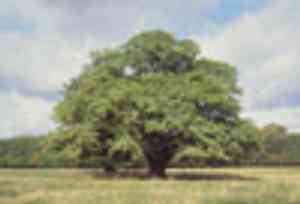
Buckthorn bully flourishes when relocated during the revitalizing period of early spring. Select a location that receives full sun or partial shade, featuring soil that drains effectively. Provide ideal circumstances to facilitate its rapid establishment and vigorous growth.
What Preparations are Necessary Before Relocating Buckthorn Bully?
What is the Optimal Period for Relocating Buckthorn Bully?
The best season for moving buckthorn bully is in early spring. During this time, the plant remains dormant, which reduces stress and allows it to acclimate to its new spot before active growth begins. Additionally, the soil is moist and easier to work with, aiding root establishment. Advantages of this timing include less transplant shock and a higher chance of successful root development, leading to a healthier, more vigorous plant.
How Much Space Should Be Allotted Between Buckthorn Bully Plants?
When preparing to move buckthorn bully, it's crucial to maintain a distance of 15-20 feet (4.5-6 meters) between each specimen. This ensures ample room for them to flourish and grow without becoming overcrowded.
What is the Ideal Soil Mixture for Buckthorn Bully Relocation?
Prepare the soil for buckthorn bully by ensuring it drains well and is rich in organic material. Ideally, incorporate some compost or a balanced base fertilizer to enrich the soil. Buckthorn bully thrives in slightly acidic to neutral pH levels for optimal development.
Where Should You Replant Your Buckthorn Bully?
Choose a site for buckthorn bully that receives full to partial sunlight, ideally 6-8 hours daily. This guarantees your plant gets sufficient solar energy to thrive. Ensure the selected spot is clear of any objects that cast shade.
What Tools Should You Gather Before Relocating Buckthorn Bully?
Gardening Gloves
To safeguard your hands while handling soil and the plant.
Shovel or Spade
For excavating and extracting the plant from its initial position.
Gardening Fork
To gently loosen the soil around the plant without harming its root systems.
Watering Can or Hose
For moistening the soil before and after the relocation.
Trowel
Useful for smaller, more delicate digging tasks.
Pruners
To trim any damaged roots or branches during the relocation.
How Do You Extract Buckthorn Bully from the Ground?
How Do You Extract Buckthorn Bully from the Ground?
From Ground: First, hydrate the buckthorn bully plant to moisten the soil. Then, dig a wide trench around the plant using a shovel or spade, ensuring the plant's root ball stays intact. Carefully work the spade beneath the root ball to lift the plant from its original spot.From Pot: Water the buckthorn bully plant thoroughly. Gently tap the sides of the container to loosen the soil. Carefully slide the plant out by holding the base of the stem, taking care not to harm the roots. If the plant is stuck, use a trowel to loosen the edges.From Seedling Tray: Water the buckthorn bully seedlings well before removing them. Use a small trowel or a spoon to gently lift each seedling, ensuring you keep as much of the root system intact as possible. Handle the seedlings by their leaves to avoid damaging the delicate stems.
Step-by-Step Guide for Relocating Buckthorn Bully
Plant Extraction
Using the described methods, carefully remove the buckthorn bully plant from its original location, ensuring minimal root disturbance.
Examine Roots
Check the root ball for any damaged or circling roots. Trim any compromised sections with pruners to encourage healthy growth.
Prepare the New Hole
Dig a hole in the new location that is twice the width and the same depth as the buckthorn bully's root ball. Loosen the soil at the bottom to aid root penetration.
Replant the Specimen
Place the buckthorn bully plant into the hole. The top of the root ball should be level with the surrounding soil. Fill the hole halfway with soil, then water it to settle the soil and remove air pockets. Finish filling the hole and water again thoroughly.
Mulching
Add a 2-3 inch layer of mulch around the base of the buckthorn bully plant, ensuring the mulch does not touch the stem. This will help retain moisture and regulate soil temperature.
How Do You Care For Buckthorn Bully After Relocation?
Watering
Keep the soil around the buckthorn bully consistently moist, but not waterlogged, for the first few weeks after relocating to help establish strong roots.
Monitoring
Regularly inspect the buckthorn bully plant for signs of transplant shock, such as wilting or yellowing leaves. Prompt attention can prevent lasting damage.
Support
If the buckthorn bully plant is tall or top-heavy, consider staking it to provide support until it stabilizes in its new location.
Mulch Maintenance
Ensure the mulch layer remains intact and replenished to retain moisture and suppress weed growth.
Troubleshooting Common Issues with Buckthorn Bully Relocation.
When is the best time to relocate buckthorn bully?
The ideal time to move buckthorn bully is early spring, ensuring optimal conditions for growth.
What spacing should I maintain when relocating buckthorn bully?
Maintain a spacing of 15-20 feet (4.5-6 meters) between each plant for proper growth.
How should I prepare the soil for relocating buckthorn bully?
Ensure the soil is well-drained and enriched with organic matter for the best results.
How deep should I dig the hole for buckthorn bully?
Dig a hole twice the width and the same depth as the root ball of buckthorn bully.
Should I water buckthorn bully immediately after relocating?
Yes, water buckthorn bully thoroughly right after relocating to help establish its roots.
How can I protect buckthorn bully from transplant shock?
Minimize root disturbance and water regularly to reduce transplant shock for buckthorn bully.
What mulch type is best for buckthorn bully after relocating?
Use organic mulch like wood chips or straw around buckthorn bully to retain moisture and regulate temperature.
How often should I water buckthorn bully after relocating?
Water buckthorn bully deeply once a week, ensuring the soil stays moist but not waterlogged.
Can I fertilize buckthorn bully immediately after relocating?
Avoid fertilizing buckthorn bully immediately. Wait about 4-6 weeks to allow the plant to settle first.
How can I know if my relocated buckthorn bully is healthy?
Healthy buckthorn bully will show new growth within a few weeks. Leaves should be green and firm.



