
Buckthorn bully (Sideroxylon lycioides)
Also known as: Precious Silverline, Buckthorn Buckthorn
Sideroxylon lycioides, known as the southern buckthorn or buckthorn bully, is a member of the Sapotaceae family. This small tree is commonly found across the southeastern United States, ranging from Texas to New Jersey.
In This Article
Attributes of Buckthorn bully
Lifespan
Perennial
Plant Type
Tree, Shrub
Plant Height
20 to 30 feet (6 to 9 meters)
Spread
15 to 20 feet (4.5 to 6 meters)
Leaf Color
Dark green
Flower Size
0.2 to 0.3 inches (5 to 7 millimeters)
Flower Color
White to greenish
Images of Buckthorn bully
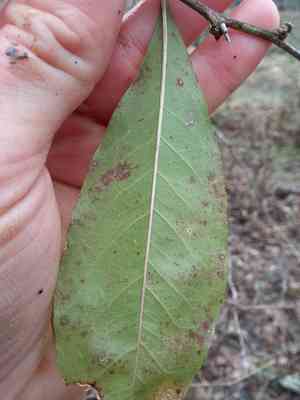
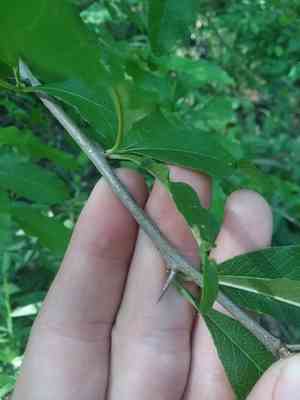
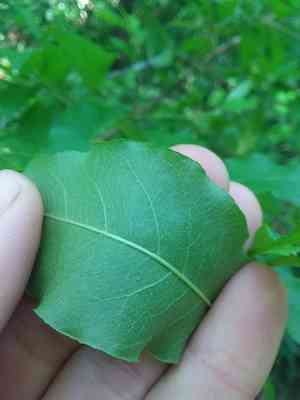
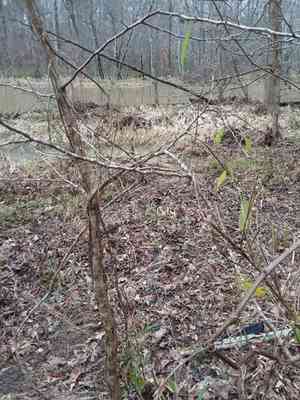
Quickly Identify Buckthorn bully
1
Tiny white flowers in star-like clusters
2
Smooth oval berries changing from red to purplish-black
3
Thorny stems with milky sap exudation
4
Shiny green leaves with wedge-shaped base and pointed tip
5
Bark transitioning from smooth to scaly, revealing red inner layers
Scientific Classification of Buckthorn bully
Phylum
Vascular plants
Class
Dicotyledons
Order
Ericales
Family
Sapodilla
Genus
Bully trees
Species
Buckthorn bully
Planting and Growing of Buckthorn bully
Care Difficulty
Easy
Watering Schedule
Every 2 days
Sunlight Requirements
Full sun
Sunshine Duration
6-10 hours
Ideal Temperature
60-75℉
Soil Type
Potting Mix, Peat Mix
Soil pH
6.5-7.5
Fertilizer Type
Balanced
Pruning Season
Spring, Summer
Pruning Area
Branches, Leaves
Pruning Frequency
2 times a year
Repotting Season
Spring
Pot Type
Plastic, Ceramic
 How to Water Buckthorn bully?
When watering Sideroxylon lycioides, aim to provide around 500 milliliters of water each time. The soil should be allowed to dry out between watering sessions to prevent root rot. Water until the soil is evenly moist, but not waterlogged, ensuring excess water drains away.
What are the symptoms of an underwatered Buckthorn bully?
›
What should I do if my Buckthorn bully is not getting enough water?
›
What are the symptoms of an overwatered Buckthorn bully?
›
How to save an overwatered Buckthorn bully?
›
 What Are the Sunlight Requirements for Buckthorn bully?
The plant thrives best in full sun environments but can tolerate partial sun. Ideal lighting promotes healthy foliage, enabling better flowering and disease resistance.
What are the ideal lighting conditions?
›
How to maintain ideal conditions?
›
What benefits come from ideal lighting?
›
 What Is the Ideal Temperature Range for Buckthorn bully?
Sideroxylon lycioides thrives best when the ambient temperature is consistently within 60 to 75°F. This range mimics its native subtropical environment, allowing it to maximize photosynthesis and minimize stress. As a result, the plant is able to maintain a robust growth rate and optimal health.
 What Soil is Best for Buckthorn bully?
Sideroxylon lycioides thrives in soil that offers good drainage. Well-draining soil prevents waterlogging, which is critical to avoid root rot and ensures that the roots get necessary airflow. This plant benefits from nutrient-rich soil that supports its growth and vitality. The availability of essential nutrients aids in vigorous leaf production and overall health. While good drainage is crucial, the soil should also retain enough moisture to sustain the plant between watering. This balance promotes healthy development and resilience to drought conditions.
 How to Fertilize Buckthorn bully?
Sideroxylon lycioides responds well to a balanced blend of nutrients; typically, using a liquid fertilizer diluted to half strength is recommended. Apply approximately 100-150 ml per plant, ensuring uniform coverage around the root zone.
 How to Prune Buckthorn bully?
Begin by inspecting the tree for any damaged or diseased branches, these should be removed first. Use clean, sharp pruning shears to make clean cuts at a slight angle. Aim to open up the canopy by thinning out dense areas, allowing sunlight to penetrate and air to circulate. Always cut back to a branch or bud that faces the direction you want new growth to occur. Remember to step back periodically to assess the overall shape and balance of the tree.
More About Pruning Techniques→
 How to Propagate Buckthorn bully plant?
1
Begin by soaking the seeds in warm water for 24 hours to soften the seed coat and enhance germination rates. After soaking, plant the seeds in a seed tray filled with a well-draining mix and cover lightly.
2
Select healthy, disease-free stems and cut a 4-6 inch section just below a node. Remove the lower leaves and dip the cut ends in rooting hormone to stimulate root development.
3
Insert the cuttings into pots filled with moist propagation mix. Water the mix lightly to settle it around the cutting. Cover with a plastic dome or bag to maintain humidity and place in a warm area with indirect sunlight.
 How to Repot Buckthorn bully plant?
1
Sideroxylon lycioides typically needs repotting when you notice roots emerging from the drainage holes, or if growth becomes stunted and leaves start yellowing. Repotting in spring or autumn can help minimize stress on the plant.
2
Select a pot one size larger than the current one, ensuring it has adequate drainage holes. A slightly larger pot allows roots to spread comfortably, preventing root rot and promoting healthy growth.
3
A loamy, well-draining soil mix is essential. This type of soil provides the necessary balance of moisture retention and aeration, which is crucial for preventing waterlogging while delivering essential nutrients.
Learn More About Buckthorn bully Diseases
Anthracnose
Bacterial Leaf Spot
Bacterial Soft Rot
Bacterial Wilt
Black Spot
Chemical Injury
Crown Gall
Cyst Nematode
Damping-off
Drought Stress
Fusarium Wilt
Gray Mold
Leaf Curl
Leaf Spot
Mosaic
Nutrient Deficiency
Nutrient Toxicity
Powdery Mildew
Root Rot
Root-knot Nematode
Rusts
Sooty Mold
Spider Mites
Temperature Stress
Thrips Damage
White Mold



