How to Transplant Setaria plicata?
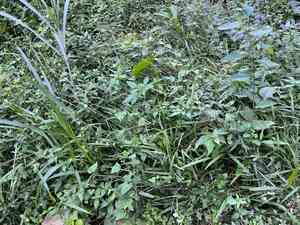
Setaria plicata, an annual species, flourishes when relocated from the invigorating start of spring to the tranquil close of autumn. Provide a bright spot with adequately draining earth to encourage peak development.
What Preparations are Necessary Before Relocating Setaria Plicata?
What is the Optimal Period for Moving Setaria Plicata?
The best time for relocating setaria plicata spans from the beginning of early spring through the end of late spring, and similarly from early fall to late fall. This timing promotes excellent root development in moderate temperatures, preventing heat damage and encouraging vigorous growth. Transplanting during these seasons maximizes soil moisture retention and improves nutrient uptake, vital for an annual plant's progress.
How Much Space Should You Provide Between Setaria Plicata Plants?
When relocating setaria plicata, ensure each plant is positioned 12-18 inches (30-45 cm) apart. This will allow ample room for them to grow and spread naturally without becoming overcrowded.
What is the Ideal Soil Mixture for Setaria Plicata Relocation?
For setaria plicata, prepare soil that drains well, ideally sandy or loamy. Enhance it with a balanced foundational fertilizer, such as a 10-10-10 (N-P-K) mix, to supply essential nutrients.
Where Should You Move Your Setaria Plicata?
Select a sunny location for setaria plicata, where the plant can receive a minimum of 6 hours of direct sunlight daily. This guarantees optimal development and vitality.
What Tools Should You Prepare Before Relocating Setaria Plicata?
Gardening Gloves
To safeguard your hands while handling soil and the plant.
Shovel or Spade
For excavating around the plant and preparing the new planting site.
Trowel
Useful for moving smaller plants and for precise digging near root systems.
Watering Can or Hose
To hydrate the plant and maintain soil moisture.
Wheelbarrow
To transport the setaria plicata plant from its initial spot to the new location.
How Do You Extract Setaria Plicata from the Ground?
How Do You Extract Setaria Plicata from the Ground?
From Ground: First, moisten the setaria plicata plant to dampen the soil. Next, dig a wide trench around the plant using a shovel or spade, ensuring the plant's root ball remains intact. Carefully work the spade beneath the root ball to lift the plant from its original position.From Pot: Thoroughly water the setaria plicata plant to loosen the soil. Gently hold the base of the plant and invert the pot. Tap the sides and bottom of the pot to release the soil and roots. Carefully pull the plant out by its base.From Seedling Tray: Water the seedlings to facilitate their removal. Use a trowel or your fingers to gently scoop under each setaria plicata seedling, making sure to preserve as much of the root system as possible. Lift the seedlings out with care.
Step-by-Step Guide for Relocating Setaria Plicata
Site Preparation
Choose a well-drained area free of weeds and debris. Prepare the planting hole to be about twice the width of the setaria plicata's root ball and equally deep.
Soil Enhancement
Loosen the soil in the hole with a shovel and, if needed, amend it with organic matter such as compost to improve soil quality.
Plant Positioning
Place the setaria plicata in the hole, ensuring the top of the root ball is level with the surrounding ground. Gently spread out the roots if they are densely packed.
Backfilling
Refill the hole with soil, pressing down gently to remove air pockets. Confirm the plant is upright and not leaning.
Initial Watering
Thoroughly water the setaria plicata after planting to settle the soil around the roots and provide essential moisture.
How Do You Care For Setaria Plicata After Relocation?
Watering
Keep the soil around the setaria plicata consistently moist, but not waterlogged, for the initial few weeks post-transplant to aid in establishing strong roots.
Mulching
Apply a 2-3 inch layer of mulch around the plant's base to retain soil moisture and suppress weeds.
Monitoring
Regularly inspect the setaria plicata for signs of distress such as wilting leaves or yellowing. Adjust watering and care practices as necessary to ensure healthy growth.
Support
Consider using stakes or supports if the setaria plicata is top-heavy or susceptible to wind damage.
Troubleshooting Common Issues with Setaria Plicata Relocation.
When is the best time to move setaria plicata?
The optimal periods for relocating setaria plicata are from early to late spring or early to late fall.
How do I prepare the soil for setaria plicata?
Ensure well-draining soil enriched with compost. The pH should be neutral to slightly acidic.
What spacing should I use when planting setaria plicata?
Space them 12-18 inches (30-45 cm) apart to ensure proper airflow and growth.
How do I reduce transplant shock for setaria plicata?
Water the plants thoroughly before and after relocating and avoid disturbing the roots.
What should I do if setaria plicata wilts after relocating?
Check soil moisture and water deeply. Wilting can also be a sign of transplant shock, which usually resolves in a few days.
How should I water setaria plicata after relocating?
Water generously immediately after relocating and keep the soil moist but not waterlogged.
What kind of sunlight does setaria plicata need after relocating?
Setaria plicata prefers full sun to partial shade. Ensure they get at least 6 hours of sunlight.
Should I fertilize setaria plicata immediately after relocating?
Wait a couple of weeks before applying a balanced fertilizer to avoid root burn.
How do I know if setaria plicata is ready for relocating?
Relocate setaria plicata when they have at least 2-3 sets of true leaves and the roots are established.
What temperature is best for relocating setaria plicata?
Relocate when temperatures are between 55-70°F (13-21°C) to ensure optimal growth and minimal stress.



