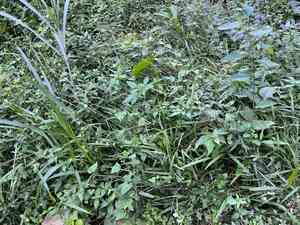
Setaria plicata (Setaria plicata)
Also known as: Boerhavia Grass
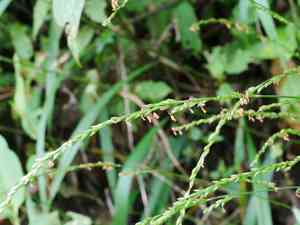
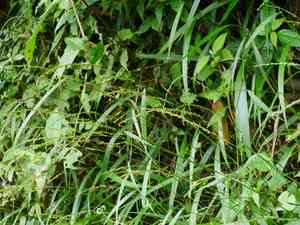
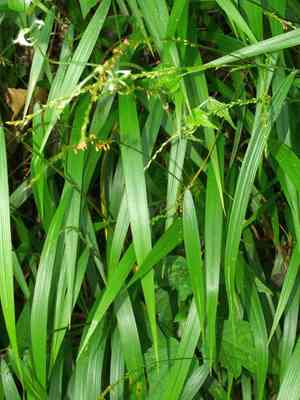
Setaria plicata, a perennial grass, is characterized by its tufted, pleated leaves and narrow, bristly flower spikes. These folded leaves give it a unique pleated look and may help in conserving moisture. The plant is commonly found in open grasslands and areas with moderate disturbance. Its robust root system ensures a firm grip on the soil, aiding its resilience. The bristly flower spikes facilitate seed dispersal by attaching to animals, enhancing its spread in various climates. These features collectively provide Setaria plicata with a competitive edge in its natural habitat.
In This Article
Attributes of Setaria plicata
Lifespan
Annual
Plant Type
Grass
Plant Height
30-100 cm
Spread
N/A
Leaf Color
Green
Flower Size
Small and inconspicuous
Flower Color
Green to brownish
Images of Setaria plicata

Quickly Identify Setaria plicata
1
Setaria plicata can be identified by its distinctive leaves which have a plicated (folded) structure, its erect, unbranched stems, and its characteristic inflorescence which forms a terminal panicle.
Scientific Classification of Setaria plicata
Phylum
Vascular plants
Class
Monocotyledons
Order
Poales
Family
Grass
Genus
Bristle grasses
Species
Setaria plicata
Planting and Growing of Setaria plicata
Care Difficulty
Easy
Watering Schedule
Every 3 days
Sunlight Requirements
Partial sun
Sunshine Duration
4-8 hours
Ideal Temperature
68-77℉
Soil Type
Potting Mix, Peat Mix
Soil pH
6.5-7.5
Fertilizer Type
Balanced
Pruning Season
Spring, Summer
Pruning Area
Branches, Leaves
Pruning Frequency
2 times a year
Repotting Season
Spring
Pot Type
Terracotta, Plastic
 How to Water Setaria plicata?
For Setaria plicata, it's crucial to keep the soil moist but not waterlogged. Generally, 250 ml is suitable, ensuring the top inch of soil feels damp. Water until it begins to drain from the bottom of the pot to prevent water from sitting in the soil, which could lead to root rot.
What are the symptoms of an underwatered Setaria plicata?
›
What should I do if my Setaria plicata is not getting enough water?
›
What are the symptoms of an overwatered Setaria plicata?
›
How to save an overwatered Setaria plicata?
›
 What Are the Sunlight Requirements for Setaria plicata?
Setaria plicata thrives in partial sun conditions, ideally receiving 4-6 hours of sunlight each day. This light range promotes balanced growth and healthy foliage development, reducing the risk of stress-induced diseases.
How much sunlight does Setaria plicata ideally need?
›
What is a practical way to ensure Setaria plicata gets the right light?
›
What are the benefits of ideal lighting for Setaria plicata?
›
 What Is the Ideal Temperature Range for Setaria plicata?
For optimal growth, Setaria plicata thrives best within a temperature range of 68°F to 77°F. This range allows the plant to carry out essential physiological processes efficiently. Maintaining this range facilitates photosynthesis, transpiration, and nutrient uptake, ensuring vigorous plant growth and development.
 What Soil is Best for Setaria plicata?
Setaria plicata thrives in nutrient-rich soil that enhances its growth and vigor. Ample nutrients ensure lush foliage and robust stalks, making the plant more resilient to pests and diseases. This plant benefits from well-drained soil that prevents waterlogging. Proper drainage is crucial to avoid root rot, promoting healthy root systems and encouraging stronger plant structure. While good drainage is important, the soil should retain some moisture to support continuous growth. Consistent moisture helps Setaria plicata maintain its vibrant color and prevents wilting.
 How to Fertilize Setaria plicata?
For Setaria plicata, an appropriate amount of liquid fertilizer is crucial. It requires a diluted solution, approximately a quarter of the recommended dose, to avoid overwhelming the plant. One to two gallons of water with the diluted fertilizer suffices, ensuring that the roots absorb the nutrients without any risk of burning or nutrient run-off.
 How to Prune Setaria plicata?
Carefully examine the plant to find any stems that appear brown or are lacking vitality. These should be the first to be removed to encourage healthier growth. Trim Setaria plicata to maintain a pleasing shape while ensuring adequate airflow between stems. This helps to prevent fungal infections by allowing the plant to dry out more evenly. Make cuts above a leaf node to promote new growth. Cutting at the right point can help the plant to produce more side shoots, leading to a fuller appearance.
 How to Propagate Setaria plicata plant?
1
Collect seeds from mature Setaria plicata plants during late autumn. Ensure seeds are fully developed and dry them properly before storage or planting for better germination rates.
2
Mix well-draining soil with compost to enhance fertility. Ensure the soil pH is neutral to slightly acidic for optimal growth conditions, which supports healthier plant development.
3
Sow seeds or divide existing plants in shallow holes. Water the soil sufficiently but avoid overwatering, which can lead to root rot. Maintain consistent moisture to support early growth stages.
 How to Repot Setaria plicata plant?
1
Setaria plicata should be repotted when you observe significant root growth out of the drainage holes or if the growth has slowed down considerably. These are signs that the current pot is no longer sufficient for the plant.
2
Select a pot that is one size larger than the current one with proper drainage holes. This ensures that as the plant grows, its roots have enough space to spread out and support its development, while preventing water logging.
3
Opt for a well-draining potting mix to avoid water retention, which could lead to root rot. A mixture containing peat, perlite, and sand is ideal, promoting healthy growth and preventing diseases.



