How to Transplant Black cutch?
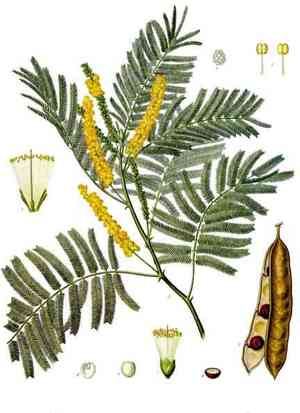
Black cutch flourishes most effectively when relocated from the beginning to the middle of spring, benefiting from mild temperatures and plentiful precipitation. It is perfectly suited for areas receiving full sun or partial shade, provided the soil drains efficiently. Take care to disturb the roots as little as possible to encourage the best development.
Preparations Required Before Relocating Black Cutch?
Optimal Period for Moving Black Cutch?
The best time to move black cutch is from early to mid-spring. This timeframe offers several advantages: the ground is moist, facilitating root establishment; temperatures are mild, reducing plant stress; and it precedes the most active growth phase, ensuring vigorous development.
Recommended Spacing Between Black Cutch Plants?
Ensure each black cutch plant is positioned 20-30 feet (6-9 meters) apart to allow ample room for growth and flourishing. This distance prevents overcrowding and guarantees sufficient nutrients and sunlight for each specimen.
Ideal Soil Mixture for Black Cutch Relocation?
Prepare well-draining soil enriched with organic compost or manure to create a fertile base for black cutch. A slightly acidic to neutral pH range (6.0-7.0) is most suitable. Incorporate a balanced base fertilizer to support initial development.
Where to Replant Your Black Cutch?
Select a site that receives full sun, meaning at least 6-8 hours of direct sunlight daily. Ensuring black cutch gets abundant sunlight will promote robust growth and vibrant foliage.
Equipment Needed Before Transplanting Black Cutch?
Gardening Gloves
To safeguard your hands while handling soil and the plant.
Shovel or Spade
For excavating around the plant and the new planting location.
Trowel
Useful for smaller, more precise digging tasks.
Watering Can or Hose
For hydrating the plant before and after its relocation.
Pruners
To trim any dead or damaged roots or stems prior to transplanting.
Burlap or Plastic Sheeting
To wrap the root ball during transportation.
Mulch
To cover the soil surface post-transplant to aid in moisture retention.
How to Extract Black Cutch from the Ground?
How to Extract Black Cutch from the Ground?
From Ground: First, hydrate the black cutch plant to moisten the soil. Then, excavate a wide trench around the plant using a shovel or spade, ensuring the plant's root ball remains intact. Carefully maneuver the spade beneath the root ball to lift the plant from its original spot.From Pot: Thoroughly water the black cutch plant. Gently tap the pot's sides to loosen the soil. Carefully tilt the pot and slide the plant out, supporting the root ball with your hand.From Seedling Tray: Water the seedlings to make the soil damp. Gently squeeze the cell's bottom to loosen the soil. Using a trowel or your fingers, lift the seedling from the tray, taking care not to harm the roots.
Step-by-Step Guide for Relocating Black Cutch
Site Preparation
Select a location with adequate sunlight and space for your black cutch plant to reach its mature size. Dig a hole that is twice as wide and the same depth as the black cutch's root ball.
Soil Preparation
Loosen the soil at the base and sides of the hole. Amend the soil if necessary, based on the specific requirements of black cutch.
Plant Placement
Position the black cutch plant in the hole at the identical depth it was previously growing. The top of the root ball should be level with the surrounding soil. Gently spread the roots if they are tightly coiled.
Backfilling
Refill the hole with soil, gently pressing down to eliminate air pockets. Ensure the plant is stable and upright.
Watering
Thoroughly water the black cutch plant immediately after transplanting to settle the soil around the roots.
Mulching
Apply a layer of mulch around the plant's base to help retain soil moisture and regulate temperature.
Post-Transplant Care for Black Cutch?
Watering
Keep the soil around the black cutch consistently moist, but not waterlogged, for the initial weeks after transplanting to aid in strong root establishment.
Mulching
Maintain a mulch layer around the plant, ensuring it does not directly touch the stem to prevent rot.
Monitoring
Regularly check for signs of stress such as wilting or yellowing leaves, and adjust care as needed.
Protection
Shield the plant from strong winds or extreme weather conditions using temporary windbreaks or shade cloths if necessary.
Pruning
Remove any damaged or dead branches to encourage healthy growth and reduce plant stress.
Addressing Common Issues with Black Cutch Transplantation.
When is the best time to move black cutch?
Early to mid-spring is ideal for relocating black cutch for optimal growth and health.
What spacing should I maintain between each black cutch?
Ensure each black cutch is spaced 20-30 feet (6-9 meters) apart for proper development.
How deep should I dig the hole for planting black cutch?
Excavate a hole twice as wide and as deep as the black cutch's root ball.
Should I amend the soil when transplanting black cutch?
Utilize well-draining soil and consider adding compost to enhance soil fertility for black cutch.
How do I prepare black cutch for transplanting?
Water black cutch thoroughly a day before transplanting to minimize transplant shock.
How much water does black cutch need after transplanting?
Water black cutch deeply twice weekly for the first month post-transplant to establish roots.
What should I do if black cutch shows signs of transplant shock?
Mulch around black cutch and provide shade for a few days to alleviate stress.
Is it necessary to stake black cutch after transplanting?
Stake black cutch if in a windy area to provide stability until it is established.
Can I fertilize black cutch immediately after transplanting?
Wait several weeks after relocating black cutch before applying any fertilizer to prevent root burn.
How do I protect black cutch from pests after transplanting?
Monitor black cutch regularly and use organic pesticides if necessary to keep pests at bay.



