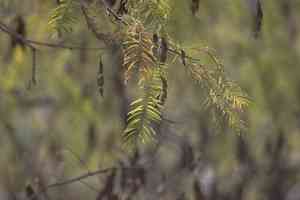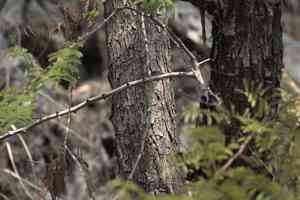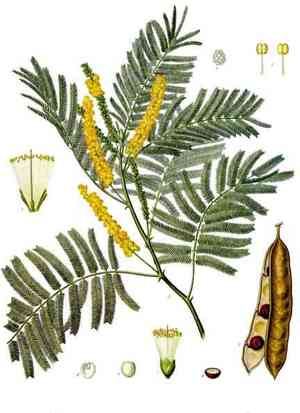
Black cutch(Senegalia catechu)

Black cutch (Senegalia catechu)

Also known as: Catechu

Certainly! Here’s a revised answer with substantial differences:

The black cutch tree, or Acacia catechu, is a deciduous species recognized for its dark, fissured bark and occasional thorns. Its foliage is bipinnate, featuring numerous tiny leaflets, and it produces small, yellowish flowers arranged in cylindrical spikes. This tree thrives in tropical and subtropical regions and is well-adapted to dry conditions, making it valuable for soil erosion control.

### Uses:
1. **Natural Dye**: The heartwood yields catechu, a substance used for dyeing textiles.
2. **Traditional Medicine**: Employed in remedies for throat ailments and digestive issues.
3. **Wood**: Its hard, dense wood is ideal for crafting durable furniture and construction materials.
4. **Fodder**: Leaves and pods are nutritious fodder for livestock.

The black cutch tree is notable for its resilience in harsh climates and its diverse applications in medicine, dye production, and agriculture.

Attributes of Black cutch

Lifespan
Perennial
Plant Type
Tree
Plant Height
10-15 meters
Spread
6-10 meters
Leaf Color
Green
Flower Size
Small, typically 5-6 mm
Flower Color
Yellow or white

ForwardPlant - Identify plants with a snap

Identify and diagnose plants, get toxicity alerts, and explore safety guides for all types of fungi.

Try for Free

Images of Black cutch

Black cutch(Senegalia catechu)

Quickly Identify Black cutch

1
The tree can be identified by its thin, feathery leaves and its dark grey or brown, rough bark. It has small, fragrant yellow or white flowers and produces a pod-like fruit that contains multiple seeds.

Scientific Classification of Black cutch

Phylum
Vascular plants
Class
Dicotyledons
Order
Fabales
Family
Legume
Genus
Senegalia
Species
Black cutch

Planting and Growing of Black cutch

Care Difficulty
Moderate
Watering Schedule
Every 2 days
Sunlight Requirements
Full sun
Sunshine Duration
6-10 hours
Ideal Temperature
68-86℉
Soil Type
Potting Mix, Peat Mix
Soil pH
6.5-7.5
Fertilizer Type
Balanced
Pruning Season
Spring, Summer
Pruning Area
Branches, Leaves
Pruning Frequency
2 times a year
Repotting Season
Spring
Pot Type
Plastic, Ceramic

water icon How to Water Black cutch?

Senegalia catechu requires moderate watering where 500 ml per session is optimum. Ensure the soil is evenly moist but not waterlogged. The top layer should dry out between waterings to promote healthy root growth.
What are the symptoms of an underwatered Black cutch? ›
What should I do if my Black cutch is not getting enough water? ›
What are the symptoms of an overwatered Black cutch? ›
How to save an overwatered Black cutch? ›

sunlight icon What Are the Sunlight Requirements for Black cutch?

Sunlight Requirements: Full sun, Partial sun
Duration of light: 6-8 hours daily
Senegalia catechu flourishes with 6-8 hours of full sun, vital for vigorous growth and effective catechu production, bolstering its utility and vigor.
What is the ideal amount of sunlight for Senegalia catechu? ›
How can I ensure Senegalia catechu gets ideal sunlight conditions? ›
What benefits can Senegalia catechu gain from ideal sunlight conditions? ›

temperature icon What Is the Ideal Temperature Range for Black cutch?

Ideal Temperature: 68 ~ 86℉
Senegalia catechu thrives best within ideal temperatures ranging from 68°F to 86°F. This range supports optimal growth and health, ensuring the plant can carry out proper photosynthesis, nutrient uptake, and metabolic processes efficiently.

soil icon What Soil is Best for Black cutch?

Soil type: Sandy soil, Loam, Sandy loam
Soil PH: 6.5 ~ 7.5
Senegalia catechu thrives best in well-draining soil, which prevents root rot by allowing excess water to escape efficiently. This attribute helps ensure the plant's roots receive adequate oxygen, minimizing risks of disease and promoting lush growth. The plant benefits from soil rich in nutrients, which supports robust development. Enrichment with organic matter or compost boosts growth by providing essential elements, ensuring the plant flourishes in its environment. While good drainage is vital, the soil should still retain enough moisture to sustain the plant during dry periods. This balance aids in preventing drought stress and ensures consistent growth through various seasons.

fertilize icon How to Fertilize Black cutch?

Fertilizer type: Balanced
When fertilizing Senegalia catechu, it is crucial to apply the appropriate amount to promote healthy growth. For liquid fertilizers, use one tablespoon per gallon of water. When using slow-release fertilizers, apply about 50 grams per plant, evenly distributed around the root zone, ensuring the nutrients reach the entire root system.

prune icon How to Prune Black cutch?

Pruning Time: Spring, Summer
Aim to shape the tree by thinning overcrowded branches. Trim back any branches that cross or rub against each other to prevent damage and increase sunlight penetration. Understand the natural growth pattern of Senegalia catechu. Prune branches that tend to overshadow others and reduce the density of the canopy to maintain balance.

propagate icon How to Propagate Black cutch plant?

Propagate Time: Spring, Early summer
1
To propagate Senegalia catechu via seeds, collect mature seeds, and soak them in water overnight to enhance germination. Sow the seeds in a seed tray filled with well-draining soil. Keep the tray in a warm location and water gently to maintain adequate moisture.
2
Select healthy, semi-hardwood cuttings from the parent plant. Use pruning shears to make a clean cut below the node. Remove lower leaves to reduce transpiration, leaving a few on top for photosynthesis.
3
To graft Senegalia catechu, choose a suitable rootstock and a compatible scion. Make precise cuts to align their cambium layers. Secure the union with grafting tape and place it in a humid environment to promote healing and growth.

repot icon How to Repot Black cutch plant?

Repotting frequency: Every 2-3 years
1
Repot Senegalia catechu when you notice roots emerging from the drainage holes or when the plant's growth appears stunted. This typically suggests the roots have outgrown the current pot. Spring is ideal, as the plant is actively growing and best equipped to handle the stress.
2
Select a pot that is one size larger than the current one and has adequate drainage holes. This ensures the roots have ample space to expand while preventing waterlogging, which can lead to root rot. Terra cotta pots are an excellent choice for breathability.
3
Use a well-draining sandy soil mix rich in organic matter to mimic Senegalia catechu's natural habitat. This kind of mixture ensures good drainage and root aeration, promoting healthy growth and preventing overwatering issues.

ForwardPlant - Identify plants with a snap

Find the best spots for them to optimize their health, simply using your phone.

Try for Free