How to Transplant Goat pea?
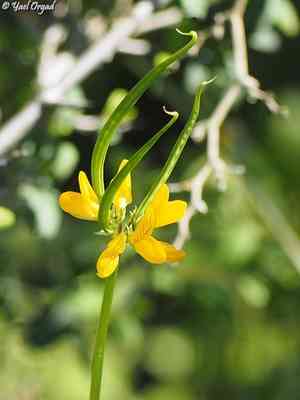
Relocate goat pea during the mildly illuminated periods of late spring through the pleasant midsummer, or within the mild embrace of late autumn into early winter. Choose a brightly lit location with soil that drains effectively to foster vigorous development.
What Preparations are Needed Before Transplanting Goat Pea?
What is the Ideal Time for Transplanting Goat Pea?
The best times to move goat pea are during the revitalizing periods of late spring to mid-summer, or the recuperative late fall into early winter. Transplanting at these times takes advantage of moderate temperatures, which are vital for the root system of goat pea to settle in its new spot. This timing also typically provides sufficient rainfall, aiding root growth and lessening the stress of relocation. A well-timed transplanting effort ensures a robust goat pea ready to flourish in the upcoming season.
How Much Space Should You Leave Between Goat Pea Plants?
When preparing to plant your goat pea, remember that each individual requires its own area. Aim to position them approximately 15-18 inches (38-45 cm) apart. This provides ample room for their roots to expand and for them to thrive!
What is the Best Soil Mix for Goat Pea Transplanting?
For your goat pea to flourish, proper soil preparation is essential! Select well-draining soil and incorporate a balanced, slow-release fertilizer as an initial nutrient boost. This creates a comfortable and nutrient-rich environment for your young plants.
Where Should You Relocate Your Goat Pea?
Your goat pea enjoys absorbing sunlight! Choose a bright location where they can receive at least 6 to 8 hours of direct sun daily. This sun-drenched spot will help your green companions grow strong and healthy.
What Equipments Should You Prepare Before Transplantation Goat Pea?
Gardening Gloves
To safeguard your hands while handling soil and plants.
Shovel or Spade
For excavating the goat pea from its original site without harming the roots.
Garden Trowel
For more precise digging around roots or placing in the new hole.
Watering Can or Hose
To hydrate the goat pea both prior to removal and after planting.
Pruners or Scissors
To trim any damaged roots or foliage before the transplanting process.
Measuring Tape
To assist in accurately spacing the new planting locations.
Wheelbarrow or Garden Cart
For moving the goat pea and any soil amendments or mulch to the new site.
How Do You Remove Goat Pea from the Soil?
How Do You Remove Goat Pea from the Soil?
From Ground: Hydrate the goat pea to moisten the soil, facilitating easier extraction. Using a shovel or spade, dig a wide perimeter around the plant, going deep enough to encompass the entire root ball. Angle the tool beneath to gently lift the plant from the ground.From Pot: Thoroughly water the goat pea, allowing the root ball to become saturated. Turn the container on its side and gently tap to loosen the plant. Carefully ease the plant out, supporting the stem and root ball, to minimize plant stress.From Seedling Tray: Dampen the soil to simplify removal. Gently press from the bottom of the tray to elevate the seedling. Hold the soil surrounding the rootball or the seedling by its cotyledon leaves (the initial set of leaves), not the delicate stem.
Step-by-Step Guide for Transplanting Goat Pea
Preparation
Gather all necessary tools and ensure the new planting site is ready for the goat pea's relocation.
Watering Pre-Removal
Water your goat pea several hours before starting to lessen transplant shock and help keep the root ball intact.
Digging Out
Using the appropriate removal technique, carefully excavate the goat pea, aiming to preserve as much of the root ball as possible.
Transplant Hole
At the new spot, dig a hole that is twice as wide and the same depth as the goat pea's root ball to allow for growth.
Placing the Plant
Lower the goat pea into the hole, ensuring it is planted at the identical depth as its previous location. The top of the root ball should be level with the ground surface.
Refilling the Hole
Gently backfill the area around the root ball with soil, lightly firming it down as you go to eliminate any air pockets.
Watering After Planting
Water the goat pea generously post-planting to settle the soil and hydrate the roots. The soil should be moist but not waterlogged.
Mulching
Apply a layer of organic mulch around the base of the goat pea to retain moisture and suppress weeds, making sure it doesn't touch the stem or leaves.
How Do You Care For Goat Pea After Transplanting?
Regular Watering
Ensure the soil surrounding the goat pea stays consistently moist throughout the growing season, particularly in the initial weeks following transplantation.
Mulch Monitoring
Keep the mulch layer replenished to maintain moisture and provide temperature insulation for the root system.
Pruning
Trim any dead or damaged stems and leaves to encourage healthy growth and improve air circulation around the goat pea.
Monitoring for Pests
Regularly inspect the goat pea for indications of pests or disease and take prompt action if any issues arise.
Troubleshooting Common Issues with Goat Pea Transplantation.
Why is my goat pea wilting after transplantation?
Wilting after moving goat pea can be due to shock. Ensure careful handling and sufficient water until it's established. Keep soil moist but not saturated.
How do I choose the best time to transplant goat pea?
It's ideal to transplant goat pea from late spring to mid-summer or late fall to early winter, allowing roots to establish in mild temperatures.
What is the ideal spacing for goat pea when transplanting?
Providing goat pea ample room to grow is essential. Space them approximately 15-18 inches (38-45 cm) apart.
How deep should I plant goat pea when transplanting?
Plant goat pea at the same depth it was in its previous container to prevent stem rot.
Can I transplant goat pea in full sunlight?
Yes, goat pea thrives in full sunlight, but ensure the soil remains consistently moist after transplant for better root establishment.
What soil type is best for transplanting goat pea?
Transplant goat pea into well-drained, fertile soil to promote robust root development.
How much water does goat pea require after transplanting?
After transplantation, water goat pea thoroughly to settle the soil around the roots, and maintain moist soil without waterlogging.
Should I fertilize goat pea immediately after transplanting?
Wait until goat pea is established before fertilizing, typically after 4-6 weeks, to avoid damaging delicate roots.
How can I protect goat pea from transplant shock?
Minimize root disturbance during transplantation, and provide shade and regular watering to reduce stress and help goat pea acclimate.
What signs indicate successful transplantation of goat pea?
Successful transplantation of goat pea is shown by new growth including leaves and stems, and an absence of wilting or yellowing.



