How to Transplant Brazilian fern tree?
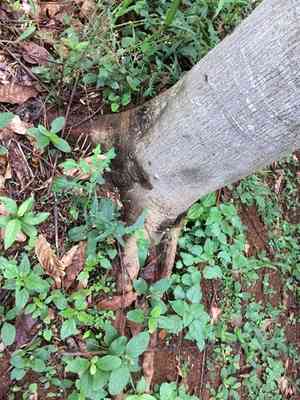
The ideal period for transplanting brazilian fern tree is during the warm embrace of summer, which guarantees robust development after the move. Select a bright location featuring soil that drains effectively, replicating its natural environment, and handle its root system delicately to avoid stress.
What Preparations are Needed Before Transplanting Brazilian Fern Tree?
What is the Ideal Time for Transplanting Brazilian Fern Tree?
The height of the warm season, with its consistent growth conditions, is the optimal period for relocating brazilian fern tree. This timeframe provides brazilian fern tree the warmth and extended daylight hours it needs for root development and establishment. Moving brazilian fern tree then, capitalizes on the season's natural advantages, such as accelerated growth and reduced transplant shock, ensuring your brazilian fern tree flourishes from the start. Utilize this transplanting window to give your brazilian fern tree the best possible beginning!
How Much Space Should You Leave Between Brazilian Fern Tree Plants?
For brazilian fern tree, ensure a spacing of approximately 3-5 feet (about 90-150 cm) between plants when transplanting. This allows ample room for development and guarantees each plant receives adequate nutrients, light, and air circulation.
What is the Best Soil Mix for Brazilian Fern Tree Transplanting?
Prepare a well-draining soil enriched with aged compost or other organic matter as a foundational fertilizer for brazilian fern tree. This plant prefers nutrient-rich soil, aiding in healthier and stronger growth.
Where Should You Relocate Your Brazilian Fern Tree?
Select a sunny spot with some partial shade for brazilian fern tree. While these plants appreciate abundant sunlight, ensure they also receive periods of shade to prevent sun damage.
What Equipments Should You Prepare Before Transplantation Brazilian Fern Tree?
Gardening Gloves
To safeguard your hands from any sharp edges or abrasive soil particles.
Shovel
To excavate the brazilian fern tree from its current spot or dig a hole at the new planting site.
Garden Fork
This is particularly useful if the brazilian fern tree is growing in compacted soil, making it difficult to remove.
Bucket
For transporting the brazilian fern tree sapling from its original location to the new one.
Wooden Stakes
To provide support for the brazilian fern tree as it adapts to its new environment, especially beneficial for larger specimens.
Watering Can
To hydrate the brazilian fern tree before and after transplantation, ensuring proper moisture levels.
Mulch
To cover the soil surface post-transplant and help maintain soil moisture.
Pruning Shears
To trim and remove dead leaves and branches from brazilian fern tree prior to transplantation.
How Do You Remove Brazilian Fern Tree from the Soil?
How Do You Remove Brazilian Fern Tree from the Soil?
From Ground: Start by watering the brazilian fern tree to dampen the surrounding soil. This facilitates easier and less stressful extraction for the plant. Using a shovel, carefully dig around the plant, ensuring sufficient distance to avoid harming the root ball. Once a trench is formed around the plant, gently work the shovel beneath the root ball to lift it.From a Pot: Begin by watering the brazilian fern tree in its pot until water drains from the bottom hole. This ensures the plant is well-hydrated before the move. Then, gently tilt the pot sideways and tap it to loosen the root ball. You should be able to easily slide the plant out. Hold the plant at its base and carefully remove it from the pot.From a Seedling Tray: When taking a brazilian fern tree from a seedling tray, water it lightly to aid in easy removal. Then, gently separate individual cells or compartments, being careful not to damage the plant's delicate roots. Pull out the seedling by holding it at the base of the stem.
Step-by-Step Guide for Transplanting Brazilian Fern Tree
Removal Preparation
Water the brazilian fern tree generously the day before transplanting. This simplifies the plant removal process and enhances the plant's chances of survival during the move.
Dig Hole
At the transplanting site, dig a hole that is twice as wide and equally as deep as the root ball of brazilian fern tree. This provides ample space for the roots to spread and grow.
Plant Placement
Position the brazilian fern tree in the hole, ensuring it stands upright. The top of the root ball should be level with or slightly above the ground surface.
Backfill Hole
Gently refill the hole with native soil. Avoid using a different soil type, as this can create a barrier, causing water to accumulate in the planting hole.
Staking
If the brazilian fern tree is larger, temporary staking may be necessary to provide support until it establishes itself in the new location.
Watering and Mulching
After transplanting, water the brazilian fern tree and apply mulch around the plant's base to help retain moisture.
How Do You Care For Brazilian Fern Tree After Transplanting?
Watering
For the initial few weeks, water brazilian fern tree daily unless rainfall is sufficient. The soil should remain moist, but avoid overwatering. Gradually reduce watering frequency as the plant establishes.
Monitoring
Watch for wilting or yellowing leaves, as these can indicate transplant shock. In such cases, provide a diluted water-soluble fertilizer to aid recovery.
Pruning
Regularly trim dead leaves and branches to encourage healthy growth, but refrain from excessive pruning while the plant is recovering.
Support Removal
Remove any stakes or supports once the brazilian fern tree is stable and exhibiting new growth; this allows the plant to naturally strengthen its stem.
Pest Control
Regularly inspect the brazilian fern tree for any pests. Stressed plants, such as those recently transplanted, are more susceptible to pest infestations.
Troubleshooting Common Issues with Brazilian Fern Tree Transplantation.
What's the perfect moment in a year to transplant the brazilian fern tree?
The ideal time for transplanting brazilian fern tree is during the warm season, specifically between quarters 4 to 6 of the year.
How much spacing should I provide when planting the brazilian fern tree?
Allow ample room for brazilian fern tree to grow by placing them 3 to 5 feet or 0.9 to 1.5 meters apart.
Is it necessary to water brazilian fern tree immediately after transplanting?
Yes, it is advisable to water brazilian fern tree immediately after transplanting to lessen transplant shock and moisten its new environment.
What type of soils is suitable for transplanting brazilian fern tree?
Brazilian fern tree thrives in well-drained soil. Loamy, sandy, or clay soils with good drainage are beneficial for its development.
What to do if the transplanted brazilian fern tree wilts?
Wilting may indicate dehydration. Water the plant if the soil is dry and place it in an area with moderate sunlight.
What should be the depth of hole for transplanting brazilian fern tree?
The hole should be twice the width of the root ball and equally deep. Measurements can range from 1-2 feet or 30-60 cm.
How to prepare a brazilian fern tree for transplanting?
Begin by moistening the root ball of brazilian fern tree, then carefully remove it from its original pot without damaging the roots.
What if the brazilian fern tree yellow after transplanting?
Yellow leaves might suggest overwatering or nutrient deficiency. Reduce watering and ensure it receives adequate nutrients by adding compost or a slow-release fertilizer.
Can I transplant a mature brazilian fern tree?
Yes, but it is challenging and requires extra care. Younger plants have a higher chance of survival as they adapt to new environments more quickly.
Is it necessary to prune brazilian fern tree before transplanting?
Yes, a light pruning before transplanting can minimize stress on the roots and promote successful establishment in the new location.



