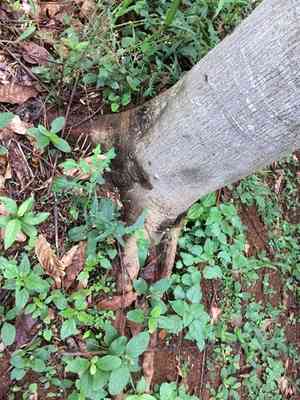
Brazilian fern tree (Schizolobium parahyba)
Also known as: Clog-wood
The plant produces numerous bright yellow flowers that are around 3.5 cm in diameter, blooming from fall to winter in the Southern Hemisphere, after the leaves have dropped. The fruit is a pod resembling a tadpole, approximately 10 cm in length, containing a single smooth, brown, oval seed.
In This Article
Attributes of Brazilian fern tree
Lifespan
Perennial
Plant Type
Tree
Plant Height
6 m to 12 m
Spread
5 m
Leaf Color
Green
Flower Size
2.5 cm to 5 cm
Flower Color
Yellow
Images of Brazilian fern tree
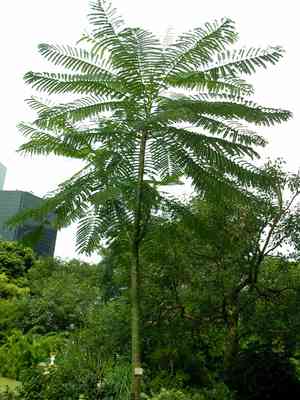
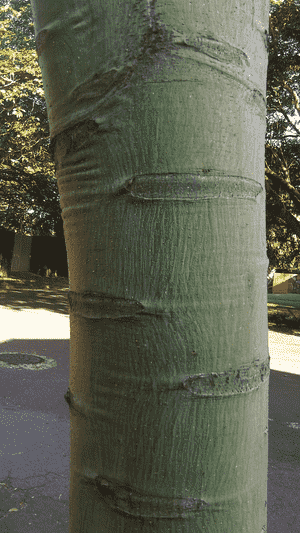
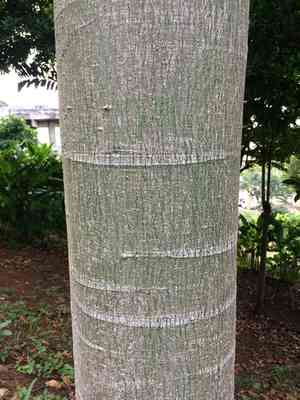
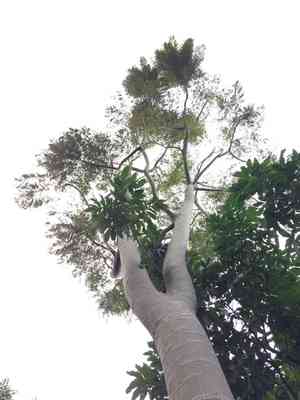
Quickly Identify Brazilian fern tree
1
Identify Schizolobium parahyba by its uniquely tall, slim trunk, which can be free of branches for much of its height. The leaves are large, bipinnate, and fern-like, giving it a distinctive appearance. The yellow flowers bloom in clusters.
Scientific Classification of Brazilian fern tree
Phylum
Vascular plants
Class
Dicotyledons
Order
Legumes, milkworts and allies
Family
Legume
Genus
Schizolobium
Species
Brazilian fern tree
Planting and Growing of Brazilian fern tree
Care Difficulty
Easy
Watering Schedule
Every 4 days
Sunlight Requirements
Full sun
Sunshine Duration
4-8 hours
Ideal Temperature
68-86℉
Soil Type
Potting Mix, Peat Mix
Soil pH
6.5-7.5
Fertilizer Type
Balanced
Pruning Season
Spring, Summer
Pruning Area
Branches, Leaves
Pruning Frequency
2 times a year
Repotting Season
Spring
Pot Type
Plastic, Ceramic
 How to Water Brazilian fern tree?
As Schizolobium parahyba prefers moist but well-draining soil, aiming for approximately 1000 milliliters per watering session is ideal. Ensure the entire root zone is moistened without waterlogging the soil to avoid root rot, ensuring balanced water distribution throughout the pot or ground space.
What are the symptoms of an underwatered Brazilian fern tree?
›
What should I do if my Brazilian fern tree is not getting enough water?
›
What are the symptoms of an overwatered Brazilian fern tree?
›
How to save an overwatered Brazilian fern tree?
›
 What Are the Sunlight Requirements for Brazilian fern tree?
Schizolobium parahyba thrives in partial to full sun, ideally receiving between 6 to 12 hours of daylight. This promotes robust growth, vibrant foliage, and optimal photosynthetic activity.
More About Sunlight Requirements Techniques→
Where should I place Schizolobium parahyba for optimal light?
›
How can I adjust Schizolobium parahyba's light exposure throughout the year?
›
What are the benefits of providing ideal light to Schizolobium parahyba?
›
 What Is the Ideal Temperature Range for Brazilian fern tree?
Schizolobium parahyba thrives best in temperatures ranging from 68°F to 86°F. This range supports its photosynthesis and metabolic activities, promoting healthy growth and robust development. Within this temperature window, the plant can efficiently absorb nutrients and maintain strong root and leaf systems. Ensuring constant temperatures in this ideal range minimizes stress and enhances resistance to pests and diseases.
 What Soil is Best for Brazilian fern tree?
Schizolobium parahyba thrives best in well-drained soil. This prevents waterlogging, which can damage the roots, and ensures that the plant receives adequate oxygen and nutrients. Proper drainage promotes healthy growth and reduces the risk of root diseases. This tree benefits from soil abundant in organic matter, providing it with essential nutrients for robust growth. Nutrient-rich soil supports the development of lush foliage and enhances the tree’s ability to withstand environmental stresses. While Schizolobium parahyba is flexible, preferring slightly acidic to neutral soils with a pH range of 6.5 to 7.5, it ensures optimal nutrient availability and enhances microbial activity that supports plant health and growth.
 How to Fertilize Brazilian fern tree?
Schizolobium parahyba is a fast-growing tree that demands a balanced fertilization approach. Use about 100 grams of a balanced granular fertilizer per plant, spread evenly around the base. Liquid fertilizers should be diluted to a quarter strength, avoiding root burn while ensuring nutrient absorption.
 How to Prune Brazilian fern tree?
Begin by inspecting the tree for any dead or damaged branches, and remove them carefully. Use clean, sharp pruning shears to make clean cuts that do not injure the bark. Focus on thinning crowded areas within the canopy to enhance airflow and light penetration. Ensure to also trim away any suckers or water sprouts that may sap energy from the main branches. When cutting, aim for just above a node or branch collar to encourage proper healing and regrowth. It is essential to step back periodically during the process to assess the overall shape and balance of the tree, ensuring an even, attractive form.
More About Pruning Techniques→
 How to Propagate Brazilian fern tree plant?
1
Collect mature seeds from a healthy Schizolobium parahyba tree during spring. Ensure seeds are fully developed and have naturally detached from the pods.
2
Soak seeds in warm water for 24 hours to soften the seed coat and enhance germination. This process helps in breaking dormancy and encourages quicker sprouting.
3
Place seeds in a lightly moistened seed raising mix in the seed tray. Cover the seeds lightly with soil and keep the tray in a warm, shaded area until germination occurs.
 How to Repot Brazilian fern tree plant?
1
Recognize when your Schizolobium parahyba needs repotting by observing slowed growth, roots emerging from the pot's drainage holes, or the soil drying out quickly after watering. These are signals that the plant requires more space and possibly fresh soil nutrients to thrive.
2
Choose a pot that is one size larger than the current one. It should have adequate drainage holes to prevent waterlogging, which can harm the roots. The new pot should allow the plant's root system to expand, promoting healthy growth.
3
Select a well-draining loam mix to provide the Schizolobium parahyba with the optimal balance of moisture and air. This will support robust root development and prevent issues associated with compacted or overly wet soil.



