How to Transplant Narrowleaf saw-wort?
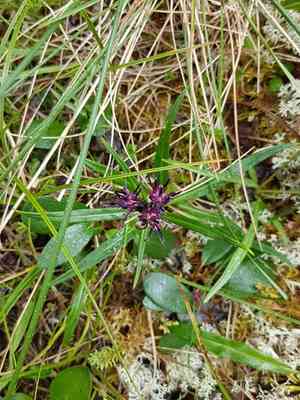
Narrowleaf saw-wort flourishes most effectively when relocated in the peak cultivation periods from late spring through early summer. Select a site receiving full sun or partial shade, featuring soil that drains efficiently, to guarantee superb development. Bear these periods and environmental factors in mind for the most robust outcomes.
What Preparations are Needed Before Transplanting Narrowleaf Saw-wort?
What is the Ideal Time for Transplanting Narrowleaf Saw-wort?
Narrowleaf saw-wort, a perennial, flourishes when moved in mid to late spring or early summer. This period ensures adequate soil warmth for root development, avoiding extreme summer temperatures. Transplanting then promotes quick establishment, enhancing plant vigor and bloom potential for the season.
How Much Space Should You Leave Between Narrowleaf Saw-wort Plants?
Ensure each narrowleaf saw-wort plant is spaced approximately 18-24 inches (45-60 cm) apart. This provides ample room for growth and promotes good air circulation, contributing to plant health.
What is the Best Soil Mix for Narrowleaf Saw-wort Transplanting?
Prepare soil that drains well and is rich in organic material. Deeply loosen the soil and incorporate a balanced base fertilizer, such as 10-10-10 (N-P-K), at the recommended rate to give your narrowleaf saw-wort a strong start.
Where Should You Relocate Your Narrowleaf Saw-wort?
Select a sunny location for relocating your narrowleaf saw-wort. It thrives best in full sun, so aim for a spot that receives at least 6 hours of direct sunlight daily.
What Equipments Should You Prepare Before Transplantation Narrowleaf Saw-wort?
Gardening Gloves
To shield your hands while handling soil and plants.
Shovel or Spade
For digging up the plant and preparing a new planting site.
Trowel
Used for precise digging and adjusting plant positioning.
Watering Can or Hose
For hydrating the plant before and after its relocation.
Wheelbarrow
To move the plant if necessary.
Garden Fork
To loosen the soil surrounding the plant's root system.
Mulch
To help retain moisture and safeguard the plant post-transplant.
How Do You Remove Narrowleaf Saw-wort from the Soil?
How Do You Remove Narrowleaf Saw-wort from the Soil?
From Ground: First, moisten the soil around the narrowleaf saw-wort plant. Then, dig a wide trench around the plant with a shovel or spade, ensuring the root ball remains intact. Carefully work the spade beneath the root ball to lift the plant from its original spot.From Pot: Gently tap the pot's exterior to loosen the soil. Tilt the pot and slide the plant out, supporting the main stem and root ball with your hand. If stuck, use a trowel to loosen soil around the edges.From Seedling Tray: Use a dibber or spoon handle to carefully lift the seedling, ensuring you extract as much of the root system and surrounding soil as possible. Handle the seedling by its leaves to avoid stem damage.
Step-by-Step Guide for Transplanting Narrowleaf Saw-wort
Site Preparation
Prepare the new location by digging a hole large enough to accommodate the narrowleaf saw-wort's root ball. The hole should be approximately twice the width of the root ball and of similar depth.
Soil Preparation
Loosen the soil at the base of the hole and mix in some compost or organic material to aid the plant's establishment in its new environment.
Plant Placement
Position the narrowleaf saw-wort in the center of the hole. Ensure the top of the root ball is level with the surrounding ground.
Backfilling
Refill the hole around the plant with the excavated soil, gently pressing down to remove any air pockets. Confirm the plant remains upright and stable.
Watering
Thoroughly water the plant to help settle the soil around its roots and provide essential moisture.
Mulching
Apply a layer of mulch around the plant's base to conserve moisture and inhibit weed growth. Keep the mulch away from the stem to prevent rot.
How Do You Care For Narrowleaf Saw-wort After Transplanting?
Watering
Keep the soil around the narrowleaf saw-wort consistently damp, but not waterlogged, for the initial weeks post-transplant to encourage strong root development.
Protection
Consider installing a temporary windbreak or providing shade if the plant is in a particularly exposed or sunny spot.
Mulching
Maintain a layer of mulch to help retain soil moisture and suppress weeds.
Monitoring
Regularly inspect the plant for signs of stress, such as wilting or yellowing leaves, and address any issues promptly.
Troubleshooting Common Issues with Narrowleaf Saw-wort Transplantation.
What is the ideal time to transplant narrowleaf saw-wort?
The optimal period for transplanting narrowleaf saw-wort is mid to late spring or early summer.
How should I space narrowleaf saw-wort plants?
Space narrowleaf saw-wort plants 18-24 inches (45-60 cm) apart to allow sufficient room for growth.
What type of soil works best for transplanting narrowleaf saw-wort?
Utilize well-draining soil rich in organic matter for optimal results when transplanting narrowleaf saw-wort.
How deeply should narrowleaf saw-wort be planted?
Plant narrowleaf saw-wort at the same depth it was previously growing to minimize stress.
Should I water narrowleaf saw-wort immediately after transplanting?
Yes, water narrowleaf saw-wort thoroughly right after transplanting to help settle the soil and reduce stress.
Do I need to fertilize narrowleaf saw-wort after transplanting?
It's not immediately necessary; wait a few weeks before applying a balanced fertilizer.
How can I protect narrowleaf saw-wort from transplant shock?
Prevent transplant shock by watering adequately, providing shade, and minimizing root disturbance.
What should I do if narrowleaf saw-wort looks wilted after transplanting?
If narrowleaf saw-wort wilts, ensure it receives sufficient water and is shaded from intense sunlight.
Can I transplant narrowleaf saw-wort on a hot day?
Avoid transplanting narrowleaf saw-wort during hot days; opt for a cooler, overcast day instead.
How soon will narrowleaf saw-wort show new growth after transplanting?
Narrowleaf saw-wort may take several weeks to acclimate and exhibit new growth; be patient.



