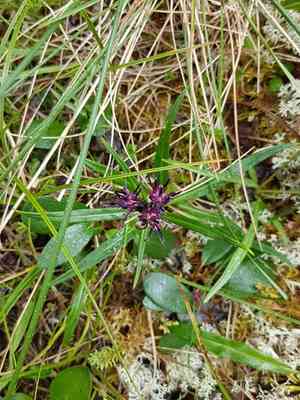
Narrowleaf saw-wort (Saussurea angustifolia)
Also known as: Narrow-Leaved Saussurea, Arctic Saussurea
The narrowleaf saw-wort (Saussurea angustifolia) is a perennial herb known for its small purple flowers that blossom in late summer. This plant flourishes in open, sunlit areas such as grasslands, which provide the necessary light for its growth. Typically, individual plants do not grow taller than 61 cm and often feature multiple flowers on each stem.
In This Article
Attributes of Narrowleaf saw-wort
Lifespan
Perennial
Plant Type
Herb
Plant Height
30 to 60 cm (12 to 24 inches)
Spread
Not applicable
Leaf Color
Green
Flower Size
2 to 3 cm (0.8 to 1.2 inches)
Flower Color
Blue to Purple
Images of Narrowleaf saw-wort
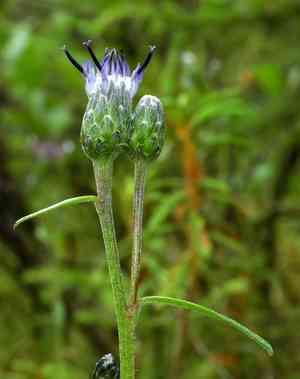
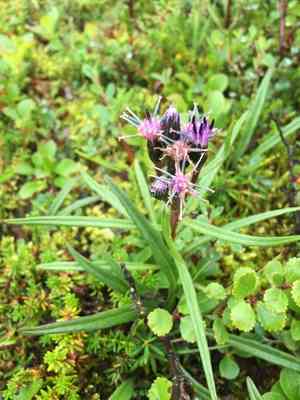
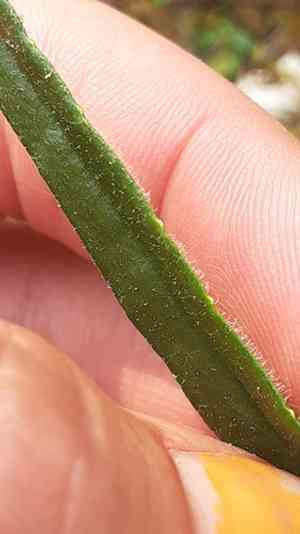
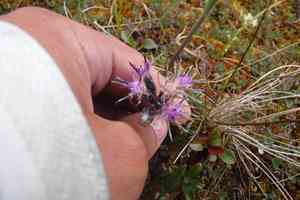
Quickly Identify Narrowleaf saw-wort
1
Look for the narrow, linear leaves and the blue to purple, thistle-like flowers typically seen in high-altitude, alpine regions.
Scientific Classification of Narrowleaf saw-wort
Phylum
Vascular plants
Class
Dicotyledons
Order
Asterales
Family
Daisy
Genus
Saw-worts
Species
Narrowleaf saw-wort
Planting and Growing of Narrowleaf saw-wort
Care Difficulty
Hard
Watering Schedule
Every 2 days
Sunlight Requirements
Partial sun
Sunshine Duration
4-8 hours
Ideal Temperature
50-68℉
Soil Type
Potting Mix, Peat Mix
Soil pH
6.5-7.5
Fertilizer Type
Balanced
Pruning Season
Spring, Summer
Pruning Area
Branches, Leaves
Pruning Frequency
2 times a year
Repotting Season
Spring
Pot Type
Plastic, Ceramic
 How to Water Narrowleaf saw-wort?
Saussurea angustifolia thrives with moderate watering, requiring around 200 ml per session. It's important to ensure the water reaches the root zone without leaving the soil waterlogged. The goal should be to moisten the soil sufficiently while allowing excess water to drain away, mimicking its natural habitat conditions.
What are the symptoms of an underwatered Narrowleaf saw-wort?
›
What should I do if my Narrowleaf saw-wort is not getting enough water?
›
What are the symptoms of an overwatered Narrowleaf saw-wort?
›
How to save an overwatered Narrowleaf saw-wort?
›
 What Are the Sunlight Requirements for Narrowleaf saw-wort?
Partial sunlight is ideal, promoting healthy growth and vibrant foliage. Saussurea angustifolia benefits from a balanced light environment, supporting its unique adaptations and flowering potential.
How much sunlight is necessary?
›
What happens if the plant receives too much sun?
›
How can I optimize sunlight exposure?
›
 What Is the Ideal Temperature Range for Narrowleaf saw-wort?
For Saussurea angustifolia to thrive, maintain a temperature range between 50°F and 68°F. This range supports optimal physiological processes such as photosynthesis and nutrient uptake. By providing a stable environment within these temperatures, you ensure the plant remains healthy and productive.
 What Soil is Best for Narrowleaf saw-wort?
Saussurea angustifolia thrives in well-drained soil that prevents water from stagnating around its roots. This is crucial because excess moisture can lead to root rot, which inhibits nutrient uptake and damages plant health. Well-drained soil ensures optimal growth and vibrant foliage. This plant prefers a soil that offers moderate nutrient levels. An overly rich soil can promote excessive foliage growth at the expense of flowering. By balancing nutrient availability, the plant can sustain both lush leaf development and prolific flowering. Loamy soil with good aeration aids the rhizomes of Saussurea angustifolia in getting ample oxygen. An aerated soil structure enhances root respiration and growth, raising the plant's resilience against disease and environmental stressors.
 How to Fertilize Narrowleaf saw-wort?
For Saussurea angustifolia, the amount of fertilizer should be carefully balanced to avoid overloading the plant's delicate root system. Use a diluted liquid fertilizer at half strength for liquid feedings. When applying slow-release fertilizer, use approximately 50 grams per square meter, ensuring even distribution across the soil.
 How to Prune Narrowleaf saw-wort?
Begin pruning Saussurea angustifolia by removing any dead or damaged leaves and stems. Carefully snip these parts back to their base. This will encourage new, healthy growth. Leave the main stem intact to support the plant's overall structure. Monitor the plant for potential overgrowth or crowding and trim overly dense areas to improve airflow and sunlight penetration. After clearing dead materials, focus on shaping the plant to maintain an attractive, neat appearance. Trim back long or unruly growth to keep the plant within desired dimensions. Saussurea angustifolia benefits from a tidy shape in enhancing its aesthetic appearance and promoting balanced growth patterns throughout the growing season.
More About Pruning Techniques→
 How to Propagate Narrowleaf saw-wort plant?
1
Start by soaking the seeds in lukewarm water overnight to soften the seed coat and accelerate germination. Use a high-quality seed starting mix to improve success rates.
2
Select a healthy, non-flowering stem of about 10-15 cm in length. Cut just below a node and remove the lower leaves to reduce water loss and encourage rooting.
3
Carefully dig up the mature plant and separate the root mass into smaller sections using a sterile knife or pruners. Replant the divisions promptly to minimize stress.
 How to Repot Narrowleaf saw-wort plant?
1
Repotting Saussurea angustifolia should be done when roots start circling the pot's interior, indicating that the plant has outgrown its current container. The best time to repot is during the early growing season, allowing the plant to settle before it enters a period of vigorous growth. Look for signs such as decreased growth, quick drying of soil, or roots emerging from the drainage holes as indicators that repotting is needed.
2
Select a pot that is one or two sizes larger than the current one, providing the roots enough room to grow and ensuring adequate drainage. The pot should have one to several drainage holes at the bottom to prevent waterlogging, which could lead to root rot. A pot with good aeration and drainage helps maintain soil health and promotes strong root development.
3
Using well-draining, loamy soil is essential for Saussurea angustifolia. This type of soil allows for proper water flow and root aeration, preventing soil compaction and reducing the risk of diseases associated with overwatering. A soil mix containing equal parts garden soil, sand, and organic compost provides a balanced environment, supplying both nutrients and excellent drainage.



