How to Transplant Painted tongue?
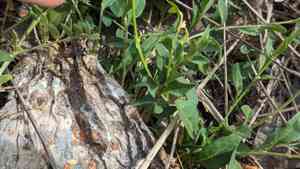
Relocate painted tongue once the chill recedes, within the revitalizing period from early to late spring, to facilitate root development. Select a bright location featuring soil that drains effectively. Careful manipulation is crucial to prevent shock during the transfer.
What Preparations are Needed Before Transplanting Painted Tongue?
What is the Ideal Time for Transplanting Painted Tongue?
Welcome to your guide for giving painted tongue a new home! The optimal period for relocation spans from early spring's awakening through late spring's full bloom. This window leverages moderate temperatures and consistent rainfall, providing painted tongue ideal conditions to establish roots comfortably and adapt to its new environment. Moving painted tongue during this time of revitalization promotes vigorous growth, ensuring your painted tongue thrives with strength and elegance. Embrace this season of renewal to witness the magnificent transformation of painted tongue.
How Much Space Should You Leave Between Painted Tongue Plants?
Hey there, budding gardener! Before you introduce your painted tongue to its new home, let's give it enough elbow room to flourish. Aim for spacing each plant approximately 12-18 inches (30-45 cm) apart. This will provide your painted tongue ample room to grow large and robust!
What is the Best Soil Mix for Painted Tongue Transplanting?
Your painted tongue will thrive in well-drained soil that's rich in organic matter. Prior to transplanting, incorporate some compost or a balanced slow-release fertilizer to give your painted tongue a nourishing start. Prepare the soil so it's as inviting as a warm embrace!
Where Should You Relocate Your Painted Tongue?
When choosing a sunny spot for your painted tongue, consider a location that receives abundant lightâa minimum of 6 hours of direct sunlight daily is perfect. This will ensure your painted tongue gets the illumination it needs to produce vibrant colors and remain content!
What Equipments Should You Prepare Before Transplantation Painted Tongue?
Gardening Gloves
To safeguard your hands while handling soil and plants.
Garden Trowel
For digging and accurately moving the painted tongue.
Garden Spade or Shovel
To excavate larger plants or create wider holes in the ground.
Watering Can or Hose
To hydrate the painted tongue before and after its relocation.
Pruning Shears
For trimming any dead or superfluous parts of the painted tongue prior to transplantation.
Wheelbarrow or Garden Cart
To effortlessly transport the painted tongue and soil.
How Do You Remove Painted Tongue from the Soil?
How Do You Remove Painted Tongue from the Soil?
From Ground: First, water the painted tongue to moisten the soil. This facilitates easier plant removal without root damage. Use a garden spade or shovel to carefully dig around the plant, aiming to keep the root ball intact. Gently lift the plant from the ground with its root ball.From Pot: Water the painted tongue's soil in the pot beforehand. Turn the pot sideways, hold the plant at its base, and tap the pot's bottom to loosen the root ball. Gently extract the plant, supporting the root ball to prevent it from breaking apart.From Seedling Tray: Use a garden trowel or your fingers to carefully loosen the soil around the seedling. Gently lift the seedling by its leaves, not the delicate stem, ensuring a good amount of roots remain attached.
Step-by-Step Guide for Transplanting Painted Tongue
Preparation
Before transplanting the painted tongue, ensure all necessary tools are readily available. Wear gardening gloves to protect your hands.
Removal
Carefully extract the painted tongue from its original spot, being mindful to preserve the root system as much as possible.
Hole Digging
Excavate a hole in the ground where you intend to plant the painted tongue. The hole should be twice as wide and equally deep as the root ball.
Placement
Position the painted tongue into the hole, gently spreading out its roots. The plant's base should be level with the ground's surface.
Refilling
Gently backfill the hole with soil, lightly tamping it down around the plant's base to eliminate air pockets.
Watering
Thoroughly water the painted tongue after planting to help settle the soil and hydrate its roots.
How Do You Care For Painted Tongue After Transplanting?
Mulching
Apply a layer of mulch around the base of the painted tongue to help retain soil moisture and regulate temperature.
Staking
If the painted tongue is tall or top-heavy, provide support with stakes or cages to keep it upright while its roots establish.
Monitoring
Observe for signs of stress such as wilting or discolored leaves, and address any issues promptly to give the painted tongue the best chance of thriving.
Continued Watering
Water the painted tongue as needed, keeping the soil moist to encourage root growth without overwatering.
Troubleshooting Common Issues with Painted Tongue Transplantation.
Why is my painted tongue wilting after transplanting?
Wilting post-transplant may be due to shock. Ensure consistent soil moisture without waterlogging, provide shade from intense sun, and avoid disturbing roots during the process.
What's the best time of year to transplant painted tongue?
Transplant painted tongue when spring turns milder, ideally in the embrace of early to late spring, for robust growth.
Can I transplant painted tongue during the hot summer months?
It's best to avoid hot summer for transplanting painted tongue, as intense heat can cause unnecessary stress.
How much space does painted tongue need when transplanting?
Afford painted tongue room to flourish by spacing plants 12-18 inches (30-45 cm) apart.
What soil conditions does painted tongue need when transplanting?
Aim for well-draining soil enriched with organic matter for the happy establishment of painted tongue.
How deep should I plant painted tongue when transplanting?
Plant painted tongue at the same depth it was in its previous container to avoid stem rot or drying out.
Is it necessary to trim painted tongue before transplanting?
Trimming isn't essential, but removing damaged parts promotes healthier growth post-transplant.
How often should I water painted tongue after transplanting?
Water generously just after transplanting, then regularly to maintain soil moisture without causing sogginess.
Should I fertilize painted tongue immediately after transplanting?
Wait a few weeks before fertilizing to let painted tongue settle, then use a balanced, slow-release fertilizer.
How do I protect newly transplanted painted tongue from pests?
Keep an eye out for pests, use appropriate barriers or organic pesticides, and ensure good air circulation around painted tongue.



