Painted tongue (Salpiglossis erecta)
Also known as: Painted Tongue, Velvet Trumpet Flower
The plant you're describing is Oenothera macrocarpa, a perennial herbaceous plant native to rocky slopes and prairies in the south-central United States. Though it often blends in with surrounding prairie vegetation, its long blooming period and distinctive star-shaped white flowers make it stand out.
In This Article
Attributes of Painted tongue
Lifespan
Perennial
Plant Type
Herb
Plant Height
61 cm to 91 cm
Spread
1 to 2 feet
Leaf Color
Green
Flower Size
2 to 3 inches
Flower Color
Yellow Purple Red Orange
Images of Painted tongue
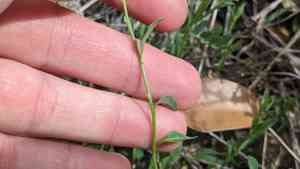
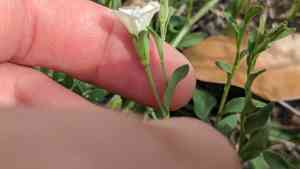
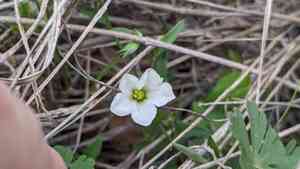
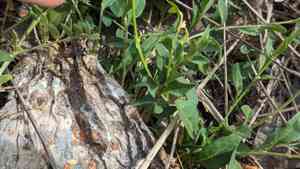
Quickly Identify Painted tongue
1
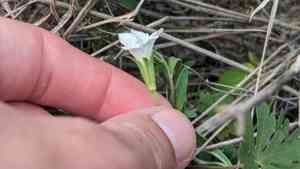
Identify Salpiglossis erecta by its 2 to 3-inch wide, trumpet-shaped flowers with velvety petals that can come in a range of colors including purple, red, yellow, and blue. The flowers often have contrasting veining that adds to their visual appeal.
Scientific Classification of Painted tongue
Phylum
Vascular plants
Class
Dicotyledons
Order
Solanales
Family
Nightshade
Genus
Painted tongue
Species
Painted tongue
Planting and Growing of Painted tongue
Care Difficulty
Easy
Watering Schedule
Every 4 days
Sunlight Requirements
Full sun
Sunshine Duration
4-6 hours
Ideal Temperature
60-75℉
Soil Type
Potting Mix, Peat Mix
Soil pH
6.5-7.5
Fertilizer Type
Balanced
Pruning Season
Spring, Summer
Pruning Area
Branches, Leaves
Pruning Frequency
Once a year
Repotting Season
Spring
Pot Type
Ceramic, Plastic
 How to Water Painted tongue?
For Salpiglossis erecta, water deeply until the top 5 cm of soil is moistened. Allow excess water to drain out. Avoid letting the plant sit in excess water, as this can lead to root rot. The rule of thumb is to water until it starts to overflow in the drainage tray, ensuring moist but not waterlogged soil.
What are the symptoms of an underwatered Painted tongue?
›
What should I do if my Painted tongue is not getting enough water?
›
What are the symptoms of an overwatered Painted tongue?
›
How to save an overwatered Painted tongue?
›
 What Are the Sunlight Requirements for Painted tongue?
Salpiglossis erecta benefits from full sun to partial sun conditions. Adequate light ensures vibrant bloom colors, strong stems, and healthier foliage, enhancing overall plant vitality.
More About Sunlight Requirements Techniques→
What are the ideal lighting conditions for Salpiglossis erecta?
›
How can I achieve the ideal lighting conditions for Salpiglossis erecta?
›
What benefits does Salpiglossis erecta gain from ideal lighting?
›
 What Is the Ideal Temperature Range for Painted tongue?
For optimal growth, Salpiglossis erecta thrives in a temperature range of 60°F to 75°F. Maintaining this temperature range ensures the plant receives the right conditions for healthy growth and vibrant blooms.
 What Soil is Best for Painted tongue?
Salpiglossis erecta thrives in well-drained soils that prevent waterlogging. This helps to ensure the roots receive adequate oxygen and prevents root rot which could suffocate the plant. A nutrient-rich soil promotes healthy growth and vibrant blooms. Ample organic matter can fortify the soil with essentials, fostering robust plant health and resilience. The soil should retain moderate moisture levels without being too wet. This balance aids in sustaining the plant without overwhelming the roots, promoting steady growth.
 How to Fertilize Painted tongue?
For Salpiglossis erecta, a balanced approach to fertilization is essential. When using liquid fertilizers, apply approximately half the recommended strength listed on the fertilizer packaging. This is generally around 1 teaspoon per gallon of water. For slow-release fertilizers, a granular application of about one tablespoon per square foot is adequate.
 How to Prune Painted tongue?
Start by sterilizing your pruners to avoid disease spread. Begin with removing any dead, damaged, or diseased stems. Trim back spent flowers to encourage new blooms. Aim to maintain the shape and size you desire while keeping the plant healthy. Cut just above a leaf node, which spurs new growth efficiently. After trimming, provide adequate water to help the plant recover quickly. Use a balanced fertilizer to supply necessary nutrients, supporting robust regrowth. Keep an eye on new growth patterns, as further fine-tuning any new branches will help maintain a tidy and floriferous appearance.
More About Pruning Techniques→
 How to Propagate Painted tongue plant?
1
Fill seed trays or pots with a fine seed-starting mix. Sow the seeds on the surface and lightly cover them with a thin layer of soil. Keep the soil moist and place the containers in a warm, bright spot.
2
Select a healthy, non-flowering stem and make a clean cut below a node. Remove the lower leaves and dip the cut end in rooting hormone powder to enhance root development.
3
Place the cuttings in a pot with a well-draining mix. Provide indirect sunlight and maintain moist conditions. Rooting should occur within a few weeks.
 How to Repot Painted tongue plant?
1
You should consider repotting Salpiglossis erecta when you see roots emerging from the drainage holes or when the plant's growth appears stunted. A good time to repot is during the growing seasons of spring or early summer, offering the plant ample opportunity to establish in its new environment.
2
Select a pot that is one size larger than the current container, ensuring it has adequate drainage holes. This allows excess water to escape, preventing root rot, and provides the plant with the right space to grow without overwhelming its root system.
3
Opt for a well-draining potting mix that retains some moisture yet allows excess water to flow freely. This type of soil is ideal as it provides aeration to the roots, reduces the risk of water-logging, and supports healthy plant growth.
Learn More About Painted tongue Diseases
Anthracnose
Bacterial Leaf Spot
Bacterial Soft Rot
Bacterial Wilt
Chemical Injury
Damping-off
Downy Mildew
Drought Stress
Fusarium Wilt
Gray Mold
Leaf Spot
Mosaic
Nutrient Deficiency
Nutrient Toxicity
Powdery Mildew
Root Rot
Root-knot Nematode
Rusts
Sooty Mold
Spider Mites
Temperature Stress
Thrips Damage
White Mold



