How to Transplant Common salomonia?
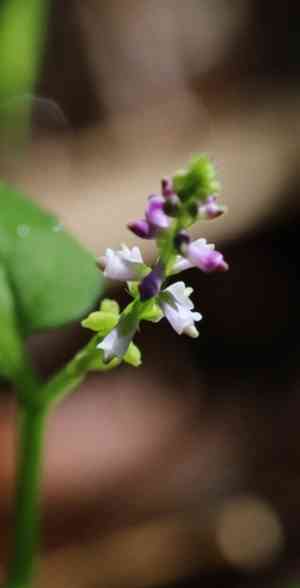
The optimal period for relocating common salomonia is in the mild temperatures of late spring or the refreshing coolness of mid-autumn, facilitating root development without strain. Select a location that emulates its natural preference for adequately draining earth and filtered sunlight. A bit of attention yields significant benefits!
Essential Preparations Before Relocating Common Salomonia?
Optimal Period for Moving Common Salomonia?
Relocate common salomonia during the pleasant warmth of late spring or the crisp coolness of mid-autumn. These periods offer mild temperatures, perfectly aligning with common salomonia's growth cycle. By moving them then, you're placing common salomonia into the ground when conditions are neither too hot nor too cold, ensuring a smooth transition with minimal stress. This timing also beautifully complements common salomonia's natural rhythm, setting the stage for robust growth and abundant blooms.
Recommended Spacing Between Common Salomonia Plants?
When preparing a new spot for common salomonia, aim for a comfortable distance of approximately 6-8 inches (15-20 cm) between each plant. This will provide common salomonia ample room to thrive without competing for resources!
Ideal Soil Mixture for Common Salomonia Relocation?
For your common salomonia, envision creating a comfortable bed with soil that drains well. Incorporating a good amount of organic compost as a foundational fertilizer will make them very content. Simply blend it into the top layer, and you'll set the stage for successful establishment!
Optimal Location for Replanting Your Common Salomonia?
Your common salomonia loves to bask in sunlight! Select a sunny area in your garden that receives full sun for most of the day. This sun-drenched location will allow your common salomonia to flourish and display its beauty.
Tools Required Before Transplanting Common Salomonia?
Gardening Gloves
To safeguard your hands while handling soil and plants.
Trowel
For excavating small holes when moving common salomonia.
Spade/Shovel
Used for digging when extracting the plant from its original ground location.
Watering Can or Hose
To hydrate common salomonia before and after its relocation.
Pruning Shears
For trimming any dead or damaged roots or leaves.
Wheelbarrow or Garden Cart
To transport common salomonia from its initial spot to the new planting site.
Soil Amendment
To enhance soil structure and supply necessary nutrients for common salomonia's development.
How to Extract Common Salomonia from the Soil?
How to Extract Common Salomonia from the Soil?
From Ground: First, moisten the common salomonia to soften the earth. Carefully dig a wide circle around the plant with a shovel to prevent root damage. Gently separate common salomonia from the surrounding soil and lift it with a substantial amount of soil clinging to its roots.From Pot: Thoroughly water common salomonia. Turn the container on its side and tap it to loosen the soil. Grasp the base of common salomonia and carefully pull it out, preserving as much of the root ball as possible.From Seedling Tray: Dampen the soil to facilitate removal. Use a trowel or your fingers to carefully extract the common salomonia seedlings, supporting the root ball to avoid harm.
Step-by-Step Guide for Relocating Common Salomonia
Preparation
Check the weather forecast to avoid moving during harsh conditions. Gather all tools and prepare the new planting site by loosening the soil.
Extraction
Follow the specific 'removal procedure' for common salomonia, based on its initial location, minimizing root disturbance.
Planting Hole
Dig a hole slightly larger than common salomonia's root ball to allow its roots ample space.
Positioning
Lower common salomonia into the hole. Ensure it is planted at the same depth as its original location. Adjust the soil level if needed.
Backfilling Soil
Gently fill the hole with soil, lightly tamping around common salomonia to eliminate air pockets. Avoid piling soil too high around the stem.
Hydration
Water common salomonia thoroughly to settle the soil around the roots and remove any remaining air gaps.
Post-Transplant Care for Common Salomonia?
Consistent Watering
Ensure regular irrigation to help common salomonia establish itself in its new spot, adjusting based on rainfall and temperature.
Mulching
Apply a layer of mulch around common salomonia's base to retain moisture and stabilize soil temperature.
Protection
Safeguard common salomonia from pests and extreme weather. Provide stakes or supports if necessary.
Observation
Monitor common salomonia for signs of stress and growth. If leaves wilt or change color, adjust care accordingly.
Addressing Common Issues During Common Salomonia Transplantation.
When is the best time to move common salomonia?
Optimal times are late spring to early summer or mid to late fall, offering moderate temperatures for root establishment.
What spacing should I use for common salomonia when relocating?
Space them 6 to 8 inches (15-20 cm) apart to ensure sufficient room for growth.
Why is my common salomonia drooping after being moved?
Drooping might be due to shock. Keep the soil moist and provide shade for a few days to aid recovery.
What soil conditions are best for common salomonia after relocation?
Utilize well-draining, fertile soil. Amend with organic matter if necessary for optimal development.
How frequently should I water common salomonia after transplanting?
Water consistently to keep the soil uniformly moist, especially during the initial weeks post-transplant.
Should I fertilize common salomonia immediately after transplanting?
Wait 4-6 weeks after transplanting before applying a balanced fertilizer to prevent root burn.
What if common salomonia's leaves turn yellow after being moved?
Yellowing leaves may indicate over-watering or poor drainage. Adjust irrigation and confirm the soil isn't waterlogged.
How can I prevent root damage during common salomonia's relocation?
Handle with care, keeping the root ball intact. Dig a sufficiently wide hole and gently position the plant.
Is it advisable to move common salomonia during high temperatures?
It's best to avoid periods of high heat. If necessary, transplant during the cooler parts of the day.
Is pruning common salomonia necessary when transplanting?
Pruning isn't essential, but removing damaged or dead foliage can direct energy towards root establishment.



