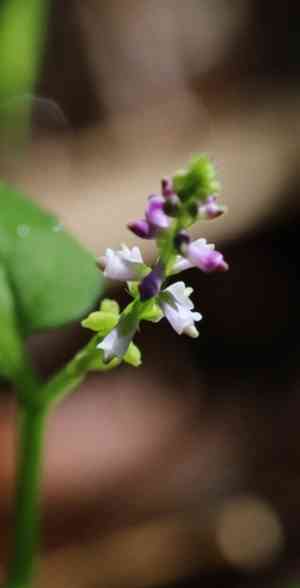
Common salomonia (Salomonia cantoniensis)
Also known as: Salomonia, Canton Salomonia
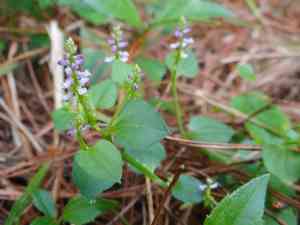
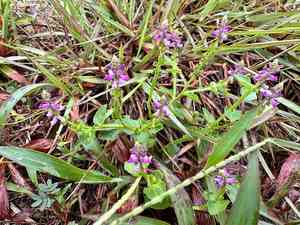
Common salomonia is a small, annual herb known for its delicate appearance and flower spikes that bloom in shades of purple and white. It typically thrives in mid-altitude forests, fields on hills, and mountain slopes within humid tropical regions. The size of mature plants can vary significantly based on their environmental conditions.
In This Article
Attributes of Common salomonia
Lifespan
Annual
Plant Type
Herb
Plant Height
5 cm to 25 cm
Spread
1 mm to 2 mm
Leaf Color
Green
Flower Size
2 mm to 3 mm
Flower Color
Purple White
Images of Common salomonia
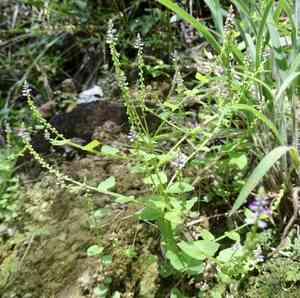
Quickly Identify Common salomonia
1
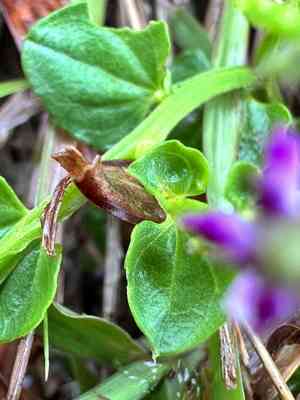
Identify Salomonia cantoniensis by its linear leaves, which are often crowded near the base of the stem, and its pale purple to pinkish flowers arranged in spikes. The plant typically grows upright and can reach about 30-70 cm in height.
Scientific Classification of Common salomonia
Phylum
Vascular plants
Class
Dicotyledons
Order
Fabales
Family
Milkwort
Genus
Salomonia
Species
Common salomonia
Planting and Growing of Common salomonia
Care Difficulty
Easy
Watering Schedule
Every 4 days
Sunlight Requirements
Partial sun
Sunshine Duration
4-6 hours
Ideal Temperature
68-77℉
Soil Type
Potting Mix, Peat Mix
Soil pH
6.5-7.5
Fertilizer Type
Balanced
Pruning Season
Spring, Summer
Pruning Area
Branches, Leaves
Pruning Frequency
2 times a year
Repotting Season
Spring
Pot Type
Plastic, Ceramic
 How to Water Common salomonia?
Salomonia cantoniensis requires a watering amount that ensures moisture reaches the root zone without waterlogging. Typically, 500ml per session is ideal, allowing the soil to be consistently moist yet well-drained. The key is to avoid standing water, ensuring the plant roots have access to both moisture and air.
What are the symptoms of an underwatered Common salomonia?
›
What should I do if my Common salomonia is not getting enough water?
›
What are the symptoms of an overwatered Common salomonia?
›
How to save an overwatered Common salomonia?
›
 What Are the Sunlight Requirements for Common salomonia?
Partial sun for 4-6 hours is best, ideally receiving morning sunlight. This promotes consistent growth, with less risk of leaf burn or dehydration, enhancing its natural vigor and beauty.
More About Sunlight Requirements Techniques→
How much light does Salomonia cantoniensis need daily?
›
What are the solutions for obtaining ideal light conditions?
›
What are the benefits of providing the ideal lighting conditions?
›
 What Is the Ideal Temperature Range for Common salomonia?
For optimal growth, Salomonia cantoniensis thrives in temperatures ranging from 68°F to 77°F. This range ensures that the plant maintains its physiological balance, promoting healthy growth and flowering. Exposure to these temperatures facilitates metabolic processes within the plant, making nutrient uptake more efficient.
 What Soil is Best for Common salomonia?
Salomonia cantoniensis thrives best in nutrient-rich soils. These provide essential minerals for vigorous growth and overall vitality. A loamy texture ensures good nutrient retention and availability, crucial for the plant's health. The plant demands well-draining soil to prevent waterlogging, which can cause root rot. Sandy loam offers excellent drainage, ensuring that your Salomonia stays healthy by providing adequate aeration to the roots. While drainage is important, Salomonia cantoniensis also requires soil with moisture retention capabilities. Loamy soils balance these needs perfectly, maintaining necessary moisture levels without over-saturation.
 How to Fertilize Common salomonia?
For Salomonia cantoniensis, start with a light application of liquid fertilizer mixed at half the recommended strength. One tablespoon per gallon is generally effective. For solid fertilizers, a small scoop, typically around 10 grams, is sufficient, ensuring it is evenly distributed around the base. This moderate approach helps prevent nutrient burn and suits its growth requirements.
 How to Prune Common salomonia?
When pruning, avoid cutting more than one-third of the plant at a time. Excessive pruning can stress the plant and hinder its growth. Instead, aim for moderate pruning, which will help stimulate new growth without overwhelming the plant. Pruning in dry, mild weather conditions is usually best. Wet or excessively hot conditions can stress the plant and make it susceptible to injuries and diseases. Always check the weather forecast before scheduling your pruning session.
More About Pruning Techniques→
 How to Propagate Common salomonia plant?
1
Select healthy seeds for sowing. Ensure they are dry and free from any mold or pests. Store them at optimal conditions and plant them at the right depth in seed trays filled with a good-quality potting mix.
2
Choose a healthy parent plant to take cuttings from. Using clean pruning shears, cut a section of the stem with at least a couple of leaf nodes. Remove any excess leaves and dip the cut end in rooting hormone.
3
Insert the treated cuttings into a container filled with a well-draining propagation mix. Firm the soil around them gently to remove air pockets and water thoroughly.
 How to Repot Common salomonia plant?
1
Salomonia cantoniensis typically needs repotting when its roots outgrow the current pot, especially if you notice roots protruding out of the drainage holes or circling the pot's interior. Spring or summer is ideal due to active growth. Look for soil that dries out too fast or water that drains slowly, as these are signs that the current container is no longer suitable. Regular observation helps you catch these signals early.
2
Select a pot that is 1-2 inches larger in diameter than the current one, allowing room for root expansion. This prevents overcrowding and promotes healthy growth. Ensure the new pot has adequate drainage holes to avoid waterlogged roots. A pot without efficient drainage can lead to root rot, which is often fatal. Materials like terracotta are excellent since they enhance breathability and prevent excess moisture retention.
3
Opt for a well-draining soil mix rich in organic matter. This promotes aeration and prevents compaction, providing a healthy root environment. A mix containing peat moss, perlite, and bark gives a balanced combination of moisture retention and drainage. Good soil supports optimal nutrient uptake, reduces the risk of overwatering, and encourages robust plant health.
Learn More About Common salomonia Diseases
Anthracnose
Bacterial Leaf Spot
Bacterial Soft Rot
Bacterial Wilt
Black Spot
Chemical Injury
Crown Gall
Cyst Nematode
Damping-off
Downy Mildew
Drought Stress
Fusarium Wilt
Gray Mold
Leaf Curl
Leaf Spot
Mosaic
Nutrient Deficiency
Nutrient Toxicity
Powdery Mildew
Root Rot
Root-knot Nematode
Rusts
Sooty Mold
Spider Mites
Temperature Stress
Thrips Damage
White Mold



