How to Transplant Grassleaf arrowhead?
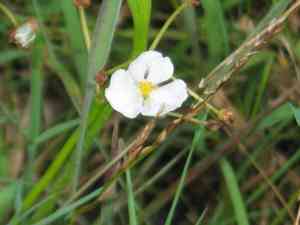
The most favorable period for relocating grassleaf arrowhead is once warmer temperatures arrive following the conclusion of spring, which encourages vigorous development. Select a location offering partial to complete sunlight and damp earth. Careful manipulation throughout the transfer process guarantees the grassleaf arrowhead's thriving.
What Preparations are Needed Before Transplanting Grassleaf Arrowhead?
What is the Ideal Time for Transplanting Grassleaf Arrowhead?
The optimal period for relocating grassleaf arrowhead is from late spring to early summer. This coincides with their active growth phase, promoting a smooth transition and maximum development potential. Choosing this timeframe provides grassleaf arrowhead with milder weather, allowing roots to establish in gentle warmth before the peak of summer heat – a little foresight ensures lush, vigorous growth.
How Much Space Should You Leave Between Grassleaf Arrowhead Plants?
Dear novice gardener, when transplanting your grassleaf arrowhead, remember to provide each plant ample room to thrive. Ideally, they should be spaced approximately 2-3 feet (0.6 - 0.9 meters) apart.
What is the Best Soil Mix for Grassleaf Arrowhead Transplanting?
When preparing a new home for your grassleaf arrowhead, select a rich, loamy soil for optimal growth. Before transplanting, incorporate a base of mulch or compost as a fertilizer. This will supply your grassleaf arrowhead with the necessary nutrients to flourish!
Where Should You Relocate Your Grassleaf Arrowhead?
Your grassleaf arrowhead requires abundant sunlight, so choose a garden spot that receives plenty of light. However, if your area experiences intense sun, opt for a location that gets morning sun and afternoon shade to prevent wilting.
What Equipments Should You Prepare Before Transplantation Grassleaf Arrowhead?
Gardening Gloves
These are crucial for safeguarding your hands from dirt, sharp tools, and potential allergens from the grassleaf arrowhead plant.
A Spade or Trowel
Essential for excavating the plant from its original site and preparing space for it in the new location.
Watering Can
To supply necessary moisture to the plant during the transplanting process.
Shovel
To dig an appropriately sized hole in the new spot for your grassleaf arrowhead plant.
Organic Compost or Planting Soil
This enriches the nutrient content of the soil at the new location, giving the grassleaf arrowhead plant a healthy start.
Plant Pots or Seedling Trays
Depending on the plant's current container, you might need a pot for moving the plant or a tray for initial maintenance.
How Do You Remove Grassleaf Arrowhead from the Soil?
How Do You Remove Grassleaf Arrowhead from the Soil?
From Ground: Begin by watering the grassleaf arrowhead plant to moisten the surrounding soil. Using a spade or trowel, carefully dig a wide trench around the plant, taking care not to harm the root ball. Gently work the spade beneath the root ball, and lift the plant from its original position.From Pot: Start by watering the plant in its pot. Place your hand on the soil surface with your fingers spread around the grassleaf arrowhead plant's stem. Invert the pot and gently tap it to dislodge the plant. It should slide out, keeping the root ball intact.From Seedling Tray: If the grassleaf arrowhead plant is in a seedling tray, water it first. Then pinch the bottom of the individual cell to push the seedling upwards. Be careful to hold it by the leaves and not the stem to avoid causing damage.
Step-by-Step Guide for Transplanting Grassleaf Arrowhead
Preparation
Begin by preparing the new site. Dig a hole approximately twice the size of the grassleaf arrowhead plant's root ball using a shovel. Mix some organic compost or planting soil into the excavated dirt.
Transplanting
Place the grassleaf arrowhead plant into the hole. Backfill it with the soil and compost mixture. Aim to keep the plant at the same depth it was in its previous location.
Watering
After transplanting the grassleaf arrowhead plant, water it thoroughly. This will help settle the soil around the roots and eliminate any air pockets.
Maintenance
For the initial few weeks, closely monitor the grassleaf arrowhead plant. It will require consistent watering until it is well established.
How Do You Care For Grassleaf Arrowhead After Transplanting?
Pruning
After transplanting, remove any damaged or diseased leaves or stems from the grassleaf arrowhead plant. This will help the plant direct its energy towards establishing new roots.
Observation
Regularly inspect the plant for signs of transplant shock, such as wilting or discoloration. If you observe anything unusual, consult a knowledgeable source or professional for guidance.
Weeding
Keep the area around the grassleaf arrowhead plant free of weeds, which could compete with the plant for water and nutrients.
Troubleshooting Common Issues with Grassleaf Arrowhead Transplantation.
What is the ideal time to transplant the grassleaf arrowhead?
The best period to transplant grassleaf arrowhead is during the latter part of the growing season, typically from late summer to early fall.
What is the proper spacing when transplanting grassleaf arrowhead?
To ensure each grassleaf arrowhead reaches its full potential, provide each plant about 2-3 feet (60-90 cm) of space on all sides.
How deep should the hole be when transplanting grassleaf arrowhead?
When transplanting grassleaf arrowhead, make the hole deep enough to accommodate the root system. This is generally about the same depth as the root ball.
How do you ensure successful transplanting of grassleaf arrowhead plants?
You can support the successful transplanting of grassleaf arrowhead by watering generously after planting, and by adding a layer of mulch to preserve moisture.
What to do if my transplanted grassleaf arrowhead is wilting?
Wilting is a common response to stress. Ensure it's receiving adequate water and consider using a plant-friendly fertilizer to provide essential nutrients.
How often should I water my transplanted grassleaf arrowhead?
Water your transplanted grassleaf arrowhead every 2-3 days for the first few weeks; this aids root establishment in the new location.
Can I transplant grassleaf arrowhead in a shaded area?
Grassleaf arrowhead prefers full sun, but it can tolerate partial shade. However, a location with at least six hours of direct sunlight daily is ideal.
What type of soil is best for transplanting grassleaf arrowhead?
Grassleaf arrowhead prefers a slightly acidic to neutral pH and well-draining soil. A soil rich in organic matter is optimal for transplanting this plant.
Can I transplant grassleaf arrowhead near other plants?
Yes, but remember to maintain a distance of 2-3 feet (60-90 cm) as grassleaf arrowhead requires ample room to grow without competing for resources.
How long does it take for grassleaf arrowhead to establish after transplanting?
It typically takes 2-3 weeks for the grassleaf arrowhead to establish in a new location, given proper care such as regular watering and fertilization.



