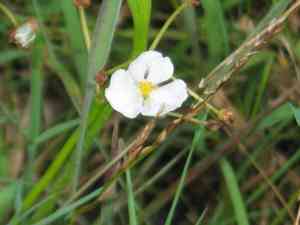
Grassleaf arrowhead (Sagittaria graminea)
Also known as: Grassy arrowhead, Weatherby's arrowhead
The grassleaf arrowhead (*Sagittaria graminea*) is a perennial, flowering plant commonly found in freshwater habitats. Native to the U.S. and Canada, it thrives in marshes, swamps, ponds, and along stream edges. This semiaquatic species prefers shallow waters, muddy areas, or wet sandy soils, and is prevalent in south-central and eastern regions of North America.
In This Article
Attributes of Grassleaf arrowhead
Lifespan
Perennial, Annual
Plant Type
Herb
Plant Height
46 cm to 61 cm
Spread
30 cm
Leaf Color
Green
Flower Size
2.5 cm to 5 cm
Flower Color
White
Images of Grassleaf arrowhead
Quickly Identify Grassleaf arrowhead
1
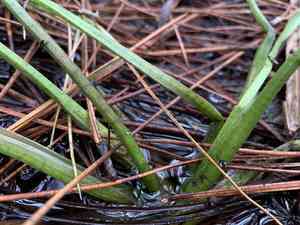
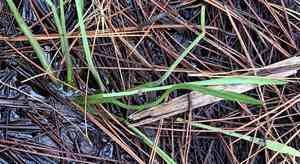
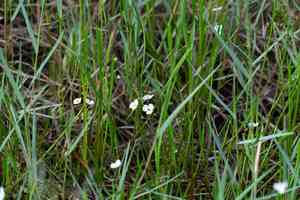
Identifying Sagittaria graminea involves looking for its grass-like leaves that are linear to lanceolate, and its distinctive arrowhead shape found in some leaves. It produces white flowers with three petals.
Scientific Classification of Grassleaf arrowhead
Phylum
Vascular plants
Class
Monocotyledons
Order
Water plantains and allies
Family
Water-plantain
Genus
Arrowheads
Species
Grassleaf arrowhead
Planting and Growing of Grassleaf arrowhead
Care Difficulty
Easy
Watering Schedule
Every 8 days
Sunlight Requirements
Partial sun
Sunshine Duration
6-10 hours
Ideal Temperature
68-77℉
Soil Type
Potting Mix, Peat Mix
Soil pH
6.5-7.5
Fertilizer Type
Balanced
Pruning Season
Spring, Summer
Pruning Area
Branches, Leaves
Pruning Frequency
2 times a year
Repotting Season
Spring
Pot Type
Plastic, Ceramic
 How to Water Grassleaf arrowhead?
Sagittaria graminea thrives in moist environments, making adequate watering crucial. When watering, ensure the soil is evenly drenched but avoid waterlogging. Aiming for about 200 ml helps maintain the necessary soil moisture, simulating their natural habitat near bogs and waterways.
What are the symptoms of an underwatered Grassleaf arrowhead?
›
What should I do if my Grassleaf arrowhead is not getting enough water?
›
What are the symptoms of an overwatered Grassleaf arrowhead?
›
How to save an overwatered Grassleaf arrowhead?
›
 What Are the Sunlight Requirements for Grassleaf arrowhead?
Sagittaria graminea thrives with partial sun, ideally receiving 4-6 hours of light each day. This condition supports robust growth, maintaining vibrant foliage and occasional flowering.
More About Sunlight Requirements Techniques→
What type of light does Sagittaria graminea prefer?
›
How can I ensure it receives ideal lighting?
›
What benefits does ideal lighting bring to Sagittaria graminea?
›
 What Is the Ideal Temperature Range for Grassleaf arrowhead?
The ideal temperature range for growing Sagittaria graminea is between 68°F and 77°F. This range provides optimal conditions for the plant's photosynthesis, respiration, and overall metabolic processes. Maintaining this range ensures the plant's growth stability and promotes healthy foliage and root development.
 What Soil is Best for Grassleaf arrowhead?
Sagittaria graminea thrives in soils that retain moisture well, as it often grows in wet environments. Adequate moisture retention allows the plant to access the water it needs, supporting robust growth and lush foliage. This plant prefers nutrient-rich soils. A soil abundant in organic matter ensures the roots are supplied with essential nutrients, fostering healthy development and preventing nutrient deficiency signs. While this species loves moist soils, proper drainage is crucial to avoid waterlogging. Well-draining soil prevents root rot and ensures the plant flourishes in a balanced water environment.
 How to Fertilize Grassleaf arrowhead?
For Sagittaria graminea, a moderate amount of fertilizer is recommended. When using liquid fertilizers, apply at half the strength indicated on the label to avoid overloading the plant. Solid or slow-release fertilizers should be used sparingly, using no more than the manufacturer recommends for a plant of its size and environmental conditions.
 How to Prune Grassleaf arrowhead?
Begin by identifying any overgrown or excessively dense shoots. Trim these first to open up the plant and improve air circulation. This step is crucial in preventing fungal issues and promoting a healthier growth pattern. Before starting, ensure that all your pruning tools are clean and sharp. This minimizes the risk of transmitting diseases between plants and ensures a clean cut, which is essential for the plant's health and recovery. Inspect your Sagittaria graminea for any dead or yellowing leaves. Snip these off close to the base. Removing these leaves not only tidies up the plant but also redirects energy back into the healthier, more productive parts.
More About Pruning Techniques→
 How to Propagate Grassleaf arrowhead plant?
1
Collect mature seeds from the plant, wash them, and allow them to dry. This will improve germination rates when they are planted. Use high-quality seed starter mix for better results.
2
Sow the seeds shallowly in seedling trays filled with a moist growing medium. Maintain consistent moisture levels and keep the trays in a well-lighted area until germination.
3
Dig up the plant carefully, preserving as many roots as possible. Gently separate the roots and shoots into several divisions and replant them in suitable soil conditions.
 How to Repot Grassleaf arrowhead plant?
1
Consider repotting Sagittaria graminea when you notice roots emerging from the drainage holes, indicating root-bound conditions. Also, if water drains too quickly or there is poor growth, it's a signal that the plant needs more space and fresh nutrients.
2
Selecting the right pot is crucial. Opt for a container that is slightly larger than the current one, with sufficient drainage holes. A larger pot encourages growth and prevents waterlogging, which can harm the roots. Choosing a breathable material like terracotta can also aid in maintaining moisture balance.
3
Sagittaria graminea thrives in rich, loamy soil that retains moisture but drains well. Incorporate organic matter such as peat or compost to improve soil fertility and texture. Good soil structure promotes healthy root development and supports the plant's nutritional needs.
Learn More About Grassleaf arrowhead Diseases
Anthracnose
Bacterial Leaf Spot
Bacterial Soft Rot
Damping-off
Downy Mildew
Drought Stress
Fusarium Wilt
Gray Mold
Leaf Spot
Mosaic
Nutrient Deficiency
Nutrient Toxicity
Powdery Mildew
Root Rot
Root-knot Nematode
Rusts
Sooty Mold
Spider Mites
Temperature Stress
Thrips Damage
White Mold
Chemical Injury



