How to Transplant New orleans dewberry?
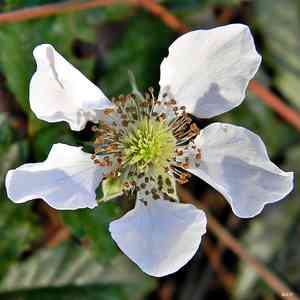
New Orleans dewberry flourishes when relocated between mid-fall and early winter, enabling its root system to settle prior to spring development. Select a bright spot with soil that drains effectively for peak performance. Provide steady hydration, yet prevent saturation.
Essential Preparations Before Relocating New Orleans Dewberry?
Optimal Period for Relocating New Orleans Dewberry?
New orleans dewberry, a perennial plant, is best moved between mid-autumn and early winter. This timing allows the plant to establish its root system while the soil is still warm, minimizing transplant shock. Additionally, cooler weather reduces water stress and the dormant period provides the plant time to acclimate before the vigorous growth of spring.
Recommended Spacing Between New Orleans Dewberry Plants?
When relocating new orleans dewberry, ensure a spacing of 3-4 feet (about 1-1.2 meters) between plants. This provides ample room for each plant to flourish without competing for resources.
Ideal Soil Mixture for New Orleans Dewberry Relocation?
For new orleans dewberry, utilize well-draining soil enriched with organic compost. Incorporating a balanced base fertilizer, such as a 10-10-10 (NPK) blend, will supply the necessary nutrients for robust growth.
Optimal Location for Your New Orleans Dewberry?
Choose a sunny location for relocating new orleans dewberry. This plant thrives in full sunlight, requiring at least six hours of direct sun daily for optimal fruit production.
Equipment Needed Before Relocating New Orleans Dewberry?
Gardening Gloves
To safeguard your hands while handling soil and plants.
Shovel or Spade
For excavating the plant and preparing the new planting site.
Hand Trowel
Useful for smaller, more delicate relocation tasks.
Watering Can or Hose
For hydrating before and after the relocation process.
Pruning Shears
To trim any damaged or excessive roots.
Mulch
Helps maintain soil moisture and regulate temperature.
How to Extract New Orleans Dewberry from the Soil?
How to Extract New Orleans Dewberry from the Soil?
From Ground: First, hydrate the new orleans dewberry plant to moisten the soil. Then, dig a wide trench around the plant using a shovel or spade, ensuring the plant's root ball remains intact. Carefully work the spade beneath the root ball to lift the plant from its original spot.From Pot: Gently tap the sides of the container to loosen the soil. Invert the pot and carefully pull the plant from its base, ensuring the root ball stays intact. If the plant is stuck, use a hand trowel to gently loosen the soil around the edges.From Seedling Tray: Water the seedling tray to soften the soil. Use a hand trowel or your fingers to lift the seedling by its base, ensuring to scoop out the root ball along with it. Handle the seedling gently as the roots are very delicate.
Step-by-Step Guide for Relocating New Orleans Dewberry
Prepare the New Site
Dig a hole that is twice the width and the same depth as the root ball of your new orleans dewberry plant. This provides ample space for root expansion.
Remove the Plant
Carefully extract the new orleans dewberry plant from its original location as detailed in the removal process.
Inspect the Roots
Examine the root ball for any damaged or circling roots. Trim any compromised roots with pruning shears.
Relocate the Plant
Position the new orleans dewberry plant in the center of the new hole. Ensure the top of the root ball is level with the surrounding ground. Backfill the hole with soil, gently pressing down to eliminate air pockets.
Water the Plant
Thoroughly water the relocated new orleans dewberry plant to help settle the soil around its roots.
Mulch the Area
Apply a layer of mulch around the base of the plant to retain moisture.
Post-Relocation Care for New Orleans Dewberry?
Watering
Keep the soil around the new orleans dewberry consistently moist, but not waterlogged, for the initial few weeks after relocation to aid in root establishment.
Monitoring
Observe the plant for any indications of relocation shock, such as wilting or yellowing leaves. Provide additional care as necessary.
Pruning
Avoid extensive pruning immediately after relocation. Allow the plant to establish itself in its new environment first.
Addressing Common Issues with New Orleans Dewberry Relocation.
What's the best time to relocate new orleans dewberry?
The optimal period to relocate new orleans dewberry is from mid-fall to early winter for best results.
How far apart should I space new orleans dewberry plants?
Space new orleans dewberry plants 3-4 feet (0.9-1.2 meters) apart to ensure healthy growth.
How should I prepare the soil for new orleans dewberry?
Enrich soil with compost and ensure it's well-draining to support robust root development.
What should I do if new orleans dewberry looks wilted after relocating?
Water deeply and keep soil consistently moist without waterlogging to help new orleans dewberry recover.
How deep should I plant new orleans dewberry roots?
Plant new orleans dewberry roots about 3 inches (7.6 cm) deep, ensuring the crown is just above soil level.
What type of sunlight does new orleans dewberry need after relocating?
Place new orleans dewberry in a location that receives full sun, at least 6-8 hours daily.
Should I fertilize new orleans dewberry during relocating?
Avoid fertilizing immediately; wait for the plant to establish, then apply a balanced fertilizer.
How do I handle new orleans dewberry roots during relocating?
Handle roots gently and avoid breaking them; trimming damaged roots is acceptable.
What to do if new orleans dewberry shows signs of relocation shock?
Provide consistent moisture, protect from strong winds, and avoid excessive pruning for recovery.
Is mulch necessary around new orleans dewberry after relocating?
Yes, apply a 2-3 inch (5-7.6 cm) thick layer of mulch to retain soil moisture and suppress weeds.



