How to Transplant Santimonia?
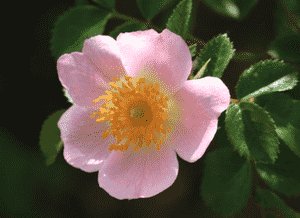
Santimonia flourishes most effectively when relocated from early to mid-spring, enabling its root system to become established prior to the warmth of summer. Select a bright spot with soil that drains efficiently for peak development. Exercise caution to avoid disrupting the roots during this procedure.
What Preparations are Necessary Before Moving Santimonia?
What is the Optimal Period for Relocating Santimonia?
Santimonia, a perennial, flourishes when moved in early to mid-spring. This timeframe guarantees excellent root establishment due to moderate soil temperatures and increased moisture, promoting vigorous development. Transplanting then minimizes shock and allows santimonia to fully adapt before summer's heat.
How Much Distance Should You Maintain Between Santimonia Plants?
When relocating santimonia, position each plant 24-36 inches (60-90 cm) apart to provide ample room for growth and prosperity.
What is the Best Soil Mixture for Santimonia Relocation?
Prepare well-draining, loamy soil rich in organic matter. Incorporate a balanced base fertilizer like 10-10-10 before moving santimonia to supply essential nutrients.
Where Should You Replant Your Santimonia?
Select a sunny spot for relocating santimonia, ideally where it will receive a minimum of 6 hours of direct sunlight daily.
What Tools Should You Prepare Before Relocating Santimonia?
Gardening Gloves
To safeguard your hands while handling soil and the plant.
Shovel/Spade
For excavating the planting hole and extracting the plant from its initial spot.
Watering Can or Hose
To hydrate the plant before and after its relocation.
Garden Fork
Useful for loosening the soil and lifting the plant with minimal root damage.
Trowel
For more precise digging tasks and ensuring the planting hole is the correct size.
Mulch
To aid in retaining soil moisture and regulating temperature after the move.
Stakes and Ties
To offer support for the plant if required.
How Do You Extract Santimonia from the Ground?
How Do You Extract Santimonia from the Ground?
From Ground: First, moisten the santimonia plant's soil. Next, dig a wide trench around the plant using a shovel or spade, ensuring the plant's root ball stays intact. Carefully work the spade beneath the root ball to lift the plant from its original position.From Pot: Hydrate the santimonia plant thoroughly. Gently tap the pot's sides to loosen the soil. Turn the pot sideways, and carefully slide the plant out, supporting the root ball with your hand.From Seedling Tray: Water the santimonia seedlings to dampen the soil. Use a trowel or a small tool to gently lift the seedlings from underneath, taking care not to harm the roots or stems.
Step-by-Step Guide for Relocating Santimonia
Prepare Site
Ensure the chosen location meets the criteria outlined in previous sections and clear any weeds or debris from the area.
Dig Hole
Excavate a hole twice as wide and as deep as the plant's root ball to facilitate easy root expansion.
Water Hole
Fill the hole with water and allow it to drain. This helps to moisten the surrounding soil.
Place Plant
Carefully lower the santimonia into the hole, ensuring it stands upright and is at the same soil level as before. Adjust the depth if needed.
Backfill Soil
Gently refill the hole with soil, pressing lightly around the base of the santimonia to remove air pockets without overly compacting the soil.
Water Plant
Water the santimonia thoroughly to help settle the soil and establish the plant in its new spot.
Add Mulch
Apply a layer of mulch around the base of the santimonia, leaving a small gap around the stem to prevent rot.
Support Plant
If the santimonia requires extra support, use stakes and ties to keep it stable as it becomes established.
How Do You Care For Santimonia After Relocation?
Watering
Keep the soil around the santimonia consistently damp, but not waterlogged, for the initial weeks after moving to aid in developing strong roots.
Monitoring
Regularly inspect the santimonia for signs of distress like wilting or yellowing leaves, and adjust care as necessary.
Fertilization
After a few weeks, you can begin applying a balanced fertilizer to encourage healthy growth and blooming.
Pruning
Remove any damaged or dead leaves and stems to promote new growth and lessen plant stress.
Weeding
Keep the area around the santimonia free of weeds to reduce competition for nutrients and water.
Troubleshooting Common Issues with Santimonia Relocation.
When is the best time to move santimonia?
Early to mid-spring is ideal for relocating santimonia to ensure optimal growth.
How much space should be between each santimonia?
Ensure 24 to 36 inches (60 to 91 cm) of spacing between each santimonia for healthy growth.
How do I prepare the soil for relocating santimonia?
Amend the soil with compost and ensure it's well-draining to support santimonia's roots.
How deep should I plant santimonia?
Plant santimonia at the same depth it was growing previously, ensuring roots are well-covered.
Should I water santimonia immediately after relocating?
Yes, water santimonia thoroughly after relocating to help settle the soil around the roots.
What kind of sunlight does santimonia need after relocating?
Santimonia thrives in full sun, requiring at least 6 hours of direct sunlight daily.
How can I prevent relocation shock in santimonia?
Water regularly, avoid disturbing roots, and relocate in the cooler parts of early to mid-spring.
Do I need to prune santimonia before relocating?
Prune damaged or diseased parts of santimonia but avoid excessive pruning before relocating.
What should I do if santimonia starts wilting after relocating?
Ensure santimonia is adequately watered and check for proper drainage to reduce wilting.
Is it normal for santimonia to look stressed after relocating?
Yes, some stress is normal. Maintain proper care, and santimonia will adjust within weeks.



