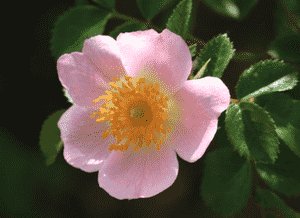
Santimonia (Rosa pouzinii)
Also known as: Pouzou's Rose
Potentilla fruticosa is a species of flowering plant within the Rosaceae family.
In This Article
Attributes of Santimonia
Lifespan
Perennial
Plant Type
Shrub
Plant Height
1 - 2 meters
Spread
1 - 1.5 meters
Leaf Color
Dark green
Flower Size
2 - 4 cm
Flower Color
Pink to red
Images of Santimonia
Quickly Identify Santimonia
1
Identifying Rosa pouzinii involves looking for its pink to red, single-petaled flowers with a pleasant fragrance, and its thorny stems. The leaves are typically pinnately compound with 5-7 leaflets.
Scientific Classification of Santimonia
Phylum
Vascular plants
Class
Dicotyledons
Order
Rosales
Family
Rose
Genus
Roses
Species
Santimonia
Planting and Growing of Santimonia
Care Difficulty
Moderate
Watering Schedule
Every 4 days
Sunlight Requirements
Full sun
Sunshine Duration
4-6 hours
Ideal Temperature
60-75℉
Soil Type
Potting Mix, Peat Mix
Soil pH
6.5-7.5
Fertilizer Type
Balanced
Pruning Season
Spring, Summer
Pruning Area
Branches, Leaves
Pruning Frequency
2 times a year
Repotting Season
Spring
Pot Type
Plastic, Ceramic
 How to Water Santimonia?
Rosa pouzinii plants require careful watering. You should water them until the soil is adequately moist but not waterlogged, ensuring the water reaches the roots without pooling at the top. Stick to the principle of allowing the top inch of soil to dry out between waterings to provide a healthy growing environment.
What are the symptoms of an underwatered Santimonia?
›
What should I do if my Santimonia is not getting enough water?
›
What are the symptoms of an overwatered Santimonia?
›
How to save an overwatered Santimonia?
›
 What Are the Sunlight Requirements for Santimonia?
The ideal light range is full sun to partial sun. This ensures good flowering and robust health, balancing between growth energy and protection from scorching.
What is the best type of sunlight for Rosa pouzinii?
›
How can I ensure Rosa pouzinii receives ideal sunlight?
›
What are the benefits of ideal sunlight for Rosa pouzinii?
›
 What Is the Ideal Temperature Range for Santimonia?
The ideal temperature range for Rosa pouzinii is between 60°F and 75°F. This range is optimal for promoting healthy growth and vibrant blooms. Within these temperatures, the plant can efficiently undergo photosynthesis, promoting stronger stems and lush foliage. Maintaining these conditions helps prevent stress and diseases associated with unfavorable temperatures.
 What Soil is Best for Santimonia?
Rosa pouzinii thrives in nutrient-rich soil that promotes vigorous growth. Ensuring the presence of essential nutrients boosts flowering and maintains the health of the plant. This species prefers well-draining soil to prevent root rot and waterlogging. Proper drainage enhances root aeration and ensures the plant gets adequate oxygen. While Rosa pouzinii benefits from well-draining soil, it also requires moisture retention to maintain consistent hydration without drying out completely.
 How to Fertilize Santimonia?
For Rosa pouzinii, consider using a balanced fertilizer diluted to half strength to avoid over-fertilization. Typically, 1-2 tablespoons per gallon when using liquid types can be effective, providing essential nutrients without overwhelming the plant.
 How to Prune Santimonia?
Start by removing any dead or diseased branches back to healthy wood. Cut at a 45-degree angle above outward-facing buds to encourage new growth to spread out from the center of the plant. Focus on maintaining an open shape that allows good air circulation through the center of the plant. Trim back any branches that cross or rub against each other, and aim to create a balanced, airy form. Prune back some of last year's growth by about one-third to one-half, which encourages the plant to put out a flush of fresh, vigorous stems that will produce new blooms in the coming season.
 How to Propagate Santimonia plant?
1
Choose a healthy, disease-free stem from the Rosa pouzinii plant, ideally a semi-hardwood segment, which means it's not too young or too old. Make a clean cut just beneath a node to optimize rooting potential.
2
For cuttings, prepare a well-draining potting mix with peat and perlite in equal parts. This provides the necessary aeration and moisture retention for the cuttings to establish roots. For seeds, use a seed-starting mix to facilitate germination.
3
Place the seed or cutting in the prepared medium. For seeds, ensure they are covered lightly with soil. For cuttings, ensure the cut end is inserted into the soil, and place them in an area with indirect sunlight while keeping the soil consistently moist.
 How to Repot Santimonia plant?
1
Repot Rosa pouzinii when you notice slow growth or roots growing out of the drainage holes. Spring and autumn are the best times, avoiding extreme weather conditions that could stress the plant further.
2
Select a pot that is 1-2 inches larger in diameter than the current one. Ensure it has adequate drainage holes to prevent waterlogging and offer enough space for root expansion, promoting healthier plant growth.
3
Choose loamy, well-draining soil to ensure healthy root growth and prevent root rot. This type of soil provides good aeration, retaining essential nutrients while allowing excess water to escape easily.



