How to Transplant Lake-cress?
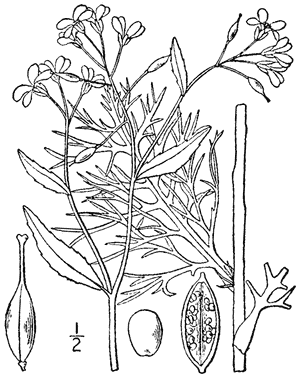
Lake-cress flourishes when relocated between early and late spring, benefiting from ideal growing circumstances. Select a bright or partially shaded spot close to water bodies. Verify that the ground stays damp for a successful transfer.
Essential Preparations Before Relocating Lake-cress
Optimal Period for Lake-cress Relocation?
For successful lake-cress transplantation, aim for the shift from early to late spring. This timeframe guarantees moist soil from spring precipitation and fosters strong root development. Advantages include a robust start to the growing season, reduced transplant stress, and improved light exposure as days lengthen.
Recommended Spacing Between Lake-cress Specimens?
When moving lake-cress, ensure each plant is positioned 12-18 inches (30-45 cm) apart. This provides ample room for expansion and air circulation, minimizing disease risks and promoting vigorous development.
Ideal Soil Blend for Lake-cress Relocation?
Prepare the substrate by ensuring it is loamy and rich in organic matter. A foundational fertilizer like compost or aged manure will supply vital nutrients for lake-cress's development. Aim for a soil pH between 6.0 and 7.5 for peak performance.
Preferred New Location for Your Lake-cress?
Lake-cress flourishes best in full sun to partial shade. Select a spot where it will receive at least 4-6 hours of daily sunlight. If planting in an aquatic garden, ensure it gets sun exposure but some protection from intense midday rays.
Necessary Equipment for Lake-cress Transplantation
Gardening Gloves
To safeguard your hands while handling soil and plants.
Shovel or Spade
For excavating around the plant and preparing both extraction and new planting sites.
Trowel
To assist in loosening soil around the plant and for moving the plant from containers or trays.
Watering Can or Hose
For hydrating the plant before removal and after replanting.
Bucket or Container
To temporarily hold the plant if needed during the transfer process.
Garden Fork
To gently aerate the soil if the plant is in the ground.
Plant Labels
To identify the new placement of the relocated plants.
Mulch
To maintain soil moisture after transplantation.
Method for Extracting Lake-cress from the Soil
Method for Extracting Lake-cress from the Soil?
From Ground: First, hydrate the lake-cress plant to moisten the soil. Then, excavate a wide trench around the plant using a shovel or spade, ensuring the plant's root ball remains intact. Carefully work the spade beneath the root ball to lift the plant from its original spot.From Pot: Begin by gently watering the lake-cress plant to dampen the soil. Grasp the base of the stem and carefully tilt the pot sideways while supporting the plant. Tap the pot gently if necessary to loosen the soil and slide the plant out, keeping the root ball whole.From Seedling Tray: Water the lake-cress plants in the tray to facilitate easier removal. Use a trowel or your fingers to gently lift each seedling. Be careful to support the young roots and retain as much soil around them as possible.
Step-by-Step Guide for Relocating Lake-cress
Prepare New Site
Dig a hole in the new location that is twice as wide and as deep as the lake-cress plant's root ball.
Remove Plant
Follow the appropriate procedure for extracting the lake-cress from its current spot (ground, pot, or seedling tray).
Examine Roots
Inspect the lake-cress roots for any signs of damage. Trim away any dead or compromised roots with clean, sharp shears.
Planting
Position the lake-cress in the center of the hole. Ensure the top of the root ball is level with or slightly above the soil surface. Backfill the hole with soil, gently firming it around the roots.
Watering In
Thoroughly water the lake-cress immediately after planting to help settle the soil around the roots. Ensure moisture penetrates deeply into the soil.
Post-Transplantation Care for Lake-cress
Watering
Keep the soil around the lake-cress consistently moist, but not waterlogged, for the initial weeks after transplanting to aid in strong root establishment.
Mulching
Apply a layer of mulch around the base of the lake-cress to retain moisture and stabilize soil temperature.
Monitoring
Regularly inspect the lake-cress for indications of transplant shock such as wilting or discolored foliage. Address any issues promptly to ensure the plant's vitality.
Support
If needed, provide some form of support like stakes or garden ties to help the lake-cress remain upright and prevent it from toppling over.
Resolving Common Issues with Lake-cress Relocation.
When is the optimal time to move lake-cress?
The best period is from early spring to late spring for maximum transplant success.
What spacing should I maintain between lake-cress plants?
Ensure to plant lake-cress 12-18 inches (30-45 cm) apart for healthy development.
How do I prepare the soil for lake-cress relocation?
Utilize well-draining, nutrient-rich soil and eliminate weeds for optimal lake-cress growth.
What is the most effective method to transplant lake-cress?
Gently uproot and transfer lake-cress with intact roots to prevent harm and encourage adaptation.
How deep should I plant lake-cress?
Plant lake-cress at the same depth they were previously growing to avoid stress.
Should I water lake-cress immediately after transplanting?
Yes, water lake-cress thoroughly right after transplanting to help settle the soil around the roots.
Do lake-cress plants require any special care after transplanting?
Mulch around lake-cress to retain moisture and reduce weed competition for better establishment.
How can I tell if lake-cress has been successfully transplanted?
Vigorous new growth and firm roots indicate a successful lake-cress transplantation.
What environmental conditions are ideal for transplanting lake-cress?
Lake-cress prefers a sunny to partially shaded area with consistent moisture levels for best growth.
How can I minimize transplant shock in lake-cress?
Relocate lake-cress in cool weather, keep roots moist, and avoid disturbing roots excessively.



