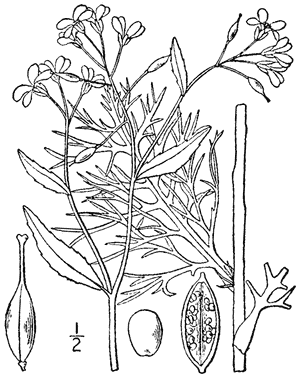
Lake-cress (Rorippa aquatica)
Also known as: Lake water-cress, Lakecress
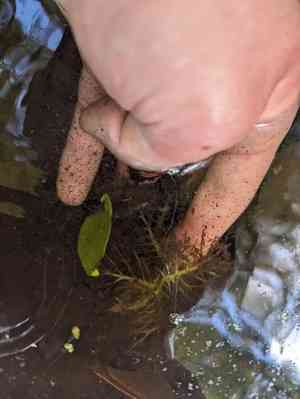
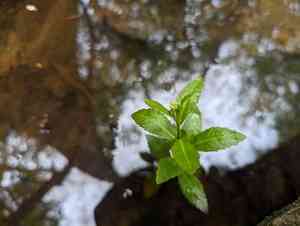
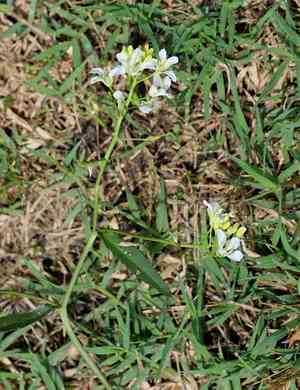
Lake-cress is an aquatic perennial herb that flourishes in freshwater habitats. When submerged, it exhibits finely divided, feathery leaves, which aid in coping with water currents and enhancing nutrient uptake. During its flowering phase, lake-cress transitions to an emergent form, developing thicker and rounder leaves that extend above the water, featuring small yellow flowers designed for pollination.
In This Article
Attributes of Lake-cress
Lifespan
Perennial
Plant Type
Herb
Plant Height
0.2 - 0.5 meters
Spread
Varies with water conditions, can spread extensively
Leaf Color
Green
Flower Size
Approximately 3 - 4 mm
Flower Color
White
Images of Lake-cress
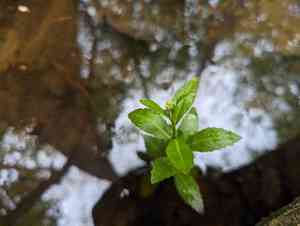
Quickly Identify Lake-cress
1
Recognize Rorippa aquatica by its finely pinnate leaves that are often submerged under water, small yellow flowers that tend to grow in clusters, and a general sprawling habit in aquatic settings.
Scientific Classification of Lake-cress
Phylum
Vascular plants
Class
Dicotyledons
Order
Brassicales
Family
Cruciferae
Genus
Yellowcresses
Species
Lake-cress
Planting and Growing of Lake-cress
Care Difficulty
Easy
Watering Schedule
Every 3 days
Sunlight Requirements
Partial sun
Sunshine Duration
6-10 hours
Ideal Temperature
68-77℉
Soil Type
Potting Mix, Peat Mix
Soil pH
6.5-7.5
Fertilizer Type
Balanced
Pruning Season
Spring, Summer
Pruning Area
Branches, Leaves
Pruning Frequency
Once a year
Repotting Season
Spring
Pot Type
Plastic, Ceramic
 How to Water Lake-cress?
For Rorippa aquatica, the water amount should keep the soil constantly moist but not waterlogged. Each watering session should approximately involve 150 milliliters to ensure the roots receive adequate moisture without oversaturating the soil.
What are the symptoms of an underwatered Lake-cress?
›
What should I do if my Lake-cress is not getting enough water?
›
What are the symptoms of an overwatered Lake-cress?
›
How to save an overwatered Lake-cress?
›
 What Are the Sunlight Requirements for Lake-cress?
Ideal light range is partial sun to full shade, which supports Rorippa aquatica's growth without stressing it. This range allows it to maintain moisture and efficiently photosynthesize for healthier development.
Optimal Sunlight Hours
›
Location for Ideal Light
›
Artificial Light Solutions
›
 What Is the Ideal Temperature Range for Lake-cress?
Rorippa aquatica thrives optimally between 68°F and 77°F. This range ensures adequate metabolic functions and growth rates. Providing such conditions helps in maintaining its natural lifecycle and habitat requirements, which involve shallow waters that are generally warm during growing seasons.
 What Soil is Best for Lake-cress?
Rorippa aquatica thrives in well-drained soil to prevent root rot, ensuring that excess water does not accumulate around the roots. This encourages healthy root development and reduces the risk of fungal diseases. Supplying nutrient-rich soil is essential for optimal growth. A balanced mix of organic matter provides essential nutrients, supporting vigorous leaf and flower growth. The soil should retain a moderate amount of moisture to keep the plant hydrated without becoming waterlogged. This ensures sustained health by maintaining necessary moisture levels, particularly in warmer climates.
 How to Fertilize Lake-cress?
For Rorippa aquatica, it's recommended to use a balanced, water-soluble fertilizer at half the usual strength. Typically, 1 tablespoon per gallon of water works well, ensuring the nutrients are available without overwhelming the plant.
 How to Prune Lake-cress?
Begin by removing any dead or damaged stems using a sharp tool. Examine your Rorippa aquatica carefully and cut back to a healthy part of the stem. This encourages new shoots. Focus on removing stems that disrupt the aesthetic balance or contribute to overcrowding in center areas. This improves air circulation and light penetration, which are vital for the plant's overall health. Trim back any overgrown foliage to maintain a compact shrub-like appearance. Doing so helps conserve the plant's energy and directs it toward essential growth. This is particularly beneficial during the growing seasons.
 How to Propagate Lake-cress plant?
1
Collect seeds from a mature Rorippa aquatica plant and sow them in moist soil in early spring. Be sure to cover them lightly with soil. Maintain consistent moisture, as seeds require it for successful germination.
2
Select healthy stems from the plant and cut 4-6 inches sections. Remove the leaves from the bottom half and dip the cut end in rooting hormone to increase the chances of rooting.
3
Using a sharp spade, divide a mature plant into smaller sections in spring. Ensure each division has roots and shoots, and plant them in prepared soil immediately to reduce transplant shock.
 How to Repot Lake-cress plant?
1
Signs that Rorippa aquatica needs repotting include roots growing out of the drainage holes or the plant becoming root-bound, causing poor growth. Repotting is best done in its growing seasons, spring or summer, to minimize stress and promote healthy development.
2
Select a pot that is about 2 inches larger in diameter than the current one, with drainage holes to prevent waterlogging. The appropriate size ensures there's enough room for root expansion, preventing the plant from becoming root-bound too quickly, and supports healthy growth.
3
Use a moist, well-draining soil mixture rich in organic matter to provide nutrients and proper moisture balance. This type of soil prevents root rot while supplying adequate nutrients, ensuring the plant remains healthy and thrives in its new pot.
Learn More About Lake-cress Diseases
Anthracnose
Bacterial Leaf Spot
Bacterial Soft Rot
Clubroot
Damping-off
Downy Mildew
Drought Stress
Fusarium Wilt
Gray Mold
Leaf Spot
Mosaic
Nutrient Deficiency
Nutrient Toxicity
Powdery Mildew
Root Rot
Root-knot Nematode
Rusts
Sooty Mold
Spider Mites
Temperature Stress
Thrips Damage
White Mold
Chemical Injury



