How to Transplant Red-spike beaksedge?
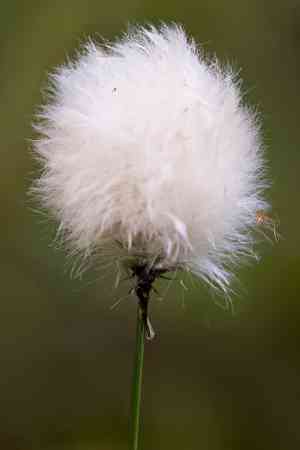
The optimal period for transplanting red-spike beaksedge extends from the initial melting of early spring to the mild temperatures of late spring. Select a location offering sufficient humidity and partial shade to enhance its development. Verify that the ground drains effectively to accommodate this beloved perennial.
What Preparations are Needed Before Transplanting Red-spike Beaksedge?
What is the Ideal Time for Transplanting Red-spike Beaksedge?
The optimal period for moving red-spike beaksedge spans from the end of winter's chill to the warmth of late spring. Relocating red-spike beaksedge during this timeframe capitalizes on vigorous spring growth, promoting strong root development. This season offers ideal soil moisture and moderate temperatures, perfect for red-spike beaksedge to establish in its new spot. This alignment with the plant's natural cycle maximizes transplant success.
How Much Space Should You Leave Between Red-spike Beaksedge Plants?
When preparing a new home for your red-spike beaksedge, ensure ample room for expansion! Position them approximately 8-12 inches (20-30 cm) apart. This spacing allows their root systems sufficient area to spread without becoming overcrowded.
What is the Best Soil Mix for Red-spike Beaksedge Transplanting?
Before introducing red-spike beaksedge to a new location, ensure a comfortable bed of well-draining soil. Incorporating loamy or sandy soil with a touch of organic compost as a foundational fertilizer will be highly beneficial. Consider it providing them with a nourishing meal!
Where Should You Relocate Your Red-spike Beaksedge?
Select a location for your red-spike beaksedge that receives full sun to partial shade. They appreciate some light but not excessive amounts, so a spot with filtered or dappled sunlight for most of the day will keep them content. Envision it as their personal, cozy sunbathing area.
What Equipments Should You Prepare Before Transplantation Red-spike Beaksedge?
Gardening Gloves
To safeguard your hands while handling soil and plants.
Shovel or Spade
For excavating the plant from its original site and digging the new hole.
Wheelbarrow or Garden Cart
To move the red-spike beaksedge if necessary.
Pruning Shears
To trim any damaged or overly long roots prior to transplanting.
Watering Can or Hose
For hydrating the red-spike beaksedge before and after relocation.
Mulch
To aid in retaining soil moisture and regulating ground temperature post-transplant.
Tape Measure
To maintain proper distance between transplanted specimens.
How Do You Remove Red-spike Beaksedge from the Soil?
How Do You Remove Red-spike Beaksedge from the Soil?
From Ground: First, moisten the red-spike beaksedge plant's soil. Then, dig a wide trench around the plant with a shovel or spade, keeping the root ball intact. Carefully work the spade beneath the root ball to lift the plant.From Pot: Water the potted red-spike beaksedge thoroughly to facilitate root and soil removal. Turn the pot sideways, tap its base, and gently extract the plant while supporting the stem's base. If stuck, run a knife along the pot's inner edge to loosen the soil.From Seedling Tray: Water seedlings for easier removal. Use a spoon or a specialized tool to carefully lift each red-spike beaksedge from its cell by pushing from below. Support the root ball to prevent disintegration.
Step-by-Step Guide for Transplanting Red-spike Beaksedge
Digging the Hole
At the new site for the red-spike beaksedge, use a shovel to excavate a hole twice as wide and as deep as the root ball. This extra width will facilitate easier root spread.
Preparing the Root Ball
Gently separate any circling roots to encourage outward growth. If roots are excessively long or damaged, trim them slightly with pruning shears.
Placing the Plant
Carefully position the red-spike beaksedge in the center of the new hole. The top of the root ball should be level with the ground surface. Adjust by adding or removing soil underneath as needed.
Backfilling the Hole
Begin refilling the hole by returning the excavated soil around the root ball. Gently compact the soil as you fill to eliminate any large air pockets.
Watering
Once the red-spike beaksedge is firmly in place and the hole is filled, water the area thoroughly to help settle the soil and remove any remaining air pockets. Water should penetrate deeply.
Adding Mulch
Apply a layer of mulch around the base of the red-spike beaksedge, ensuring it's a few inches away from the stem. This will help conserve moisture and regulate soil temperature.
How Do You Care For Red-spike Beaksedge After Transplanting?
Monitoring Growth
Observe the red-spike beaksedge's development and check for any indications of stress. Prompt identification of issues can help manage them before they worsen.
Staking (if necessary)
If the red-spike beaksedge appears unstable, use a stake for support until it develops a robust root system. Be careful not to harm the root ball.
Troubleshooting Common Issues with Red-spike Beaksedge Transplantation.
What's the best time of year to transplant red-spike beaksedge?
Transplant red-spike beaksedge between early and late spring, once the soil is ready for cultivation.
How far apart should I space red-spike beaksedge when transplanting?
Allow red-spike beaksedge ample room to thrive by spacing them 8-12 inches (20-30 cm) apart.
Why are my transplanted red-spike beaksedge wilting?
Wilting may indicate shock. Ensure the soil remains moist and avoid direct full sun initially.
How deep should the hole be for transplanting red-spike beaksedge?
The hole should match the root ball's depth, positioning the red-spike beaksedge's crown at ground level.
Can I transplant red-spike beaksedge on a hot, sunny day?
It's best to transplant red-spike beaksedge on an overcast day or in the evening to minimize transplant shock.
What soil type is best for transplanting red-spike beaksedge?
Utilize well-draining soil rich in organic matter for optimal red-spike beaksedge growth.
How much should I water red-spike beaksedge after transplanting?
Water thoroughly after transplanting to settle the soil around the roots, then regularly to maintain moisture.
Should I fertilize red-spike beaksedge right after transplanting?
Wait several weeks before fertilizing to allow red-spike beaksedge time to acclimate to its new surroundings.
What are the signs of overwatering transplanted red-spike beaksedge?
Soggy soil, yellowing foliage, and root rot are clear indicators. Allow the soil to dry slightly between waterings.
Why isn't my red-spike beaksedge growing after transplantation?
Be patient; initial slow growth in red-spike beaksedge is normal as they establish roots in their new spot.



