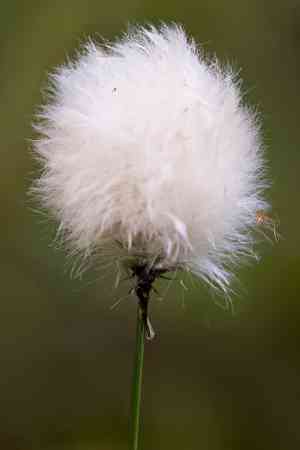
Red-spike beaksedge (Rhynchospora rubra)
Also known as: Red Beaks, Red-stemmed Rhynchospora
The red-spike beaksedge is a notable perennial sedge known for its vibrant red-brown spikelets. It prospers in wetland environments, where its slender, upright stems and narrow leaves extend upwards, indicating a preference for sunny, open spaces. The plant's unique red-brown spikelets and tufted inflorescences make it easy to identify and add visual interest to its natural habitat.
In This Article
Attributes of Red-spike beaksedge
Lifespan
Perennial
Plant Type
Grass
Plant Height
30 cm to 65 cm
Spread
N/A (tufted growth)
Leaf Color
Green
Flower Size
1.5 cm to 1.7 cm
Flower Color
Yellow Green Brown
Images of Red-spike beaksedge
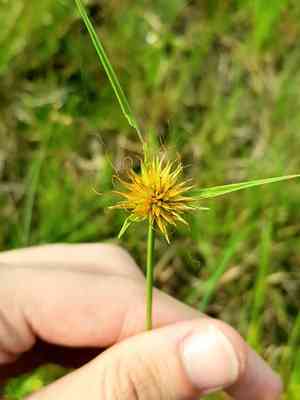
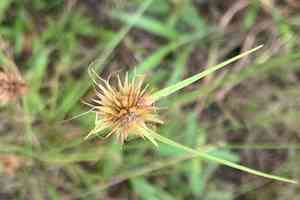
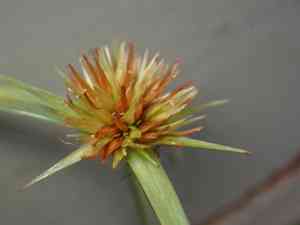
Quickly Identify Red-spike beaksedge
1
Look for its unique red stems and tufted growth form. The plant might be found in wetland habitats and distinguishes itself with its fine grass-like leaves.
Scientific Classification of Red-spike beaksedge
Phylum
Vascular plants
Class
Monocotyledons
Order
Poales
Family
Sedge
Genus
Beak-rushes
Species
Red-spike beaksedge
Planting and Growing of Red-spike beaksedge
Care Difficulty
Moderate
Watering Schedule
Every 3 days
Sunlight Requirements
Partial sun
Sunshine Duration
4-8 hours
Ideal Temperature
65-75℉
Soil Type
Potting Mix, Peat Mix
Soil pH
4.5-6.5
Fertilizer Type
Balanced
Pruning Season
Spring, Summer
Pruning Area
Branches, Leaves
Pruning Frequency
2 times a year
Repotting Season
Spring
Pot Type
Plastic, Ceramic
 How to Water Red-spike beaksedge?
For Rhynchospora rubra, it's essential to keep the soil consistently moist but not waterlogged. The plant thrives with about 200 milliliters of water per session. Always ensure the top 2-3 centimeters of soil feels slightly moist to the touch; this is a good indicator that the plant is not drying out and receiving adequate hydration.
What are the symptoms of an underwatered Red-spike beaksedge?
›
What should I do if my Red-spike beaksedge is not getting enough water?
›
What are the symptoms of an overwatered Red-spike beaksedge?
›
How to save an overwatered Red-spike beaksedge?
›
 What Are the Sunlight Requirements for Red-spike beaksedge?
Partial sun to full sun is ideal. Adequate light ensures strong growth, vibrant leaf coloration, and robust flowering patterns, enhancing both the plant's appearance and health.
What type of lighting does Rhynchospora rubra prefer?
›
How can you achieve these lighting conditions?
›
What benefits do ideal lighting conditions provide to Rhynchospora rubra?
›
 What Is the Ideal Temperature Range for Red-spike beaksedge?
The ideal temperature range for Rhynchospora rubra is between 65°F and 75°F. This range provides an optimal environment that facilitates healthy growth and development by ensuring proper metabolic activity and minimizing stress.
 What Soil is Best for Red-spike beaksedge?
Rhynchospora rubra thrives in well-drained soil, preventing root rot and promoting healthy growth. Ensuring proper drainage is crucial to prevent waterlogging, which can be detrimental. This plant requires consistently moist soil, yet cannot tolerate being submerged in water. Maintaining moisture balance is key to its vibrant growth. Adding organic matter such as compost can improve soil fertility, aiding in the healthy development of Rhynchospora rubra.
 How to Fertilize Red-spike beaksedge?
For Rhynchospora rubra, it's crucial to use a balanced fertilizer to prevent nutrient imbalances. A liquid fertilizer should be diluted to half-strength before application, ensuring that you do not overwhelm the delicate root system. Generally, around 100 ml of diluted solution per application is ideal.
 How to Prune Red-spike beaksedge?
Begin your pruning by removing any dead or damaged stems. Use a pair of sharp scissors or pruning shears to cut these unwanted parts at the base, just above the healthy part of the plant. This will encourage new growth and help the plant allocate its energy more efficiently. Once dead and damaged areas have been removed, focus on shaping Rhynchospora rubra to your desired form. Gently trim the outer edges, ensuring an even appearance. This helps maintain the plant's shape and avoids it becoming too wild. To promote thicker foliage, selectively trim some of the healthy stems. This strategic trimming encourages the plant to produce more lateral branches, which will result in a fuller, denser appearance. Avoid removing more than one-third of the plant at a time to prevent stress.
 How to Propagate Red-spike beaksedge plant?
1
Fill seed trays with a high-quality seed-starting mix. Gently firm down the soil to provide a stable environment for the seeds. This ensures good seed-to-soil contact, which is crucial for germination.
2
Select healthy, disease-free stems and cut them into lengths of about 4-6 inches. Remove the lower leaves to prevent rotting and enhance root initiation when inserted into the growing medium.
3
Use a sharp knife to carefully separate clusters of Rhynchospora rubra. Each division should have sufficient roots and stems. This method allows for vigorous new growth in separate sections.
 How to Repot Red-spike beaksedge plant?
1
You should consider repotting your Rhynchospora rubra when you notice the roots starting to protrude from the drainage holes or when the plant's growth appears stunted despite optimal care. Typically, it's best to repot in spring or early summer when the plant is actively growing.
2
Select a pot that is one size larger than the current one with sufficient drainage holes to prevent waterlogging, as proper drainage helps avoid root rot. The material of the pot should be sturdy enough to support the growing plant while matching your aesthetic preferences.
3
Use a moist, acidic sandy soil that closely mimics the plant's natural habitat. This soil mix should be well-draining yet able to retain enough moisture to support the plant's growth, enhancing root development and overall health.



