How to Transplant Mangrovevine?
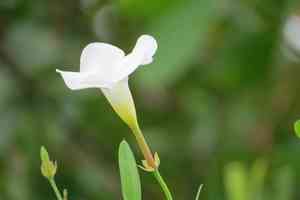
Mangrovevine thrives when relocated from the beginning to the end of spring, as environmental factors are most favorable then. Select a bright, adequately drained spot close to aquatic environments. Verify that the substrate is damp yet not oversaturated to lessen the stress of transplantation.
What Preparations are Necessary Before Relocating Mangrovevine?
What is the Optimal Period for Relocating Mangrovevine?
The best time for moving mangrovevine is from the beginning to the end of spring. This period benefits from warmer soil and increased sunlight, creating perfect growing conditions. Transplanting at this time ensures strong root development and vigorous growth, setting up a healthy perennial life. Early spring conditions also lessen transplant shock.
How Much Distance Should You Maintain Between Mangrovevine Plants?
When relocating mangrovevine, ensure each plant is positioned 3-4 feet (0.9-1.2 meters) apart. This will provide ample room for growth and expansion without becoming overcrowded.
What is the Best Soil Mixture for Mangrovevine Relocation?
Prepare soil that drains well before moving mangrovevine. A blend of sandy soil and organic material is ideal. Incorporating a base fertilizer rich in phosphorus will support robust root growth.
Where Should You Replant Your Mangrovevine?
Select a spot for mangrovevine that receives ample sunlight, ideally full sun to partial shade. This plant thrives with at least 6-8 hours of light daily.
What Tools Should You Prepare Before Relocating Mangrovevine?
Gardening Gloves
To safeguard your hands while handling soil and the plant.
Shovel or Spade
For excavating around the plant and the new planting location.
Watering Can or Hose
To hydrate the plant prior to and following relocation.
Garden Trowel
For precise digging around smaller plants or young sprouts.
Pruning Shears
To trim any damaged roots or foliage.
Wheelbarrow
To safely move the plant from its initial spot to the new area.
Organic Compost
To enrich the new planting site with nutrients.
How Do You Extract Mangrovevine from the Soil?
How Do You Extract Mangrovevine from the Soil?
From Ground: First, moisten the mangrovevine plant to dampen the soil. Then, dig a wide trench around the plant using a shovel or spade, ensuring the plant's root ball remains intact. Carefully work the spade beneath the root ball to lift the plant from its original position.From Pot: Gently water the mangrovevine plant before removal to help the soil stay cohesive. Carefully tilt the pot on its side and slide the plant out, supporting the root ball. If the plant is root-bound, gently loosen the roots with your hands or a garden trowel.From Seedling Tray: Water the seedlings to keep the soil intact. Use a garden trowel or spoon to carefully lift the mangrovevine seedlings from the tray. Take care to retain as much of the root system and surrounding soil as possible.
Step-by-Step Guide for Relocating Mangrovevine
Site Preparation
Prepare the new planting location by digging a hole twice as wide and equally deep as the root ball of your mangrovevine plant. Mix some organic compost into the soil to enrich it.
Plant Removal
Follow the specific removal procedure for the mangrovevine plant from its original spot, ensuring the root ball stays intact.
Planting
Place the mangrovevine plant into the prepared hole. Ensure the top of the root ball is level with the surrounding soil. Backfill the hole with the enriched soil, pressing down gently to eliminate air pockets.
Watering
Thoroughly water the mangrovevine plant after relocation to help the soil settle around the roots.
Mulching
Apply a layer of organic mulch around the base of the mangrovevine plant, but avoid touching the stem, to retain moisture and regulate soil temperature.
How Do You Care For Mangrovevine After Relocation?
Watering
Keep the soil around the mangrovevine consistently moist, but not waterlogged, for the initial weeks after relocation to aid in establishing strong roots.
Monitoring
Regularly inspect the mangrovevine plant for any indications of stress such as wilting or yellowing leaves. If symptoms appear, adjust watering or check for pests.
Supporting
Provide support stakes if the mangrovevine plant appears unstable after relocation. This is particularly crucial in windy areas.
Pruning
Trim away any dead or damaged leaves or branches to help the mangrovevine plant direct its energy towards new growth.
Troubleshooting Common Issues with Mangrovevine Relocation.
When is the best time to relocate mangrovevine?
Early spring to late spring offers the ideal conditions for moving mangrovevine.
How much space should I leave between each mangrovevine?
Leave 3-4 feet (0.9-1.2 meters) of space between each mangrovevine for optimal growth.
What type of soil is best for mangrovevine?
Mangrovevine thrives in well-draining soil rich in organic matter.
Do I need to amend the soil when relocating mangrovevine?
Mix compost or organic matter into the soil to enhance nutrient content and drainage for mangrovevine.
How deep should I plant mangrovevine during relocation?
Plant mangrovevine at the same depth it was growing initially to avoid shock.
How often should I water mangrovevine after relocating?
Water mangrovevine thoroughly immediately after relocating and keep soil consistently moist, but not waterlogged.
What should I do if the leaves of mangrovevine turn yellow after relocating?
Yellowing leaves may indicate transplant shock; ensure proper watering and avoid over-fertilizing.
Should I prune mangrovevine before or after relocating?
Pruning damaged or excessive growth before relocating helps mangrovevine focus energy on establishing roots.
Is mulching beneficial for relocated mangrovevine?
Applying a mulch layer helps retain moisture and regulate soil temperature for mangrovevine.
How can I minimize transplant shock for mangrovevine?
Relocate on a cloudy day, keep roots moist, and avoid disturbing the root ball to reduce shock.



