How to Transplant Mexican blue oak?
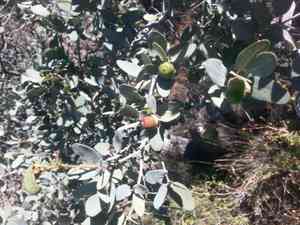
The most favorable period for transplanting mexican blue oak is from the gentle warmth of late spring through the early stages of summer, as this timeframe encourages robust root development. Position it in locations with good drainage and abundant sunlight, making certain there is sufficient room for its impressive growth.
What Preparations are Needed Before Transplanting Mexican Blue Oak?
What is the Ideal Time for Transplanting Mexican Blue Oak?
The optimal period for moving mexican blue oak is when late spring's warmth transitions into the gentle days of early summer. This timing allows mexican blue oak to establish its root system in mild conditions, benefiting from moderate temperatures and consistent moisture. This ensures a smooth adjustment, enhancing its potential for vigorous growth and robust health. By transplanting mexican blue oak during this calm phase, you're setting the stage for successful development, where the plant can adapt easily and thrive with the seasons' nurturing embrace.
How Much Space Should You Leave Between Mexican Blue Oak Plants?
For your mexican blue oak, ensure ample room for development. Aim for a spacing of 20-30 feet (6-9 meters) between each plant. This provides sufficient space for roots to spread and the canopy to expand.
What is the Best Soil Mix for Mexican Blue Oak Transplanting?
Your mexican blue oak will thrive in well-draining soil. Consider enriching your garden soil with organic compost. A balanced, slow-release fertilizer incorporated into the soil can give your mexican blue oak an excellent start.
Where Should You Relocate Your Mexican Blue Oak?
Select a location where your mexican blue oak will receive full sunlight for optimal growth. This means at least 6 hours of direct sun daily. A south-facing spot is typically best if you are in the Northern Hemisphere.
What Equipments Should You Prepare Before Transplantation Mexican Blue Oak?
Shovel or Spade
For excavating around and beneath the plant's root ball.
Garden Fork
To loosen the soil during the plant's removal.
Wheelbarrow or Garden Cart
To transport the removed plant to its new site.
Watering Can or Hose
For hydrating the plant before and after relocation.
Pruning Shears
For trimming any damaged roots or branches prior to transplanting.
Mulch
To help maintain soil moisture and regulate soil temperature after transplant.
Garden Trowel
For minor digging and adjusting the plant in its new position.
Bypass Pruners
For cleanly cutting through any thicker roots if necessary.
Gardening Gloves
To protect your hands while working with the soil and plant.
Measuring Tape
To determine the appropriate depth and width when preparing the new hole.
How Do You Remove Mexican Blue Oak from the Soil?
How Do You Remove Mexican Blue Oak from the Soil?
From Ground: Hydrate the mexican blue oak plant to moisten the soil. Use the shovel or spade to dig a wide trench around the plant, taking care not to harm the root ball. Employ the garden fork for loosening the soil if it is compacted. Gradually work the shovel beneath the root ball, gently lifting the plant while preserving as many roots as possible.From Pot: Water the mexican blue oak thoroughly to make the soil damp. Tilt the pot sideways and gently tap the bottom and sides to loosen the root ball. Support the plant by its base and carefully ease it out of the pot, trying not to disturb the roots excessively.From Seedling Tray: Water the seedlings so the soil is moist and more pliable. Use a garden trowel or spoon to scoop out each plant, starting at the edge of the tray and moving inwards. Handle the seedling by its leaves, not the stem, to prevent damage.
Step-by-Step Guide for Transplanting Mexican Blue Oak
Hole Preparation
Excavate a hole twice the width of the plant's root ball and of equal depth. This will allow the roots to spread out easily in the new location.
Root Ball Inspection
Gently remove soil from around the root ball to check for damaged or diseased roots. Use pruning shears to trim away any problematic areas.
Plant Positioning
Place the mexican blue oak in the center of the hole, ensuring it's at the same depth it was growing previously. The top of the root ball should be level with the surrounding ground.
Soil Replacement
Backfill the hole around the root ball with the removed soil, gently firming it down without compacting it too much. Avoid burying the plant any deeper than it was previously.
Watering
Thoroughly water around the base of the plant to settle the soil and eliminate air pockets. This also provides essential moisture for the roots.
Mulching
Apply a layer of mulch around the base of the mexican blue oak, being careful not to cover the trunk. This helps to maintain moisture and regulate soil temperature.
Support
Stake the plant if necessary, particularly if it is tall and at risk of bending or being affected by wind. Use soft ties to secure it gently to stakes.
How Do You Care For Mexican Blue Oak After Transplanting?
Watering
Provide the mexican blue oak with consistent watering to ensure the soil is moist, especially in the initial weeks. Be mindful of weather conditions and adjust accordingly.
Pruning
Trim any branches damaged during transplanting to encourage new growth. A light pruning can also help the mexican blue oak to conserve energy as it establishes.
Monitoring
Regularly check the mexican blue oak for signs of stress, such as wilting, yellowing, or leaf drop, and adjust care as necessary. Be vigilant for pest or disease issues.
Stabilization
Ensure stakes and supports are secure but allow for some natural movement. This will help the mexican blue oak to strengthen and develop a robust root system.
Troubleshooting Common Issues with Mexican Blue Oak Transplantation.
When is the best time to transplant mexican blue oak for optimal growth?
The ideal time to relocate mexican blue oak is when spring transitions into early summer, promoting healthy root development.
How far apart should I space mexican blue oak when transplanting?
Allow a generous space of 20-30 feet (6-9 meters) to provide mexican blue oak sufficient room to thrive.
What soil conditions are ideal for transplanting mexican blue oak?
Choose a well-draining location with fertile soil. Amend the soil with organic matter if needed.
How much should I water mexican blue oak after transplanting?
Provide a deep watering to thoroughly soak the roots immediately after planting, and maintain moist soil for several weeks.
What depth should the hole be for transplanting mexican blue oak?
Dig a hole that's twice as wide as the root ball but no deeper, to prevent settling.
What's the proper technique for removing mexican blue oak from its current spot?
Gently dig around the root perimeter, and carefully lift the root ball to avoid root damage.
Should mexican blue oak be pruned before transplanting?
Yes, light pruning can reduce transplant shock by balancing root loss and foliage.
What signs indicate transplant shock in mexican blue oak?
Symptoms may include wilted leaves, stunted growth, or leaf discoloration. Provide consistent care for recovery.
Can I fertilize mexican blue oak right after transplanting?
Refrain from fertilizing until mexican blue oak establishes itself to prevent root burn and stress.
How to protect newly transplanted mexican blue oak from the elements?
Use a 2-4 inch (5-10 cm) layer of mulch to insulate and retain moisture, avoiding contact with the trunk.



