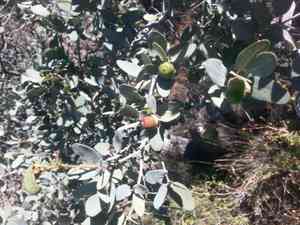
Mexican blue oak (Quercus oblongifolia)
Also known as: Mexican Blue Oak, Sonoran Blue Oak
The Emory oak (Quercus emoryi) is a hardy oak species well-suited to the dry, rocky terrains of the southwestern US and northern Mexico. It features elongated, evergreen leaves that are notably leathery, and it produces acorns that support local wildlife. This oak’s adaptability to arid environments highlights its importance in maintaining ecological balance in regions with limited water resources.
In This Article
Attributes of Mexican blue oak
Lifespan
Perennial
Plant Type
Tree
Plant Height
15-40 feet
Spread
15-35 feet
Leaf Color
Blue-green
Flower Size
N/A
Flower Color
Yellowish-green (inconspicuous)
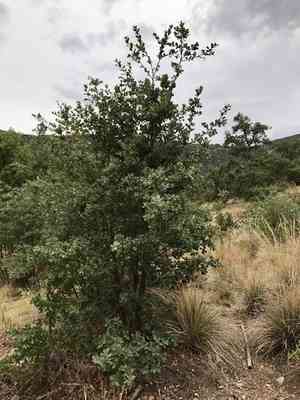
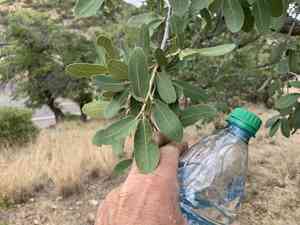
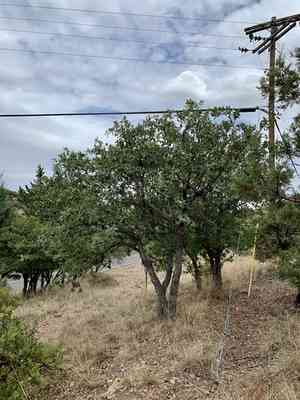
Images of Mexican blue oak
Quickly Identify Mexican blue oak
1
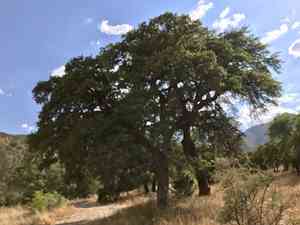
Quercus oblongifolia can be identified by its evergreen leaves that are typically oblong or elliptical and have a blue-green color. The tree has a rounded crown and can grow in various soil types, often in dry, rocky environments.
Scientific Classification of Mexican blue oak
Phylum
Vascular plants
Class
Dicotyledons
Order
Fagales
Family
Beech
Genus
Oaks
Species
Mexican blue oak
Planting and Growing of Mexican blue oak
Care Difficulty
Easy
Watering Schedule
Every 2 days
Sunlight Requirements
Full sun
Sunshine Duration
4-8 hours
Ideal Temperature
60-80℉
Soil Type
Potting Mix, Peat Mix
Soil pH
6.5-7.5
Fertilizer Type
Balanced
Pruning Season
Spring, Summer
Pruning Area
Branches, Leaves
Pruning Frequency
2 times a year
Repotting Season
Spring
Pot Type
Plastic, Ceramic
 How to Water Mexican blue oak?
For Quercus oblongifolia, the general principle for watering is to ensure the soil is evenly moist but never waterlogged. One thorough watering that provides around 1000 milliliters should be enough to reach the root zone without leaving the plant in standing water.
What are the symptoms of an underwatered Mexican blue oak?
›
What should I do if my Mexican blue oak is not getting enough water?
›
What are the symptoms of an overwatered Mexican blue oak?
›
How to save an overwatered Mexican blue oak?
›
 What Are the Sunlight Requirements for Mexican blue oak?
Quercus oblongifolia benefits from full sun exposure for at least 6 to 12 hours daily. Ideal lighting promotes vigorous growth, strengthens branches, and enhances leaf color, supporting its natural characteristics and optimizing environmental adaptation.
What is the ideal lighting for Quercus oblongifolia?
›
How can I provide ideal lighting throughout the year?
›
What benefits arise from ideal lighting conditions?
›
 What Is the Ideal Temperature Range for Mexican blue oak?
For optimal growth, the Quercus oblongifolia thrives best in temperature ranges between 60°F and 80°F. This range provides the necessary warmth for effective photosynthesis and metabolic activities, while avoiding stress caused by temperature extremes. Ensuring temperatures remain within this range promotes robust growth and development of this oak species.
 What Soil is Best for Mexican blue oak?
Quercus oblongifolia thrives in well-drained soils, which prevent waterlogging. This type of soil ensures that the roots have access to both air and moisture, promoting healthy growth and preventing root rot. The plant benefits from soils rich in organic matter, enhancing nutrient availability. The breakdown of organic components supports a robust microbial ecosystem, essential for nutrient cycling and optimal plant health. Quercus oblongifolia prefers soil that retains moderate moisture. Such soils help maintain a consistent water supply, reducing drought stress and ensuring that the plant has sufficient hydration during dry spells.
 How to Fertilize Mexican blue oak?
For Quercus oblongifolia, apply a balanced liquid fertilizer at half the recommended rate as this oak species is sensitive to over-fertilization. Typically, half a teaspoon per gallon of water is adequate for these plants when using liquid fertilizer, ensuring the roots get the essential nutrients without causing damage.
 How to Prune Mexican blue oak?
Begin by identifying dead, diseased, or damaged branches and remove them carefully using clean and sharp pruning shears. Focus on branches that cross or rub against each other, as these can cause wounds and lead to infection. Aim for clean cuts, removing branches just outside the branch collar without leaving stubs. Ensure you are maintaining a balanced structure by stepping back frequently to assess the tree's canopy. To maintain a desirable shape and size, target the vigorous vertical shoots, as these can cause the Quercus oblongifolia to become top-heavy. Trim them back selectively to promote a broad, rounded shape typical of live oaks. Avoid excessive thinning which can cause stress to the tree; instead, prune modestly and evenly.
More About Pruning Techniques→
 How to Propagate Mexican blue oak plant?
1
Collect acorns from mature Quercus oblongifolia trees during late summer. Remove any outer husks and soak the seeds in water for 24 hours to increase the chances of successful germination.
2
Select semi-hardwood cuttings from the current year's growth in early spring. Make sure the cuttings are about 10-15 cm long and are disease-free to ensure successful propagation.
3
Plant the prepared seeds in a seed starting tray filled with moist, well-draining soil. Cuttings should be inserted into a mix of sand and peat, ensuring at least one node is buried to encourage rooting.
 How to Repot Mexican blue oak plant?
1
Quercus oblongifolia, known as the Mexican Blue Oak, should be repotted when you observe roots emerging from the drainage holes or when growth has noticeably slowed, indicating it may be root-bound. Early spring or autumn, when the plant is not in active growing or dormant states, are ideal times to allow it to acclimate before vigorous growth seasons.
2
Select a pot that's 1-2 inches larger in diameter than the current one, ensuring proper drainage is available through multiple holes at the base. This prevents waterlogging and supports robust root health. Consider a terracotta pot for its breathability, which aids in regulating soil moisture levels effectively.
3
Opt for well-draining loamy soil that replicates the oak's natural habitat. This soil mix should maintain moisture without becoming compacted, ensuring adequate aeration. Such a mix helps support the tree's long-term growth, reducing root rot risk while encouraging healthy development of roots and foliage.



