How to Transplant Creeping alkaligrass?
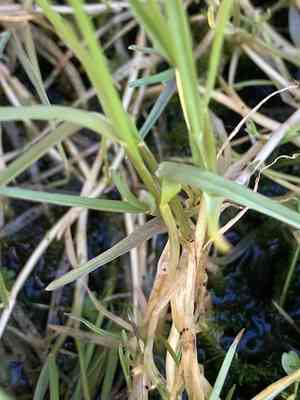
Creeping alkaligrass is best relocated from early to mid-spring, since the moderate temperatures and elevated soil hydration foster robust root establishment. Select a saline-tolerant site featuring sandy, permeable earth to guarantee peak proliferation. Handle with care during transplantation to prevent harm to the roots.
What Preparations are Needed Before Transplanting Creeping Alkaligrass?
What is the Ideal Time for Transplanting Creeping Alkaligrass?
The best time to move creeping alkaligrass, a perennial, is from early to mid-spring. This timing allows the plant to establish roots before summer challenges like heat and dryness. Transplanting during this season maximizes its growth potential and boosts its resilience, leading to a healthier, stronger plant.
How Much Space Should You Leave Between Creeping Alkaligrass Plants?
When transplanting creeping alkaligrass, position each plant approximately 12-18 inches (30-45 cm) apart. This spacing provides ample room for them to expand and flourish without competing for essential resources.
What is the Best Soil Mix for Creeping Alkaligrass Transplanting?
Prepare your soil with a mix that drains effectively. A combination of sand and loam works well. Additionally, enrich the soil with a balanced, all-purpose base fertilizer to give creeping alkaligrass a strong start.
Where Should You Relocate Your Creeping Alkaligrass?
Select a site that receives full sun to partial shade. Creeping alkaligrass thrives with at least 6 hours of daily sunlight to develop robustly and healthily.
What Equipments Should You Prepare Before Transplantation Creeping Alkaligrass?
Gardening Gloves
To safeguard your hands while handling soil and plants.
Shovel or Spade
For digging and extracting the plant from its original spot.
Hand Trowel
Useful for excavating smaller holes and working in tight areas.
Garden Fork
Helps to loosen the soil surrounding the plant.
Watering Can or Hose
For thoroughly hydrating the plant before and after its relocation.
Transplanting Knife
To cut through roots if needed without harming the plant.
Mulch
To aid in moisture retention and protect the plant post-transplant.
How Do You Remove Creeping Alkaligrass from the Soil?
How Do You Remove Creeping Alkaligrass from the Soil?
From Ground: First, moisten the creeping alkaligrass plant to dampen the soil. Next, dig a wide trench around the plant using a shovel or spade, ensuring the plant's root ball remains intact. Carefully work the spade beneath the root ball to lift the plant from its initial location.From Pot: Water the creeping alkaligrass plant thoroughly to facilitate its removal. Gently tilt the pot and tap its sides to loosen the soil. Carefully slide the plant out, holding it by its base rather than the stems to prevent damage.From Seedling Tray: Water the creeping alkaligrass seedling tray to simplify removal. Use a hand trowel or your fingers to gently lift each seedling from the tray, ensuring you delicately support the root ball.
Step-by-Step Guide for Transplanting Creeping Alkaligrass
Site Preparation
Choose a well-prepared, weed-free area with good drainage, as recommended for creeping alkaligrass.
Digging the Hole
Excavate a hole that is twice as wide and the same depth as the creeping alkaligrass plant's root ball to provide ample room for root expansion.
Plant Removal
Follow the removal procedure based on the plant's initial position, as previously detailed.
Placing in New Location
Position the creeping alkaligrass plant in the hole, ensuring the top of the root ball is level with the surrounding ground.
Filling the Hole
Backfill the hole with soil, pressing gently to eliminate air pockets without overly compacting the soil, which can impede root growth.
Watering
Thoroughly water the creeping alkaligrass plant immediately after transplanting to help settle the soil and minimize transplant shock.
Mulching
Apply a layer of mulch around the plant's base to retain moisture and suppress weeds.
How Do You Care For Creeping Alkaligrass After Transplanting?
Watering
Keep the soil around the creeping alkaligrass consistently moist, but not waterlogged, for the initial few weeks post-transplant to aid in developing strong roots.
Monitoring
Regularly inspect the plant for indications of stress or pest issues and address them promptly to ensure successful establishment.
Mulching
Continue to maintain a layer of mulch around the plant to conserve moisture and keep roots cool.
Pruning
If the creeping alkaligrass plant appears weak or leggy, lightly trim the tips to encourage denser growth.
Troubleshooting Common Issues with Creeping Alkaligrass Transplantation.
When is the best time to transplant creeping alkaligrass?
The optimal period to transplant creeping alkaligrass is during early to mid-spring for the best outcomes.
What spacing should I use when transplanting creeping alkaligrass?
Plant creeping alkaligrass 12-18 inches (30-45 cm) apart to ensure sufficient growth and air circulation.
How deep should I plant creeping alkaligrass when transplanting?
Transplant creeping alkaligrass at the same depth it was growing in its previous spot to prevent stress.
How can I avoid transplant shock when moving creeping alkaligrass?
Transplant creeping alkaligrass in early to mid-spring, water thoroughly, and initially provide partial shade to reduce shock.
Do I need to amend the soil when transplanting creeping alkaligrass?
Adding compost to the soil can help creeping alkaligrass establish more quickly in its new location.
What kind of watering schedule should I follow after transplanting creeping alkaligrass?
Water creeping alkaligrass deeply after transplanting, then maintain a regular watering schedule to keep the soil moist.
What should I do if creeping alkaligrass appears wilted after transplanting?
Ensure creeping alkaligrass is adequately watered, and offer some temporary shade to help it recover from wilting.
How can I improve drainage when transplanting creeping alkaligrass?
Incorporate organic material into the soil and plant creeping alkaligrass in a slightly raised position to enhance drainage.
What should I do if pests attack creeping alkaligrass after transplantation?
Inspect creeping alkaligrass regularly and use eco-friendly pest control methods if signs of pests are detected.
How can I support creeping alkaligrass during its initial growth phase post-transplant?
Mulch around creeping alkaligrass to retain moisture and minimize weeds, which helps it focus on growth and root establishment.



