How to Transplant Leathery knotweed?
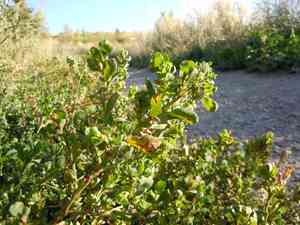
Relocating Persicaria polymorpha is most effectively accomplished in the cool period of early to mid-spring, when ground conditions are ideal. Place them in bright spots with soil that drains efficiently. Steer clear of excessively damp zones to guarantee proper rooting.
What Preparations are Needed Before Transplanting Leathery Knotweed?
What is the Ideal Time for Transplanting Leathery Knotweed?
Leathery knotweed, an annual plant, is best moved in early to mid-spring. This timing ensures the plant benefits from optimal soil moisture and temperatures, which encourage strong root development. Transplanting leathery knotweed at this time reduces stress and maximizes growth potential, leading to a healthier and more robust plant.
How Much Space Should You Leave Between Leathery Knotweed Plants?
For leathery knotweed, ensure you plan for a spacing of 12-18 inches (30-45 cm) between plants. This provides ample room for growth and prevents overcrowding, simplifying maintenance for you.
What is the Best Soil Mix for Leathery Knotweed Transplanting?
Prepare a well-drained soil mix with a pH range of 6.0-7.5 for leathery knotweed. Incorporate a balanced base fertilizer like a 10-10-10 (N-P-K) to promote healthy growth.
Where Should You Relocate Your Leathery Knotweed?
Choose a sunny location for transplanting leathery knotweed, ideally where it receives 6-8 hours of sunlight daily. This ensures the plant gets sufficient light for optimal development.
What Equipments Should You Prepare Before Transplantation Leathery Knotweed?
Gardening Gloves
To protect your hands while working with the soil and plant.
Trowel or Small Shovel
To dig around and lift the plant from its original location.
Spade
For digging the new planting hole in the ground.
Watering Can
To water the plant before and after transplanting.
Bucket
To temporarily hold the plant during transfer.
Garden Fork
To gently loosen the surrounding soil, if necessary.
Mulch
To help retain soil moisture after transplanting.
Stakes and Ties
To support the plant if it needs stabilization in the new location.
How Do You Remove Leathery Knotweed from the Soil?
How Do You Remove Leathery Knotweed from the Soil?
From Ground: First, water the leathery knotweed plant to moisten the soil. Then, dig a wide trench around the plant using a shovel or spade, ensuring the plant's root ball remains intact. Carefully work the spade under the root ball to lift the plant from its original location.From Pot: Gently loosen the soil around the edges of the pot by running a trowel around the inside perimeter. Tilt the pot and carefully slide the leathery knotweed plant out, holding it by the base of the stem. Ensure the root ball stays intact during extraction.From Seedling Tray: Water the seedling tray to make the soil easier to work with. Use a small trowel or a spoon to gently lift the leathery knotweed seedling from the tray, supporting the root ball and stem. Be careful not to damage the fragile roots.
Step-by-Step Guide for Transplanting Leathery Knotweed
Site Preparation
Prepare the new planting site by digging a hole that is twice as wide and just as deep as the root ball of the leathery knotweed.
Plant Removal
Carefully remove the leathery knotweed from its original location, ensuring minimal disturbance to the roots.
Transferring the Plant
Place the leathery knotweed into the prepared hole, ensuring the top of the root ball is level with or slightly above the ground surface.
Backfilling the Hole
Gently fill the hole with soil, lightly pressing down to eliminate any air pockets around the roots.
Watering
Thoroughly water the leathery knotweed immediately after transplanting to help settle the soil around the roots.
Applying Mulch
Apply a layer of mulch around the base of the leathery knotweed to help retain moisture and reduce weed competition.
Supporting the Plant
Use stakes and ties if needed to provide support and ensure the leathery knotweed remains upright and stable in its new location.
How Do You Care For Leathery Knotweed After Transplanting?
Watering
Keep the soil around the leathery knotweed consistently moist, but not soggy, for the first few weeks after transplanting to help establish strong roots.
Mulching
Maintain the mulch layer to conserve moisture and regulate soil temperature, but avoid piling mulch directly against the stem.
Monitoring
Regularly check the leathery knotweed for signs of stress or transplant shock, such as wilting or yellowing leaves, and adjust care as needed.
Pruning
Remove any damaged or dead foliage to encourage the plant's energy to go into root establishment and growth.
Weed Control
Keep the area around the leathery knotweed free of weeds to reduce competition for nutrients and water.
Troubleshooting Common Issues with Leathery Knotweed Transplantation.
When is the best time to transplant leathery knotweed?
The optimal time to transplant leathery knotweed is during early to mid-spring for best results.
How should I prepare the soil before transplanting?
Loosen the soil to a depth of 12 inches (30 cm) and mix in compost for nutrients.
How much space is needed between each leathery knotweed plant?
Space each leathery knotweed plant 12-18 inches (30-45 cm) apart to allow for healthy growth.
What should I do if the roots are tangled?
Gently tease apart tangled roots before planting to encourage proper root spread.
How deep should I plant leathery knotweed?
Plant leathery knotweed at the same depth it was in its original container to avoid stress.
What watering schedule should I follow after transplanting?
Water leathery knotweed thoroughly immediately after transplanting and maintain consistent moisture for the first few weeks.
Do I need to use mulch around leathery knotweed?
Yes, apply a 2-inch (5 cm) layer of mulch to retain moisture and suppress weeds.
Should I fertilize leathery knotweed immediately after transplanting?
Wait a few weeks after transplanting before fertilizing to avoid stressing leathery knotweed.
How can I protect transplanted leathery knotweed from pests?
Use organic methods like neem oil or companion planting to keep pests at bay.
What should I do if leathery knotweed shows signs of transplant shock?
Keep the soil consistently moist and shield leathery knotweed from direct sun until it recovers.



