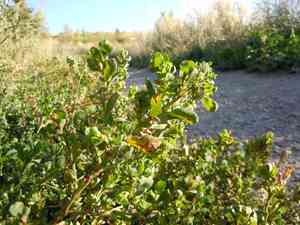
Leathery knotweed (Polygonum achoreum)
Also known as: Blake's knotweed, Striate knotweed
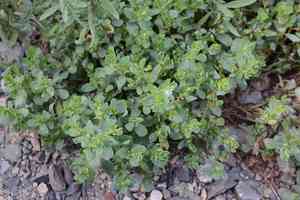
Polygonum achoreum, also known as Leathery Knotweed, can grow up to 70 cm tall. Its flowers are usually yellow-green and arranged in flat-topped clusters.
In This Article
Attributes of Leathery knotweed
Lifespan
Annual
Plant Type
Herb
Plant Height
10 cm to 71 cm
Spread
Up to 50 cm
Leaf Color
Green
Flower Size
1 to 2 mm
Flower Color
Greenish
Images of Leathery knotweed
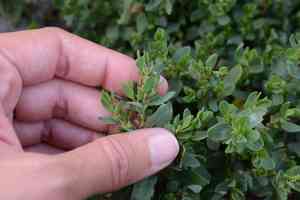
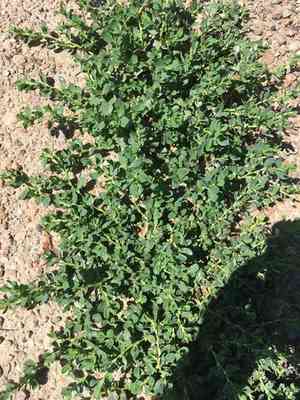
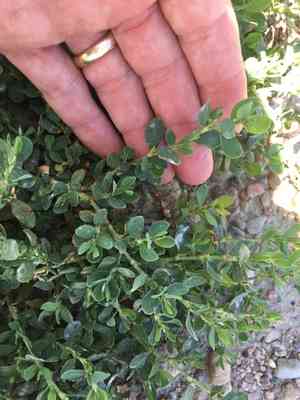
Quickly Identify Leathery knotweed
1
Look for its slender, often red-tinged stems and small, greenish flowers that grow in clusters. Its leaves are lance-shaped and smooth-edged.
Scientific Classification of Leathery knotweed
Phylum
Vascular plants
Class
Dicotyledons
Order
Caryophyllales
Family
Buckwheat
Genus
Knotweeds
Species
Leathery knotweed
Planting and Growing of Leathery knotweed
Care Difficulty
Easy
Watering Schedule
Every 2 days
Sunlight Requirements
Partial sun
Sunshine Duration
4-6 hours
Ideal Temperature
60-75℉
Soil Type
Potting Mix, Peat Mix
Soil pH
6.5-7.5
Fertilizer Type
Balanced
Pruning Season
Spring, Summer
Pruning Area
Branches, Leaves
Pruning Frequency
2 times a year
Repotting Season
Spring
Pot Type
Plastic, Ceramic
 How to Water Leathery knotweed?
For Polygonum achoreum, it's crucial to water until the topsoil is adequately moist but not soggy. The plant doesn’t thrive in waterlogged conditions, so aim to provide around 150 ml each time, ensuring the excess can drain away to prevent root rot.
What are the symptoms of an underwatered Leathery knotweed?
›
What should I do if my Leathery knotweed is not getting enough water?
›
What are the symptoms of an overwatered Leathery knotweed?
›
How to save an overwatered Leathery knotweed?
›
 What Are the Sunlight Requirements for Leathery knotweed?
Partial sun exposure is ideal for Polygonum achoreum, which entails receiving 4 to 6 hours of light daily. Adequate light supports photosynthesis, proper growth, and increases resilience against environmental fluctuations.
What is the optimal light setting?
›
How to achieve ideal lighting indoors?
›
What benefits arise from proper lighting?
›
 What Is the Ideal Temperature Range for Leathery knotweed?
For optimal growth, Polygonum achoreum should be maintained within a temperature range of 60°F to 75°F. This range provides the best conditions for physiological processes such as photosynthesis and cell division, ensuring healthy development.
 What Soil is Best for Leathery knotweed?
Polygonum achoreum thrives in well-drained soils which prevent waterlogging. Well-drained soil ensures that the roots receive adequate oxygen and reduces the risk of root rot, contributing to healthier plant growth. This plant prefers soil with moderate nutrient content to support steady growth. Balanced nutrients in the soil enhance the plant’s vigor and ability to fend off pests and diseases. While the soil should be well-drained, it must also hold adequate moisture to sustain the plant in dry periods. This balance helps maintain consistent growth without stressing the plant due to drought conditions.
 How to Fertilize Leathery knotweed?
For Polygonum achoreum, apply liquid fertilizer sparingly, using a balanced fertilizer at a concentration of 1/4 strength. In each application, use approximately one tablespoon of diluted fertilizer for every gallon of water to prevent over-fertilization.
 How to Prune Leathery knotweed?
Begin by assessing the plant's overall shape. Identify and remove any dead, diseased, or damaged stems first. Follow this by trimming overly long stems to create a balanced silhouette. Ensure cuts are made just above a node to encourage new growth. Prune in the early morning or late afternoon to reduce stress from heat. Make clean cuts on angles to allow moisture runoff, which helps prevent infection. Consider the plant's natural growth pattern when shaping, aiming to maintain its aesthetic while promoting airflow through the plant.
 How to Propagate Leathery knotweed plant?
1
Start by filling seed trays with a well-draining seed-starting mix. Sow the seeds thinly on the surface and cover lightly with more mix. Water gently to keep the soil moist but not soggy.
2
Select healthy, non-flowering stems from the parent plant. Cut a segment about 4-6 inches long using sharp scissors. Remove the lower leaves and dip the cut end in rooting hormone before planting in moist sand or vermiculite.
3
For division propagation, carefully dig up the entire plant and separate the roots into several sections. Each section should have roots and stems. Replant the divisions in a prepared bed or pot, ensuring roots are well-covered.
 How to Repot Leathery knotweed plant?
1
Keep an eye out for roots growing out of the drainage holes or a plant that seems stunted and not thriving despite proper care. These are signs that the roots have run out of space and it's time to upgrade to a larger pot, preferably during its active growth periods in spring or summer.
2
Choose a pot that is 1-2 inches larger in diameter than the current one. Ensure it has adequate drainage holes to prevent waterlogging, which can lead to root rot. A slightly larger pot will give the roots space to grow without drowning them in too much soil, which retains excess moisture.
3
Opt for a well-draining potting mix that encourages aeration. This prevents the compacting of soil around roots and maintains moisture control, crucial for avoiding root rot. Adding a bit of sand or perlite can enhance drainage in heavier soils.



