How to Transplant Supine bluegrass?
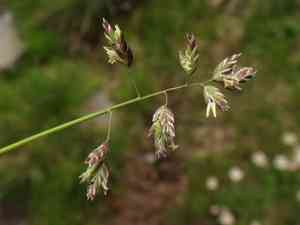
Supine bluegrass flourishes when relocated during the mild temperatures of early to late spring or the chilly inactivity of late autumn to mid-winter. Choose a bright or partly shaded spot with soil that drains effectively for peak development.
What Preparations are Needed Before Transplanting Supine Bluegrass?
What is the Ideal Time for Transplanting Supine Bluegrass?
The best time to move supine bluegrass is from early to late spring, or from late autumn to mid-winter. These periods allow the plant to establish roots in moderate temperatures, encouraging robust growth and reducing transplant shock. Transplanting during these times ensures the plant benefits from cooler, more stable weather, enhancing its overall establishment and resilience.
How Much Space Should You Leave Between Supine Bluegrass Plants?
For proper spacing, it's best to position supine bluegrass approximately 8-12 inches (20-30 cm) apart. This ensures each plant has sufficient room to grow and avoids competition for nutrients and sunlight.
What is the Best Soil Mix for Supine Bluegrass Transplanting?
Prepare well-draining soil enriched with compost or a balanced base fertilizer. Supine bluegrass thrives in slightly acidic to neutral pH soil. Loosen the soil to a depth of about 6 inches (15 cm) before transplanting.
Where Should You Relocate Your Supine Bluegrass?
Supine bluegrass prefers a location with partial to full sunlight. Choose an area that receives at least 4-6 hours of daily sun. This helps the plant establish itself quickly and grow robustly.
What Equipments Should You Prepare Before Transplantation Supine Bluegrass?
Gardening Gloves
To protect your hands while working with the soil and plant.
Shovel or Spade
For digging around the plant and creating the new planting hole.
Garden Trowel
To assist with detailed digging and adjusting soil around the roots.
Pruning Shears
To trim any damaged roots or foliage before transplanting.
Watering Can or Hose
For watering the plant before and after transplanting.
Wheelbarrow
To transport the plant if it is large or being moved a significant distance.
Mulch
To help maintain soil moisture after transplanting.
How Do You Remove Supine Bluegrass from the Soil?
How Do You Remove Supine Bluegrass from the Soil?
From Ground: First, water the supine bluegrass plant to moisten the soil. Then, dig a wide trench around the plant using a shovel or spade, ensuring the plant's root ball remains intact. Carefully work the spade under the root ball to lift the plant from its original location.From Pot: Gently tap the sides of the pot to loosen the soil. Tilt the pot and carefully slide the supine bluegrass plant out, supporting the root ball. If the plant is root-bound, gently tease out the roots to encourage better growth in its new location.From Seedling Tray: Use a garden trowel to gently lift the seedlings from the tray, ensuring to take a clump of soil around the roots. Handle the seedlings by the leaves rather than the stems to avoid damaging them.
Step-by-Step Guide for Transplanting Supine Bluegrass
Site Preparation
Choose a location with appropriate sunlight and space for your supine bluegrass plant to grow to its mature size. Ensure the soil is well-prepared and free from weeds.
Digging Hole
Dig a hole in the new location that is twice as wide and the same depth as the root ball of the supine bluegrass plant. This will give the roots ample space to spread out.
Plant Placement
Place the supine bluegrass plant's root ball into the prepared hole, making sure it sits at the same depth as it was in its original location. The top of the root ball should be level with the surrounding soil.
Backfilling and Firming
Fill in the hole with soil, gently firming it around the root ball to remove air pockets. Ensure the plant is stable and upright.
Watering
Water the supine bluegrass plant thoroughly to help settle the soil around the roots. Make sure the soil is evenly moist but not waterlogged.
Applying Mulch
Apply a 2-3 inch layer of mulch around the base of the supine bluegrass plant to help retain moisture and suppress weeds. Keep the mulch a few inches away from the stem of the plant to prevent rot.
How Do You Care For Supine Bluegrass After Transplanting?
Watering
Keep the soil around the supine bluegrass consistently moist, but not soggy, for the first few weeks after transplanting to help establish strong roots.
Monitoring
Regularly check the supine bluegrass for any signs of stress such as wilting, yellowing leaves, or slow growth. Address any issues promptly to ensure the plant establishes well.
Light Pruning
Remove any damaged or dead foliage to encourage new growth and reduce stress on the supine bluegrass plant.
Fertilizing
After a few weeks, consider applying a balanced, slow-release fertilizer to support healthy growth. Follow the instructions on the fertilizer package.
Troubleshooting Common Issues with Supine Bluegrass Transplantation.
When is the best time to transplant supine bluegrass?
The ideal time is from early spring to late spring, or late fall to mid-winter.
What is the appropriate spacing for supine bluegrass?
Supine bluegrass should be spaced 8-12 inches (20-30 cm) apart for optimal growth.
How deep should the planting hole be for supine bluegrass?
The hole should be as deep as the root ball and twice as wide.
What type of soil is best for transplanting supine bluegrass?
Light, well-draining soil rich in organic matter is ideal for supine bluegrass.
How much water does supine bluegrass need after transplanting?
Water thoroughly after planting and keep the soil consistently moist for several weeks.
Should I fertilize supine bluegrass immediately after transplanting?
Wait a few weeks before applying a balanced, slow-release fertilizer to give the roots time to establish.
What should I do if supine bluegrass shows signs of transplant shock?
Keep the soil moist, provide partial shade, and avoid disturbing the plant further.
How can I improve drainage for supine bluegrass if my soil is clay-heavy?
Incorporate compost or sand to improve soil texture and drainage.
How do I prevent pests and diseases when transplanting supine bluegrass?
Ensure healthy plants, use clean tools, and avoid overcrowding to reduce stress and pest issues.
What to do if supine bluegrass isnât growing after transplanting?
Check soil moisture, ensure proper spacing, and consider soil quality or potential root-bound issues.



