The Supine bluegrass Plant Advantage: Maximizing Home and Office Appeal and Wellness
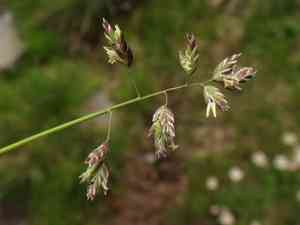
1
Supine bluegrass flourishes in low-light environments, making it ideal for gardens lacking direct sun exposure.
2
Recognized for its durability, Supine bluegrass tolerates significant foot traffic and bounces back rapidly.
3
Supine bluegrass offers a rich, verdant groundcover that maintains its color even in harsh weather conditions.
Why Opt for Supine Bluegrass for Your Lawn?
Flourishes in Shaded Environments
Supine bluegrass is especially suited for spots receiving limited sunlight. Unlike many grass types that struggle in shade, Supine bluegrass adapts beautifully, ensuring a rich green covering all year. Its shade tolerance means you can enjoy a vibrant lawn even beneath dense tree canopies.
Exceptional Durability
A key characteristic of Supine bluegrass is its capacity to endure heavy foot traffic. Whether you have pets, kids, or frequent gatherings, this robust grass can handle it all. Its strong root system aids quick recovery from damage, keeping your lawn immaculate.
Climate Adaptability
Supine bluegrass is renowned for its remarkable ability to stay green through both hot summers and cold winters. This resilience to extreme temperatures guarantees your lawn retains its visual appeal regardless of the season. The grass's adaptability to diverse climatic conditions makes it a dependable choice for homeowners.
What Are the Ecological Advantages of Supine Bluegrass?
Soil Stabilization
The extensive root network of Supine bluegrass plays a vital role in stabilizing soil. This grass helps prevent soil erosion, particularly on inclines and uneven ground. Its roots bind soil particles, reducing runoff and improving soil health over time.
Water Efficiency
Incorporating Supine bluegrass into your garden can aid in water conservation. This species requires less frequent irrigation compared to other grass varieties, making it an environmentally friendly and economical option. Its efficient water use helps maintain a healthy lawn even during dry spells.
Enhanced Biodiversity
A lawn featuring Supine bluegrass can support a wider array of plant and animal life. This grass type offers a habitat for various beneficial insects and microorganisms, contributing to a healthier ecosystem. By selecting Supine bluegrass, you are fostering biodiversity in your garden space.
How to Plant and Maintain Supine Bluegrass?
Planting Recommendations
To achieve optimal results with Supine bluegrass, proper soil preparation is crucial. Ensure the soil is well-drained and enrich it with organic matter before planting. The ideal time for planting Supine bluegrass is during the cooler months of spring and autumn when temperatures are moderate.
Upkeep Guidelines
Maintaining Supine bluegrass is relatively simple. Regular mowing helps keep the grass healthy and encourages denser growth. Additionally, occasional aeration and overseeding can boost the lawn's resilience and aesthetic appeal. Fertilizing with balanced nutrients during the growing season further supports vigorous growth.
What Are the Visual Benefits of Supine Bluegrass?
Vibrant Green Hue
One of the most attractive aspects of Supine bluegrass is its vivid green color, which remains consistent across various seasons. This grass provides a visually pleasing backdrop for your garden landscape, enhancing its overall beauty.
Soft Texture
Supine bluegrass boasts a soft, fine texture that feels pleasant underfoot. This makes it an excellent choice for areas where children and pets frequently play. The grass's fine blades add an elegant touch to your lawn, creating an inviting and comfortable environment.



