How to Transplant Early meadow grass?
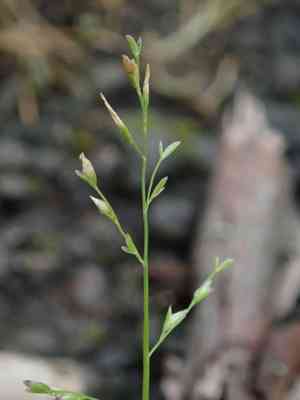
The most favorable period for transplanting early meadow grass is from the mild onset of spring transitioning into summer, or as autumn recedes into winter, allowing roots to settle in temperate conditions. Select locations with good drainage and abundant sunlight, and ensure steady hydration post-transplant for optimal outcomes.
What Preparations are Necessary Before Relocating Early Meadow Grass?
When is the Optimal Period for Moving Early Meadow Grass?
The most favorable time for transplanting early meadow grass spans from the vibrant late spring to the onset of early summer. Alternatively, consider the period when autumn's colors fade into winter's initial chill. Moving plants during these windows encourages strong root development, leveraging moderate temperatures and ample moisture for vigorous health and peak growth.
What Spacing is Recommended Between Early Meadow Grass Plants?
When arranging your early meadow grass, aim for a 2-4 inch (5-10 cm) gap between each specimen. This provides sufficient room for individual growth, yet keeps them close enough to achieve a dense, lush appearance.
Which Soil Mixture is Best for Early Meadow Grass Transplantation?
Your early meadow grass will flourish in soil that drains effectively. Prior to transplanting, incorporate some compost or a balanced slow-release fertilizer to provide your plants with a nourishing start. Gently loosen the soil to aid root establishment.
Where Should You Position Your Early Meadow Grass?
Select a sunny spot for your early meadow grass as they thrive in bright conditions. Ensure the chosen site receives several hours of direct sunlight daily, while also offering some protection from the most intense afternoon sun.
What Tools Should You Gather Before Transplanting Early Meadow Grass?
Gardening Gloves
To safeguard your hands while handling soil and plants.
Trowel or Garden Spade
For digging into the earth and creating a planting hole.
Watering Can or Hose
To hydrate the early meadow grass both before and after its relocation.
Garden Fork
To assist in loosening the soil around the plant in its original spot.
Garden Kneeler or Pad
For comfort when working close to the ground.
Measuring Tape
To ensure correct spacing between multiple transplanted specimens.
Mulch
To apply around the plant's base following transplantation.
Pruning Shears
To trim any damaged roots or foliage prior to transplanting.
How Do You Extract Early Meadow Grass from the Soil?
How Do You Extract Early Meadow Grass from the Soil?
From Ground: Start by watering the early meadow grass to moisten the soil. Use a garden fork to carefully loosen the soil surrounding the plant. Gently insert the spade in a circle around the plant, then angle it beneath to lift the root ball. Raise the plant with care to prevent root damage.From Pot: Water the early meadow grass and allow it to absorb moisture. Tilt the pot sideways and gently tap the edges to release the soil's grip. Support the plant's base with your hand, invert the pot, and carefully slide the plant out, keeping the soil and roots intact.From Seedling Tray: Dampen the soil in the tray to facilitate removal. Use a trowel or your fingers to gently lift the early meadow grass from its cell, supporting the root ball to prevent it from disintegrating.
Step-by-Step Guide for Relocating Early Meadow Grass
Preparation
Grasp the early meadow grass by its base and carefully remove any loose or excess soil from the roots without disrupting the root ball's structure.
Hole Digging
Excavate a hole in the ground that is twice the width and equal to the depth of the early meadow grass's root ball.
Placement
Position the early meadow grass in the center of the excavated hole. The top of the root ball should be flush with the surrounding ground level.
Filling In
Carefully backfill the hole around the root ball with soil. Gently press the soil down to eliminate any air pockets.
Watering
Immediately after planting, thoroughly water the early meadow grass to settle the soil and hydrate its roots.
Mulching
Apply a layer of mulch around the base of the early meadow grass, keeping it clear of the stem to prevent rot.
How Do You Care For Early Meadow Grass After Relocation?
Consistent Watering
Provide the early meadow grass with regular moisture to keep the soil damp as it adjusts to its new environment.
Mulching
Maintain a layer of mulch around the early meadow grass to help retain soil moisture and stabilize temperature.
Observation
Frequently check on the early meadow grass for indications of stress and address any issues promptly.
Protection
Shield the early meadow grass from harsh weather conditions using covers or barriers if necessary.
Light Fertilization
Once the early meadow grass appears settled, apply a mild fertilizer to encourage growth, adhering to specific product instructions.
Addressing Common Issues with Early Meadow Grass Transplantation.
What's the best time to move early meadow grass?
Optimal periods are late spring to early summer and late fall to early winter when temperatures are mild.
How far apart should I place early meadow grass when transplanting?
Space them 2-4 inches (5-10 cm) apart to provide ample room for each plant to develop.
Why is my relocated early meadow grass wilting?
Wilting can signal shock or insufficient water. Ensure consistent moisture and avoid direct sun exposure immediately after transplanting.
Can early meadow grass be moved on a hot day?
It's preferable to transplant early meadow grass on a cooler, overcast day to minimize transplant shock and water stress.
How deep should the planting hole be for early meadow grass?
The hole should be as deep as the root ball, but no deeper, to prevent root suffocation.
How do I prepare the soil for early meadow grass transplantation?
Improve the soil with compost to enhance nutrient content and drainage before relocating early meadow grass.
What should I do if early meadow grass isn't growing after transplant?
Ensure adequate watering and check for root-bound conditions; some plants may require time to establish.
Does early meadow grass need fertilizer after transplanting?
Initially, prioritize proper watering. Once established, a balanced fertilizer can promote healthier growth.
My early meadow grass is yellowing after transplant, what's happening?
Yellowing may stem from overwatering, poor drainage, or a nutrient deficiency. Evaluate and adjust your care routine.
Should I prune early meadow grass when transplanting?
Pruning is generally not required, but removing damaged leaves can help the plant focus on root establishment.



